
The Technical Challenges Behind a Realistic Human Figure 3D Model
April 30, 2026
Bulk 3D Printing for Scalable Production Without Traditional Manufacturing Limits
May 4, 2026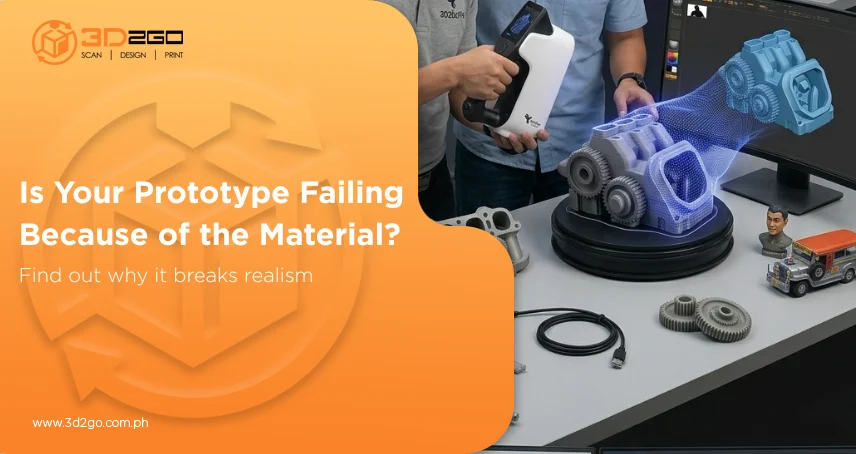
A prototype isn’t always just for display. In many cases, it gets handled, tested, and pushed to the edge to see how it performs under real conditions.
That’s where material selection starts to matter more than most expect.
A durable 3D printing product doesn’t come from design alone; it comes from choosing a material that can actually take a hit, hold its shape, and still function the way it should. This is exactly why abs 3d printing material remains a steady choice for engineers and product teams.
It’s not about being trendy. It’s about being dependable when it counts.
What Makes ABS Stand Out in Practical Use
ABS has been around long before 3D printing entered the picture. It’s used in everyday products, automotive parts, consumer goods, and protective casings, because it balances strength and flexibility so well.
As an ABS 3D printing material, it delivers the same reliability in prototyping.
It doesn’t snap easily under pressure, and it doesn’t feel overly rigid either. That middle ground makes it especially useful when a prototype needs to behave like a real product, not just look like one.
Designed for Testing, Not Just Presentation
There’s a clear difference between a visual model and a functional prototype.
The moment a design needs to be assembled, tested, or handled repeatedly, weaker materials start to show their limits. That’s where abs 3d printing material proves its value.
It can take repeated use, minor impacts, and mechanical stress without falling apart too quickly. That makes it a reliable option for early-stage testing where durability matters.
Instead of failing too soon, it gives teams a more accurate sense of how the final product might perform.
Handling Heat Better Than Most
Temperature resistance is often overlooked until it becomes a problem.
Some materials begin to soften or warp under moderate heat, especially during testing or real-world use. abs 3d printing material holds up better in these situations, making it a safer option for parts exposed to friction or warmer environments.
This also makes post-processing easier. Whether it’s sanding, drilling, or smoothing, ABS can handle additional work without compromising its structure.
Strength That Doesn’t Feel Fragile
One of the biggest advantages of abs 3d printing material is how it behaves under stress.
Some materials are strong but brittle; they crack under impact. Others are flexible but lack structural stability. ABS sits in between, offering enough strength to support function while still absorbing impact without breaking easily.
That balance makes it useful for moving parts, enclosures, and components that need to withstand real conditions.
Finishing That Brings Prototypes Closer to Production
A prototype doesn’t always stay in the testing phase. In many cases, it’s presented to stakeholders or used for demonstration.
This is where abs 3d printing material offers another advantage. It responds well to finishing techniques.
It can be sanded for smoother surfaces, painted for visual appeal, or chemically treated for a more refined look. This flexibility allows prototypes to move beyond rough drafts and approach production-readiness.
Why Durable Materials Are in Higher Demand
As development cycles get shorter, teams need prototypes that can keep up.
According to research, the global 3D printing market continues to grow as more industries rely on rapid prototyping to accelerate product development.
This growing demand naturally increases the need for materials like abs 3d printing material, where durability supports faster and more reliable testing.
Where ABS Fits Best in Real Applications
The versatility of abs 3d printing material makes it a practical option across different use cases.
It’s commonly used for:
- Product housings and protective casings
- Functional mechanical parts
- Automotive prototype components
- Consumer product testing models
- Engineering assemblies
In these scenarios, performance matters just as much as appearance.
What to Watch Out For
While abs 3d printing material is reliable, it does require proper handling.
It’s more sensitive to temperature changes during printing, so warping can occur if conditions aren’t controlled. Proper equipment and setup help reduce this risk.
Ventilation is also important, as ABS can release fumes during printing. These aren’t deal-breakers, but they do require attention for consistent results.
Why It Still Holds Its Place
With newer materials entering the market, it’s easy to assume older ones get replaced quickly. That hasn’t really happened with ABS.
The reason is simple, it works.
abs 3d printing material continues to deliver where it matters: durability, reliability, and practical performance. It may not have the newest features, but it solves real problems in prototyping.
And in most cases, that’s what teams actually need.
Strong Prototypes Start With Smart Material Choices
A prototype is only as good as what it’s made of. Design plays a role, but material determines whether it can actually be tested, refined, and improved.
ABS 3D printing material supports the process by offering the strength and resilience needed for real-world use. It helps bridge the gap between concept and function, allowing teams to move forward with more confidence.
For projects that require durability, not just appearance, choosing the right material makes all the difference.
3D2GoPH provides 3D printing solutions that focus on practical results, helping match the right material to the right application so prototypes don’t just look good, they perform as expected.