
Why 3D Printed Home Decor Is Gaining Ground in Contemporary Interiors
April 20, 2026
Top 10 Benefits of Using 3D Building Modeling Services in Projects
April 22, 2026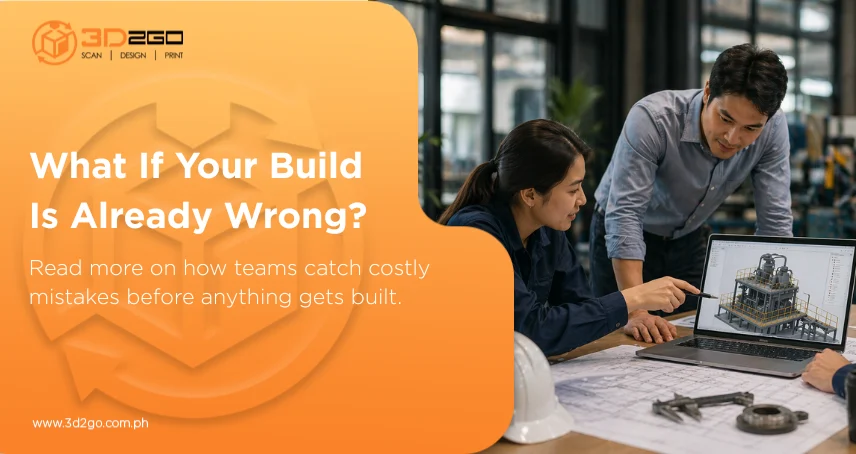
You can have the right plan on paper, but if people can’t fully see how things come together, gaps start to show. Misalignment, overlooked constraints, and last-minute adjustments tend to follow. That’s why more teams are turning to machinery equipment digital models, especially through solutions like , to make planning more concrete from the start.
At the center of this shift is a model of the machinery or equipment, not just as a visual, but as a working reference that helps teams think more clearly before execution begins.
When Plans Look Good but Fall Short
On paper, most plans make sense.
But once you move closer to execution, that’s when details start slipping through. A dimension feels slightly off. A component isn’t aligned the way it should be. Something that looked simple suddenly becomes complicated.
That’s the limitation of relying purely on drawings or written specs.
A model of the machinery or equipment helps close that gap. It gives teams something they can actually see, assess, and question early, before assumptions turn into problems.
Making Complex Systems Easier to Understand
Machinery setups aren’t simple. There are layers of components, interactions, and spatial considerations involved.
Trying to explain all of that through static diagrams often leaves room for interpretation, and that’s where miscommunication happens.
With a model of the machinery or equipment, complexity becomes easier to navigate. You can see how parts connect, how space is used, and how everything functions as a whole. It turns abstract details into something more intuitive.
Planning With Fewer Surprises
Planning tends to break down when unknowns start piling up.
And most of those unknowns come from not being able to fully visualize the setup before it’s built.
A model of the machinery or equipment gives teams a chance to review everything in advance. Layouts can be checked. Clearances can be verified. Potential conflicts can be spotted early.
It’s not about overplanning; it’s about avoiding preventable issues.
Stronger Presentations, Faster Decisions
Even solid ideas can struggle to gain approval if they’re hard to explain.
Stakeholders don’t always think in technical drawings. They respond better to something they can quickly understand and evaluate.
That’s where a model of the machinery or equipment makes a real difference. It turns presentations into something more tangible. Instead of explaining how something might work, you’re showing how it does.
That clarity often leads to faster, more confident decisions.
Catching Problems Before They Cost You
Mistakes in machinery planning rarely stay small.
A minor oversight can lead to delays, rework, or even operational downtime. And by the time those issues surface, fixing them is already expensive.
Using a model of the machinery or equipment allows teams to catch those problems earlier. It becomes a testing ground where ideas can be validated before anything physical is built.
That early visibility can make a big difference in both cost and timeline.
Keeping Teams on the Same Page
Projects like this usually involve multiple groups, including engineering, operations and management.
Each team brings a different perspective, which is valuable, but also challenging without a shared reference point.
A model of the machinery or equipment provides everyone with a consistent starting point. It reduces back-and-forth and keeps discussions focused on the same visual context.
That alignment helps projects move forward with fewer misunderstandings.
Adjusting Without Starting Over
Change is part of any project. The real question is how easily you can adapt.
Without a clear model, even small changes can disrupt the entire plan. You’re often forced to revisit multiple steps just to make one adjustment.
With a model of the machinery or equipment, changes can be tested digitally first. You can explore alternatives, refine layouts, and make updates without affecting physical operations.
It’s a more flexible way to manage evolving requirements.
A Growing Shift Toward Digital Visualization
This approach isn’t happening in isolation; it reflects a broader shift in how industries operate.
According to Statista, the 3D technology market continues to grow as businesses adopt digital tools for planning, visualization, and production. That growth signals a clear direction: companies are investing more in tools that reduce uncertainty and improve decision-making.
A model of the machinery or equipment fits directly into that shift, offering a practical way to apply digital visualization in everyday operations.
Bridging Ideas and Execution
There’s often a gap between what’s planned and what actually gets built.
That gap usually comes from interpretation, how different people understand the same information.
A model of the machinery or equipment helps bridge that gap. It creates a clearer link between concept and execution, making it easier to translate ideas into real-world outcomes.
It’s not just about seeing the plan, it’s about understanding it the same way across the board.
Why This Matters More Now
As systems become more complex, the cost of misalignment increases. There’s less room for trial and error, and more pressure to get things right early.
That’s why more businesses are using a model of the machinery or equipment as part of their process. It adds a layer of clarity that traditional methods alone can’t always provide.
Turning Plans Into Confident Moves
Good planning isn’t just about having the right idea; it’s about knowing that idea will work. When teams can visualize what they’re building, decisions become more deliberate. There’s less second-guessing and fewer unexpected issues along the way.
A model of the machinery or equipment supports that kind of confidence by making plans more visible and easier to validate.
Build With Clarity From the Start
In the end, this approach comes down to one thing: clarity.
A model of the machinery or equipment helps teams move from assumptions to informed decisions, reducing risk and improving overall outcomes.
3D2GoPH supports this process by creating accurate, application-ready digital models that reflect real-world requirements.