Why LiDAR Model Heritage Building Projects Are Critical for Cultural Preservation
April 23, 2026
STL File Format: The Standard That Quietly Powers 3D Printing
April 27, 2026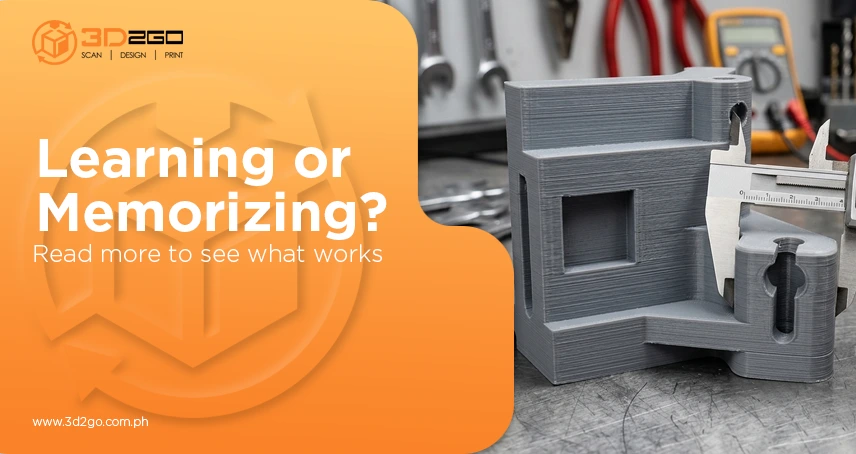
You can explain a concept all day, but until someone builds it, there’s always a gap. That gap shows up in classrooms more than we like to admit. Students understand the theory, pass the exams, but struggle when it’s time to apply what they’ve learned. Something’s missing, and it usually comes down to experience.
That’s where high precision prototypes come into play. Instead of stopping at sketches or simulations, students can turn ideas into something they can hold, test, and refine. With precision rapid prototypes, learning shifts from passive understanding to active problem-solving.
And once that shift happens, everything starts to move faster.
When Theory Hits a Wall
There’s nothing wrong with lectures or diagrams; they’re necessary. But they have limits. A diagram can show how something should work. It won’t show what happens when tolerances are off, parts don’t align, or a design simply doesn’t hold up.
That’s where things get real.
With precision rapid prototypes, students don’t have to imagine outcomes; they see them. They test their own designs, spot flaws early, and figure out what needs fixing. It’s a more honest way to learn, and frankly, a more effective one.
Why Hands-On Learning Sticks
People remember what they do, not just what they hear. That’s one reason more schools are shifting toward hands-on learning. It’s not a trend, it’s a response to how people actually learn best.
According to Forbes, experiential learning improves engagement and helps learners retain information more effectively than traditional methods alone.
This is exactly where precision rapid prototypes make an impact. They give students a way to test ideas quickly and learn through iteration, not repetition.
From Digital Design to Something You Can Hold
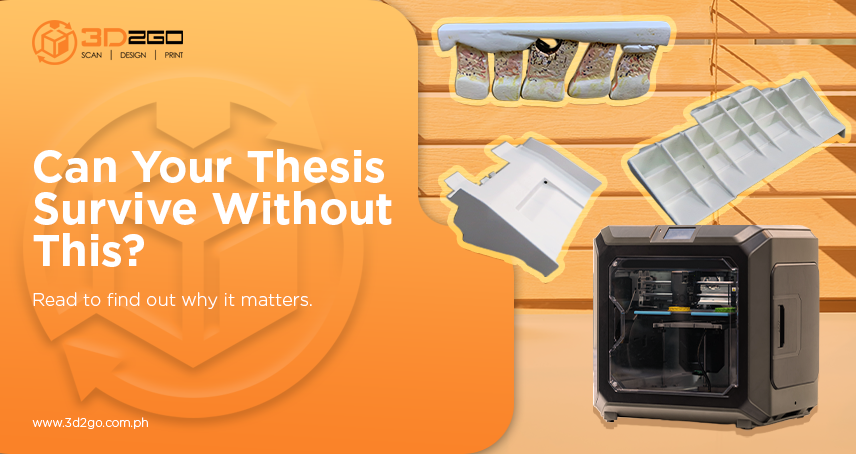
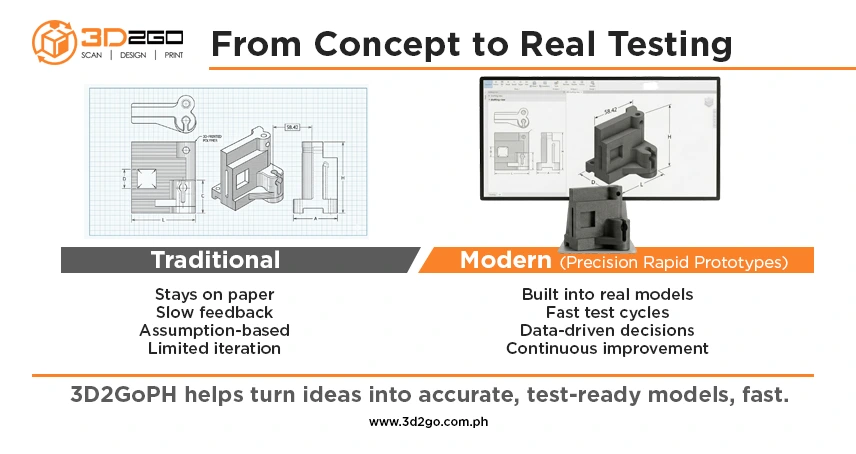
Here’s what makes this approach practical. Students start with a digital model, something they’ve designed themselves. Then, using rapid prototyping, that design turns into a physical object within a short timeframe.
But speed isn’t the only factor here. Precision rapid prototypes ensure that what gets built closely matches the original design. Measurements are accurate. Details are intact. And that accuracy matters when testing functionality.
Because if the model isn’t reliable, the results won’t be either.
Faster Feedback Changes Everything
Waiting weeks to test a concept kills momentum. Students lose focus, projects stall, and the learning cycle drags out longer than it should. With precision rapid prototypes, that delay disappears. Students can build, test, adjust, and rebuild within days, sometimes even faster.
That quick turnaround does more than save time. It encourages experimentation. Students try more ideas because they know they can refine them quickly.
And that’s where real learning happens.
Making Complex Ideas Click
Some concepts are hard to grasp, no matter how well you explain them. Mechanical systems, structural designs and product assemblies, these things are easier to understand when you can see and touch them.
A precision rapid prototype approach gives students that clarity. They can examine how parts fit together, how structures hold up, and where designs fall short.
It turns abstract ideas into something concrete, and that makes a big difference.
Creating Room for Trial and Error
If every mistake feels expensive or time-consuming, students play it safe. That’s not how innovation works. With precision rapid prototypes, the cost of trying and failing drops significantly. Students can test bold ideas, push boundaries, and learn from what doesn’t work.
And instead of seeing failure as a setback, they start to treat it as part of the process. That mindset carries well beyond the classroom.
Collaboration Becomes More Practical
Group projects often fall apart for one simple reason: misalignment. Everyone has a slightly different interpretation of the design, and without a clear reference, confusion builds. A physical model changes that.
With precision rapid prototypes, teams can gather around the same object, review it together, and make decisions based on something tangible. It keeps discussions grounded and reduces miscommunication.
Simple shift, noticeable impact.
Preparing Students for Real-World Work
There’s a gap between academic knowledge and industry expectations. Most graduates feel it when they step into their first job.
Employers don’t just want ideas; they want execution.
By working with precision rapid prototypes, students get a taste of real-world processes. They learn how to design with purpose, test efficiently, and refine based on actual results.
That experience makes them more confident and more prepared.
Why Accuracy Shouldn’t Be Compromised
It’s easy to focus on speed when talking about rapid prototyping. But speed alone isn’t enough. If a prototype isn’t accurate, testing it won’t give useful insights. You end up solving the wrong problems.
That’s why precision rapid prototypes matter. They ensure that what students test reflects real conditions as closely as possible.
And that leads to better decisions, both in school and beyond.
A Smarter Investment for Schools
Educational institutions that adopt hands-on tools don’t just improve student outcomes; they strengthen their programs overall.
Integrating precision rapid prototypes helps schools:
- Increase engagement in technical courses
- Improve project quality
- Stay aligned with industry practices
It’s not about adding more tools. It’s about using the right ones.
Where Learning Becomes Real
At some point, every idea needs to leave the screen. That’s when the real learning begins.
Precision rapid prototypes give students a way to test what they’ve learned, not just repeat it. They shorten the gap between concept and execution, making education more practical, more engaging, and more relevant.
For schools and organizations ready to take that step, working with the right partner matters.
3D2GoPH helps turn concepts into accurate, test-ready models, so students don’t just learn ideas, they build them.