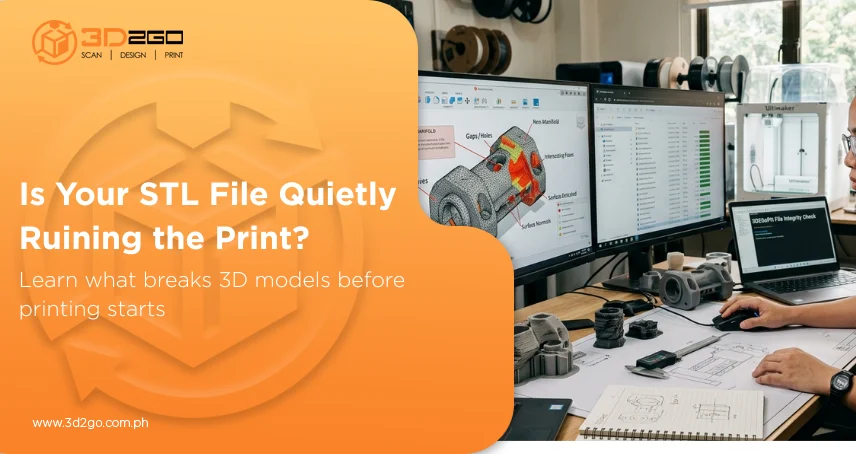
Top 10 Problems Found in STL Files and 3D Models Before Printing
May 11, 2026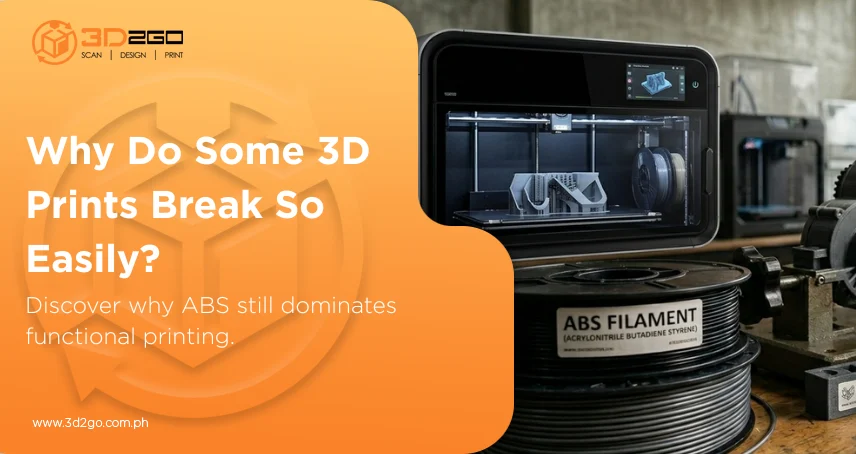
Mind-Blowing Strength Capabilities of ABS 3D Printer Filament
May 13, 2026
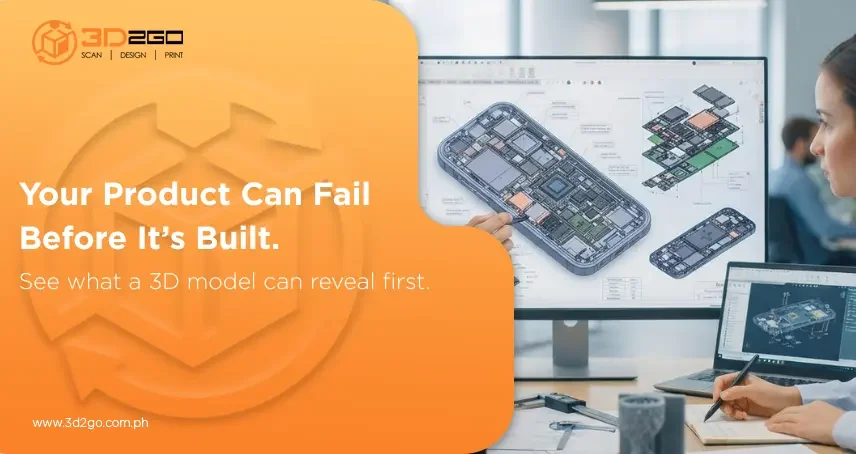
When product development slows down, people often blame manufacturing, suppliers, or production schedules. But in many cases, the real issue begins much earlier—during the design stage itself.
A missing detail. An inaccurate measurement. A design that looked good in theory but didn’t fully work once development moved forward. Those small problems have a way of growing fast.
That’s one reason companies continue investing in digital 3D modeling services. A properly built digital model gives teams a clearer picture of the product long before production starts. Instead of relying purely on sketches, assumptions, or static drawings, businesses can work with a detailed visual representation that helps identify problems early while changes are still manageable.
And in product development, catching problems early can save weeks of unnecessary revisions later.
A Good Digital Model Reduces Uncertainty
One of the biggest causes of delays in product development is uncertainty. Teams move forward without fully knowing whether dimensions align correctly, components fit together properly, or certain features will work in real-world conditions. Then revisions pile up later when those assumptions finally get tested.
A high-quality digital model helps reduce that uncertainty from the beginning.
Instead of imagining how a product might function, teams can inspect it visually and technically before manufacturing even enters the conversation. Measurements become easier to validate. Structural concerns become easier to spot. Even small design inconsistencies stand out faster when the product exists in a detailed digital environment.
That level of visibility creates more confidence throughout the process.
Faster Revisions Keep Projects Moving
No product gets everything perfect on the first version. Revisions are part of the process. The problem starts when revisions become slow, repetitive, or expensive.
A refined digital model makes adjustments easier because changes happen digitally before physical materials are involved. Designers can modify dimensions, refine shapes, or test alternative ideas without rebuilding everything from scratch every time.
That flexibility speeds development up significantly.
Instead of waiting days or weeks to test physical changes, teams can evaluate updates almost immediately inside the digital workflow. And when deadlines are tight, that kind of speed matters more than most companies realize.
Visualization Helps Teams Make Better Decisions
Not everyone processes technical drawings the same way. Some stakeholders understand engineering sketches instantly. Others need to see the product in person before they fully grasp how it works. That gap in understanding can slow approvals and create communication problems during development.
A detailed digital model bridges that gap.
It allows teams to review the product visually from multiple angles while understanding proportions, materials, assembly structure, and functionality much more clearly. Conversations become more productive because everyone works from the same visual reference point.
And when communication improves, decisions tend to happen faster, too.
Better Models Reduce Production Mistakes
Many manufacturing issues don’t begin on the production floor. They begin with flawed design data. If dimensions are slightly inaccurate or structural details aren’t refined properly inside the file, those mistakes often carry straight into manufacturing. By the time someone notices, production time and resources have already been affected.
That’s where a strong digital model becomes incredibly valuable.
Proper modeling helps teams validate measurements, refine assemblies, and identify conflicts before production starts. Small adjustments made during the digital stage are far easier—and far less expensive—than fixing problems after manufacturing begins.
That preparation saves both time and unnecessary cost.
Collaboration Becomes Smoother Across Departments
Modern product development rarely involves just one team. Designers, engineers, manufacturers, marketing teams, and decision-makers all contribute to the process. Without a shared visual reference, misunderstandings can happen quickly.
A clean, organized digital model helps keep everyone aligned.
Instead of relying on scattered sketches or disconnected revisions, teams work from the same updated structure throughout development. That consistency reduces confusion and helps projects move more smoothly between departments.
When teams stay aligned, projects tend to move faster with fewer interruptions.
Physical Prototyping Becomes More Efficient
Physical prototypes still matter. They help teams test products in real-world conditions before full production begins.
But building prototypes without refining the digital version first usually leads to unnecessary trial and error.
A high-quality digital model helps improve the prototyping stage by allowing many structural and design concerns to be reviewed digitally beforehand. Teams spend less time correcting avoidable mistakes and more time validating actual product performance.
That creates a much more efficient workflow overall. Digital preparation doesn’t eliminate prototyping—it simply makes the process smarter.
Small Design Flaws Become Easier to Catch
Some product issues are surprisingly difficult to notice early on. A curve may interfere with another component. Internal spacing may be too tight. A structure may appear visually stable but fail under real-world conditions.
These details often stay hidden until physical production begins—unless the digital model is detailed enough to reveal them earlier.
Modern modeling workflows allow teams to inspect products closely before committing to manufacturing decisions. That early visibility helps reduce expensive redesigns later in development.
And sometimes, spotting one small issue early prevents much bigger problems later.
The Demand for Digital Development Continues to Grow
Businesses across industries are investing more heavily in digital product workflows because they improve efficiency and reduce development delays.
According to research, companies worldwide continue expanding their use of digital engineering and 3D technologies to accelerate innovation and streamline production processes.
That shift increases the importance of a properly built digital model, since the file itself now plays a central role in visualization, collaboration, testing, and manufacturing preparation.
The stronger the digital foundation, the smoother the workflow tends to become.
Why Model Quality Impacts the Entire Workflow
Not all 3D models are created with the same level of precision.
A poorly structured digital model can create downstream problems that affect rendering, prototyping, approvals, manufacturing, and even communication between teams. Inaccurate scaling, messy geometry, incomplete details, or unstable topology often lead to avoidable revisions later.
A professionally prepared model helps reduce those problems before they spread through the workflow.
And in fast-moving development environments, avoiding delays can be just as valuable as innovation itself.
Faster Product Development Starts With Stronger Digital Preparation
Successful products rarely come from rushed or unclear development processes. Behind efficient workflows is usually a well-prepared digital foundation that helps teams move with greater accuracy and confidence.
A high-quality digital model helps businesses reduce guesswork, speed up revisions, improve collaboration, and identify design issues earlier in the process. Those advantages lead to smoother development, fewer costly corrections, and faster progress toward production.
As digital workflows continue shaping modern industries, the quality of the model itself becomes even more important.
3D2GoPH helps businesses develop accurate, production-ready digital models designed to support clearer visualization, smoother collaboration, and more efficient product development from concept to execution.