The Competitive Advantage of Using an FDM 3D Printing Service
May 21, 2026
Why PLA Plastic 3D Printing Is Ideal for Prototypes and Display Models
May 25, 2026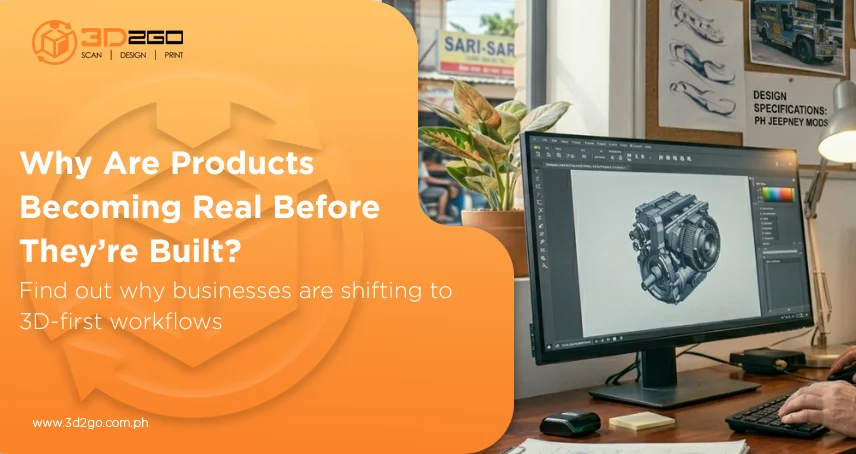
Not long ago, 3D design was treated like a specialty service — something reserved for big-budget architecture firms, gaming studios, or large-scale manufacturers. That’s changed fast.
Today, businesses across diverse industries are relying on digital modeling to accelerate development, improve presentations, reduce production errors, and make earlier decisions. In many cases, companies aren’t using 3D workflows because they want to look innovative. They’re using them because they’ve become genuinely practical.
That’s why professional 3D design solutions are seeing growing demand across industries that never prioritized digital modeling in the first place.
From manufacturing and healthcare to retail and engineering, 3d design services are becoming part of how modern businesses work, communicate, and build products more efficiently.
Why Businesses Are Becoming More Visual
People process visuals faster than technical explanations. That’s true whether you’re presenting to clients, investors, engineers, or internal teams.
A flat sketch or technical drawing can still do the job, but it leaves a lot open to interpretation. A detailed 3D model doesn’t. It gives people something they can immediately understand from every angle. That clarity is one of the biggest reasons businesses are investing more heavily in 3d design services.
When teams can visualize a product, structure, or concept before production begins, conversations become more productive. Decisions happen faster. Problems become easier to spot. Revisions feel less risky because changes can be seen instantly instead of imagined.
Product Development Is Moving Faster Than Traditional Workflows
Modern product cycles move quickly. Businesses don’t have the luxury of waiting months just to test whether an idea works.
That pressure has made 3d design services far more valuable during development stages. Instead of building expensive prototypes immediately, teams can first create accurate digital models, evaluate them visually, and make adjustments before physical production starts.
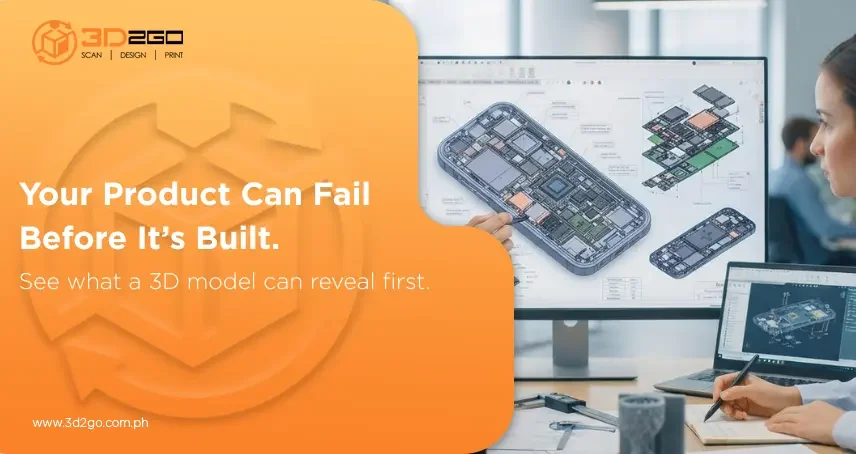
A product that looks great in a sketch may reveal ergonomic issues, assembly problems, or structural limitations once modeled properly in 3D. Catching those problems digitally is significantly cheaper than discovering them after manufacturing begins.
Manufacturing and Engineering Are Driving Huge Demand
Industrial sectors have become among the largest users of 3D design services.
Manufacturers now depend on digital modeling for everything from reverse engineering and CNC preparation to prototyping and production planning. Detailed models help engineers evaluate dimensions, tolerances, assembly fit, and manufacturability long before fabrication starts.
Even small design issues can create delays, material waste, or tooling problems once a project reaches manufacturing. Digital modeling helps reduce those risks earlier in the process.
For many engineering teams, 3D design has shifted from being a helpful addition to becoming a standard requirement.
Architecture Has Become Far More Client-Focused
Years ago, clients were expected to interpret floor plans and imagine how spaces would eventually look. Today, most people expect realistic previews before construction even begins.
That shift has increased demand for 3d design services that can create immersive visual presentations with realistic materials, lighting, layouts, and spatial depth.
Architects use these models to communicate concepts more clearly, while developers use them to market projects before physical construction is complete.
More importantly, realistic visualization helps reduce misunderstandings between clients, contractors, and designers. Everyone sees the same thing instead of interpreting technical drawings differently.
Customization Is Reshaping Consumer Expectations
Businesses across industries are seeing growing demand for customized products, specialized components, and tailored design solutions. Traditional production methods often struggle with that kind of flexibility because customization increases complexity and cost.
That’s where 3d design services become incredibly useful.
Digital workflows allow businesses to modify dimensions, configurations, and designs much faster without having to rebuild everything from scratch. Whether it’s custom-fit industrial parts, personalized promotional items, or unique product variations, 3D modeling makes customization far more manageable.
Without digital modeling, scaling personalized production becomes difficult very quickly.
E-Commerce Is Becoming More Interactive
Online shopping has become increasingly visual, and static product photos no longer feel as impressive as they once did.
Consumers want to rotate products, zoom into details, and understand what they’re buying before placing an order. Businesses know that stronger product visualization improves customer confidence, especially for premium or highly detailed products.
That demand is helping push 3d design services deeper into e-commerce and digital marketing workflows.
3D Printing Is Expanding the Need for Digital Models
As additive manufacturing becomes more common, businesses increasingly need accurate digital assets that are production-ready from the outset. That has naturally increased demand for professional 3d design services capable of creating manufacturing-ready models.
Poorly structured files can lead to failed prints, scaling errors, weak geometry, or production delays.
Strong modeling work helps avoid those problems early, which is why many companies prefer working with experienced teams instead of relying solely on automated tools or basic software outputs.
The model itself often determines how smoothly the entire production workflow runs afterward.
Better Communication Is Becoming a Competitive Advantage
One thing businesses often underestimate is how much time is lost due to unclear communication.
A realistic digital model gives designers, engineers, marketers, clients, and manufacturers a shared visual reference point. Instead of trying to interpret technical explanations differently, everyone can review the same asset directly.
That’s one reason 3d design services help projects move more efficiently across departments.
When people see the same thing clearly, approvals happen faster, revisions become easier, and fewer mistakes slip through during production.
For businesses managing multiple teams or external partners, that clarity becomes incredibly valuable.
Why Companies Continue Investing in 3D Workflows
The rising demand for 3d design services isn’t really about trends anymore. Businesses are investing because digital modeling improves real operational processes.
It helps teams:
- Visualize ideas earlier
- Reduce production risks
- Speed up revisions
- Improve product presentations
- Support manufacturing workflows
- Simplify collaboration
In many industries, 3D design is no longer considered an extra creative service. It’s becoming part of how businesses stay efficient and competitive.
Why 3D2GoPH Supports Modern Production Needs
Businesses seeking reliable digital modeling support usually need more than just attractive visuals. They need accurate, production-ready assets that work across engineering, manufacturing, visualization, and prototyping workflows.
3D2GoPH provides professional 3d design services for industries ranging from architecture and product development to industrial manufacturing and customized fabrication.
Their team develops digital models designed not only for presentation purposes but also for practical production applications. Whether the goal is visualization, prototyping, reverse engineering, or manufacturing preparation, their workflow supports projects that need both precision and flexibility.
Digital Modeling Is Becoming Part of Everyday Business
Companies now need to move faster, communicate more clearly, and make smarter decisions before investing heavily in production. That shift is exactly why demand for 3D design services continues to grow across modern industries.
What started as a specialized design tool has evolved into something much broader — a practical workflow that supports visualization, manufacturing, customization, product development, and collaboration all at once.
For businesses looking to build accurate, production-ready digital assets, 3D2GoPH provides professional 3D design solutions tailored for real-world industrial and commercial applications.