
Automotive Service 3D Model: A Smarter Way to Plan Repairs
July 28, 2026
How Mechanical 3D Modeling Services Support Product Development
July 30, 2026
Every object tells a story—but if it only exists in the physical world, it’s difficult to modify, reproduce, or preserve. That’s a challenge many manufacturers, engineers, designers, and restoration specialists face every day.
That’s where 3d scan technology changes the game. Instead of relying on manual measurements or outdated drawings, laser scanning captures an object’s exact shape with remarkable accuracy. The result is a digital file that’s ready for design, analysis, reverse engineering, or manufacturing.
A laser scan to 3d model gives businesses a faster and more reliable way to work with existing parts, products, and structures. Whether you’re recreating a discontinued component, documenting an existing asset, or preparing a model for production, having an accurate digital version saves time and reduces guesswork.
Digital transformation is reshaping how manufacturers design, repair, and produce components. Deloitte reported that 98% of surveyed manufacturers have started their digital transformation journey, with companies investing in technologies that improve efficiency, product innovation, and operational performance
What Is a Laser Scan to 3D Model?
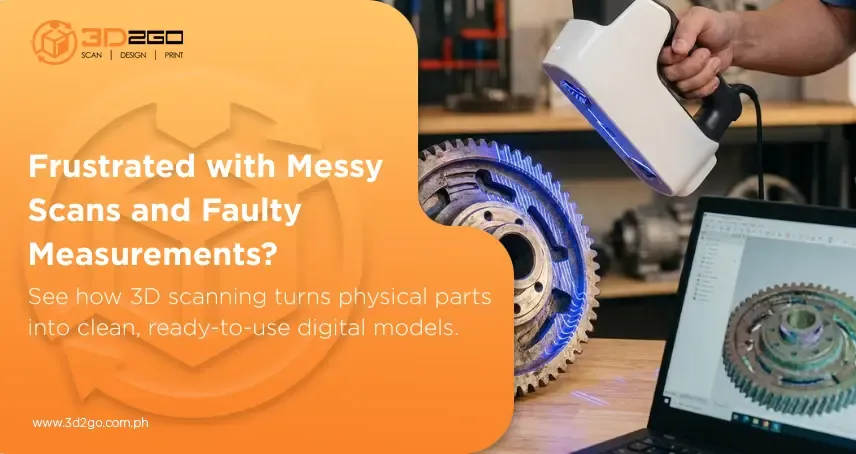
A laser scan to 3d model is the process of converting a real-world object into a highly detailed 3D digital file using laser scanning technology. Instead of measuring every surface by hand, scanners capture millions of precise data points in just minutes.
The collected data is then processed into a digital model that accurately represents the object’s size, shape, and geometry. These files can be used for CAD modeling, reverse engineering, quality inspection, product development, and even 3D printing.
More Than Just a Digital Replica
A digital model isn’t created simply for viewing on a screen.
It becomes a working file that designers, engineers, and manufacturers can edit, measure, and refine throughout a project’s lifecycle. The same model can support product improvements, replacement part creation, or future design updates without repeating the scanning process.
Where Laser Scanning Delivers the Most Value
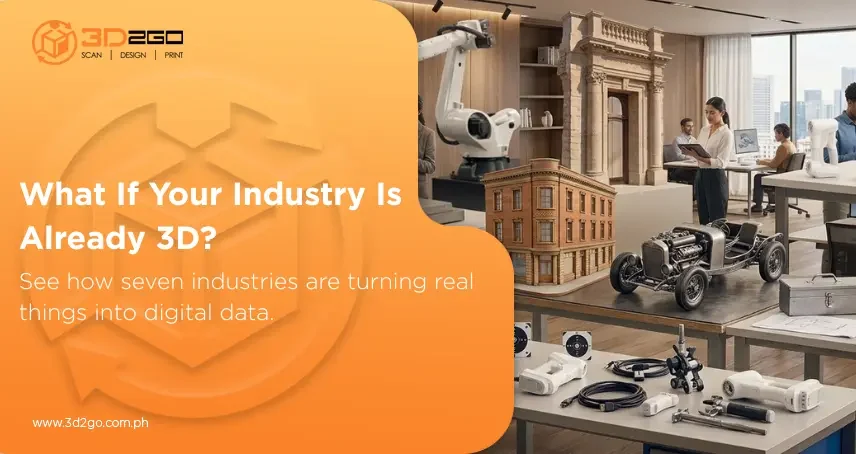
The ability to create an accurate laser scan to 3d model has made this technology valuable across a wide range of industries.
Manufacturing
Manufacturers use digital models to inspect existing parts, reproduce obsolete components, and prepare products for redesign or production. Accurate digital files help reduce manual work while improving consistency.
Engineering
Engineers rely on scanned models to evaluate assemblies, verify dimensions, and make design improvements before manufacturing begins. Working from accurate data helps minimize costly revisions later.
Architecture and Construction
Laser scanning also supports renovation and restoration projects by capturing existing structures in detail. These digital models make planning easier while reducing the need for repeated site measurements.
Product Development
Design teams use a laser scan to 3d model to accelerate development. Instead of recreating objects from scratch, they can build on an accurate digital foundation, making revisions faster and more efficient.
Why Precision Matters From the Start
The quality of any project depends on the accuracy of the information behind it. Even a small measurement error can lead to parts that don’t fit, unnecessary delays, or added production costs.
Starting with a laser scan to 3d model gives teams reliable data from day one. With a precise digital reference, it’s easier to make informed decisions, reduce rework, and move confidently from an existing object to a production-ready design.
How Digital Models Simplify Complex Projects
Capturing an object is only the beginning. The real advantage comes after a laser scan to 3d model is created. Once an accurate digital file is available, it can be reused across multiple stages of a project—from design updates and quality inspections to reverse engineering and manufacturing.
Faster Design Changes
Design revisions are inevitable. Instead of measuring the same object repeatedly, teams can work directly from the digital model. Dimensions can be verified, modifications made, and updated files shared quickly, helping projects stay on schedule without sacrificing accuracy.
A Reliable Foundation for Reverse Engineering
When original CAD files are missing, or replacement parts are no longer available, a laser scan to 3d model provides a dependable starting point. Engineers can recreate components, refine designs, or prepare files for manufacturing with greater confidence and far less manual effort.
Common Challenges Laser Scanning Helps Solve
Working from manual measurements or incomplete drawings often leads to unnecessary delays. Small inaccuracies can affect how parts fit together, increase production costs, or require time-consuming revisions.
Using a laser scan to 3d model reduces those risks by providing precise digital data from the start. With a clear and accurate reference, teams can make informed decisions before manufacturing, repair, or redesign begins.
Choosing the Right Scanning Partner
The quality of a digital model depends on more than the equipment being used. Experience, attention to detail, and a solid understanding of engineering and manufacturing requirements all play an important role.
When selecting a provider for a laser scan to 3d model, look for a team that delivers accurate files, understands your project goals, and provides dependable support from scanning through final delivery.
Turn Real Objects Into Digital Assets
A precise digital model helps improve design, collaboration, and production workflows. Whether you’re recreating a hard-to-find part, preserving an existing object, or preparing a product for manufacturing, 3D2GoPH’s laser scan to 3d model solutions provide the accuracy needed to move forward with confidence.
With advanced scanning technology and digital modeling expertise, 3D2GoPH helps transform physical objects into reliable digital assets for different industries and applications.
Ready to digitize your next project? Connect with us and discover how a laser scan to 3d model can support your design, repair, or manufacturing needs.