Turn Physical Objects into Usable Digital Assets with Digital Scan 3D Services
June 18, 2026
Capture Every Detail For Your Vehicles with a Professional 3D Scanning Service
June 23, 2026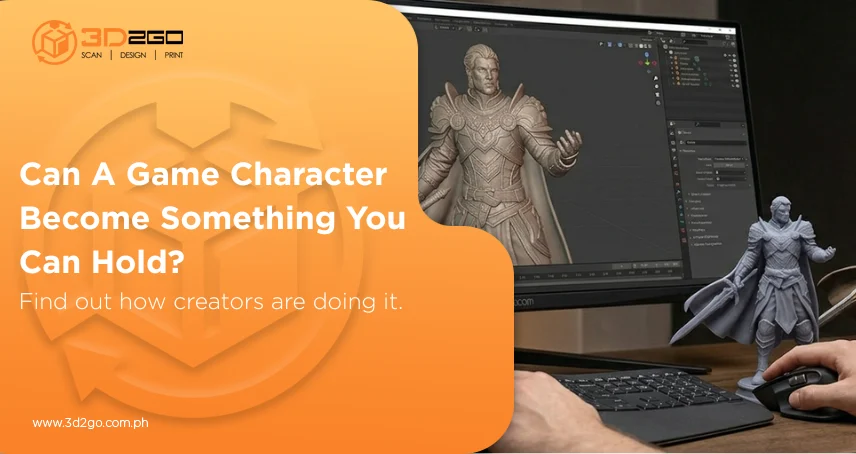
Whether it’s a fan-favorite hero, an original creation, or a mascot built for a growing brand, digital characters often take on a life of their own. They become recognizable, memorable, and in some cases, valuable intellectual property. It’s no surprise that creators are looking for ways to bring those designs into the real world.
That’s where custom game asset creation and 3D printing come together. What begins as a digital file can eventually become a display piece, a collector’s item, a promotional product, or a one-of-a-kind figurine.
The process starts with high-quality game character models, which provide the foundation for creating accurate physical versions of digital designs.
Why People Want Physical Versions of Digital Characters
Gaming has changed dramatically over the years. Characters are no longer limited to gameplay. They appear in merchandise, marketing campaigns, events, collectibles, and online communities.
Fans develop strong connections with the characters they follow. For creators and studios, this creates an opportunity to extend a character’s presence beyond the screen.
Custom figurines built from game character models allow people to interact with those characters in a more tangible way. Instead of existing only in a digital environment, the design becomes something that can be displayed, collected, or shared.
Not Every Game Model Is Ready for Printing
A character that looks great in a game won’t always translate perfectly into a physical object. Many game character models are designed with animation and performance in mind. They may include details that work well on-screen but create challenges when manufactured as a figurine.
Thin accessories, floating elements, or highly complex geometry often require adjustments before production begins. This preparation stage is important because it helps preserve the character’s appearance while ensuring the finished piece is durable enough to exist in the real world.
Turning a Digital Design Into a Figurine
The transformation process is more involved than simply pressing “print.” Once game character models are optimized, they are converted into formats suitable for 3D printing. From there, the model is prepared for production, accounting for scale, structural integrity, and print resolution.
The printer then builds the figurine layer by layer, gradually turning a digital concept into a physical object. What makes the process remarkable is the level of detail that can be preserved. Clothing textures, facial expressions, armor designs, and accessories can all be recreated with impressive accuracy when the original model is properly prepared.
Details Make the Difference
Collectors tend to notice the smallest things. A slight change in a facial expression, a missing design element, or inaccurate proportions can completely alter how a character feels.
That’s why the quality of game character models plays such a critical role in the final result. A well-constructed model provides the precision needed to maintain the character’s identity throughout the production process.
The goal isn’t simply to create a figurine. It’s to create a figurine that immediately feels familiar to the people who know the character.
Opportunities for Independent Creators
The growing accessibility of 3D printing has opened new doors for artists, game developers, and content creators.
In the past, producing custom merchandise often required large manufacturing runs and significant upfront investment. Today, creators can use game character models to produce limited-edition collectibles, convention merchandise, crowdfunding rewards, or promotional items without committing to mass production.
This flexibility makes it easier for smaller studios and independent artists to offer physical products that strengthen their connection with fans.
More Than Just Collectibles
Although gaming remains a major driver, the applications extend beyond traditional fan merchandise.
Businesses often use game character models for brand mascots, event displays, educational projects, product promotions, and marketing campaigns. Characters that exist digitally can become valuable brand assets when they’re adapted into physical formats.
A custom figurine can create engagement in ways that digital images alone often can’t.
The Market for Personalized Collectibles Continues to Grow
Demand for unique collectibles continues to increase as consumers seek products that feel more personal and distinctive.
According to research, the global collectibles and toys market generates hundreds of billions of dollars annually, highlighting strong demand for character-based products across multiple industries.
This trend has encouraged more creators to explore ways to transform game character models into products that extend the value of their digital content.
Giving Digital Characters a Physical Presence
There’s something different about holding a character in your hands. A figurine transforms a digital design into something people can display, photograph, share, and experience in ways simply not possible on a screen.
That’s why game character models continue to play an increasingly important role not only in game development but also in merchandising, branding, and fan engagement.
Where Digital Creativity Meets the Real World
With the right combination of modeling expertise and 3D printing technology, game character models can become high-quality figurines that capture the personality, detail, and identity of the original design.
3D2GoPH transforms digital concepts into professionally crafted physical pieces through advanced 3D modeling and printing solutions. Whether you’re developing collectibles, promotional merchandise, or custom display pieces, the right process can bring your character to life with remarkable accuracy.
Ready to turn your digital character into something you can actually hold? Reach out to our team and discover how professional 3D modeling and printing services can help bring your ideas into the real world.