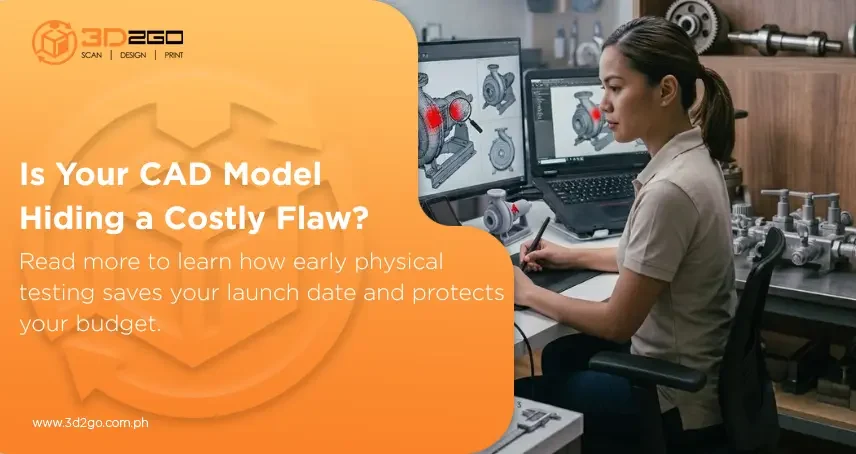
Bringing a rough sketch to life is thrilling, but it’s also where expensive headaches begin. A tiny math error on a drawing, a wall that’s a fraction of a millimeter too thin, or an awkward handle can quickly turn a great concept into a manufacturing nightmare—derailing your launch date and draining your budget.
That’s why hands-on physical testing early in the game is a total lifesaver. Integrating early 3D prototype development lets designers and engineers evaluate form, fit, and function long before committing to full mass production. By bringing 3d rapid prototyping into your initial workflow, you catch critical structural flaws while they are still cheap and easy to fix.
The True Cost of Skipping Early Physical Testing
Back in the day, testing a physical concept meant waiting weeks—sometimes months—for a single machined sample back from a vendor. Because it took so long and cost an arm and a leg, plenty of development teams felt pressured to skip real-world testing altogether, relying instead on 2D drawings or digital 3D renders.
The problem? A CAD model on a computer screen simply can’t tell you how a product actually feels in someone’s hand. Renders won’t show you if a snap-fit connector gives way under real thumb pressure, or how internal parts hold up to everyday abuse. Discovering those oversights after cutting steel molds for production is the kind of mistake that keeps business owners up at night.
A report revealed that enterprise manufacturers using additive technologies significantly shortened their development cycles and reduced operational risks—mainly because they caught design flaws during early iteration instead of post-production. Using 3d rapid prototyping bridges that risky gap between a digital file and reality, helping you validate your ideas without blowing your budget.
What Digital Models Miss And Physical Prints Reveal
Screen models are great, but physical prototypes tell the whole truth. Relying on 3d rapid prototyping early on helps bring critical design issues to light:
- Clearance and Tolerance Snafus: When two parts need to click together—like a remote control’s battery door—exact tolerances are everything. A fraction of a millimeter off in your digital file can mean parts that bind up or wobble loosely in real life.
- Ergonomic Blunders: A product can look sleek on a display screen and still feel bulky, unbalanced, or plain uncomfortable in actual use. Physical prints give you instant feedback on weight, grip, and overall human comfort.
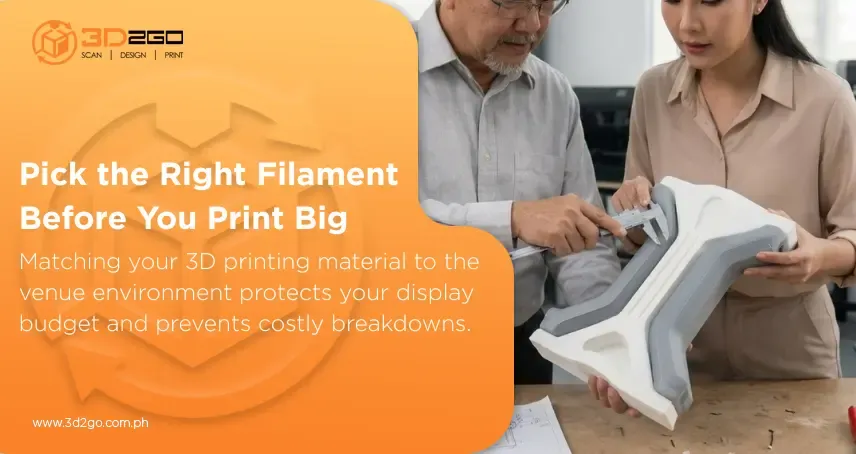
- Mechanical Weak Points: Under real stress, thin walls warp and load-bearing joints snap. Functional prototype materials let engineers apply real physical pressure to a part and spot weak geometry before anything goes to final tooling.
- Assembly Line Headaches: Designers have to think about the people actually assembling the product. Physical testing highlights hard-to-reach screw holes or awkward assembly steps, letting you streamline things for the factory floor.
Why 3D Rapid Prototyping Keeps Teams Nimble
The real beauty of additive manufacturing comes down to sheer speed. Traditional prototyping methods meant long wait times for specialized tooling, making every single design tweak slow and pricey. Modern 3d rapid prototyping flips that script by delivering physical models in days, or even hours.
Think of it as a fast, low-risk feedback loop:
- Design in CAD: Create your initial concept.
- Print the Part: Get a physical model in hand fast.
- Test in the Real World: Check form, fit, and ergonomics.
- Spot the Flaws: Catch errors before they turn expensive.
- Tweak and Re-print: Refine the digital file and print again immediately.
- Move to Production: Send validated designs to full-scale tooling with total peace of mind.
This cycle lets you fail early when it costs almost nothing, test multiple variations side by side, and give everyone on your team—from engineers to marketing—a real object to evaluate together.
Choosing the Right Tech and Material for the Job
Not all prototypes are built for the same task, so picking the right approach comes down to what you are trying to evaluate:
- Visual Concepts & Form Studies: Technologies like SLA (Stereolithography) or DLP use high-resolution smooth resins to highlight fine aesthetic details and smooth surface finishes.
- Functional & Stress Testing: Methods like FDM (Fused Deposition Modeling) or SLS utilize tough engineering plastics like ABS or Nylon that are specifically built to handle mechanical stress and physical impacts.
- Snap-Fits & Overmolds: Technologies like PolyJet use flexible, multi-material polymers that can simulate rubber grips, clear plastic components, and complex multi-part enclosures.
Make Prototyping a Hassle-Free Part of Your Workflow
You don’t need to drop thousands on industrial hardware or spend hours learning how to maintain complex machinery just to get these benefits. Partnering with a dedicated team lets you tap into high-end equipment and material expertise right when you need it.
At 3D2GoPH, we help businesses turn digital files into accurate, durable models through custom 3d rapid prototyping services. We work directly with local designers, engineers, and entrepreneurs across the Philippines to spot structural and aesthetic issues long before factory production starts.
Whether you need a clean visual model to show investors or a rugged functional prototype for stress testing, 3D2GoPH offers precise 3D scanning, modeling, and additive manufacturing built around your project’s exact needs.
Protect Your Launch Budget with 3D2GoPH
Catching product design problems before they reach the factory floor isn’t just good practice—it’s smart risk management. Using 3D rapid prototyping protects your budget, speeds your path to market, and ensures a better experience for your end users.
Don’t let hidden design flaws derail your next product release or waste precious capital. Partner with 3D2GoPH to test, refine, and launch your ideas with confidence.
Ready to transform your digital file into something you can actually hold? Send us your project details today and let’s map out your custom prototyping strategy!