
Ensure Perfect Fit with 3D Scanning Parts for Manufactured Machines
February 20, 2026
From Sketch to 3D Reality: Why You Should Convert 2D Drawings with Expert Services
February 24, 2026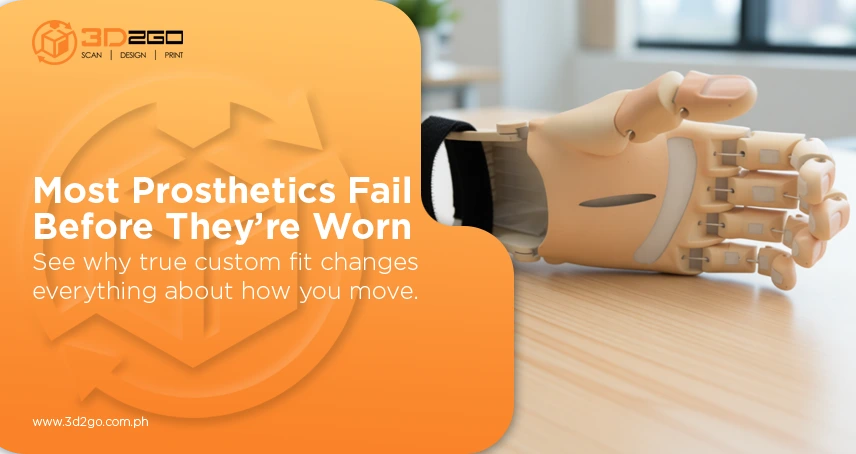
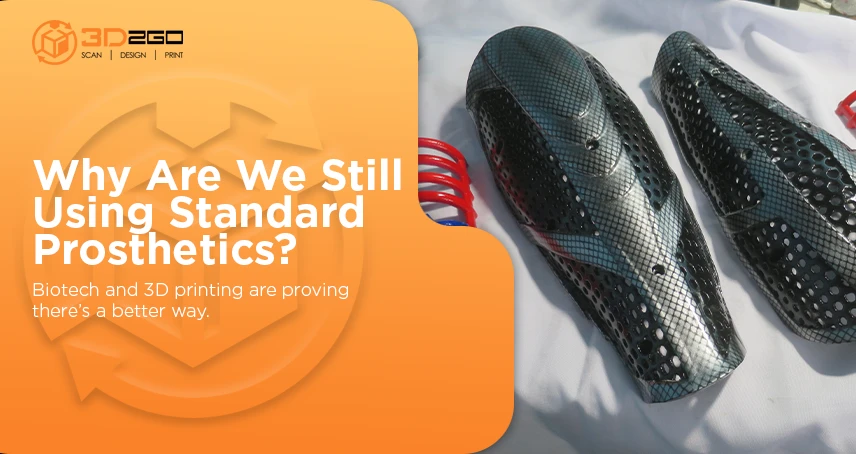
Mobility isn’t something most people think about until it changes. When it does, everyday movements suddenly require effort, planning, and patience. That’s why modern custom prosthetic solutions are reshaping how people recover independence. A thoughtfully engineered custom-fit prosthetic doesn’t just replace what’s missing; it restores rhythm, balance, and confidence in motion.
Unlike generic fittings that try to approximate a match, personalized prosthetics are built around how your body moves. Every contour, pressure point, and alignment is considered. The result is a custom-fit prosthetic that feels less like equipment and more like an extension of your natural movement, and that distinction changes how you walk, stand, and live day to day.
Why Personalization Makes a Real Difference
No two bodies carry weight or distribute pressure the same way. A one-size approach often leads to friction, fatigue, and constant adjustments. Personalization removes that compromise.
A custom-fit prosthetic is shaped around real anatomical data, not assumptions. That precision translates into:
- More natural balance while walking
- Reduced pressure points and skin irritation
- Longer wear time without discomfort
- Improved stability during daily tasks
People often describe the shift as subtle at first, then transformative. When movement stops feeling like a negotiation with your body, daily routines become smoother and less mentally draining.
How Modern Prosthetic Design Comes Together
Behind every personalized prosthetic is a workflow built around accuracy and refinement. It’s not guesswork, it’s engineering guided by biomechanics.
The journey typically involves:
Precision Capture
Digital scans and measurements map limb geometry with high accuracy.
Biomechanical Design
Alignment and load distribution are modeled to support natural movement.
Material Selection
Components are chosen for durability, flexibility, and comfort.
Fit Calibration
Fine adjustments ensure balance and eliminate stress points.
Each step builds toward a custom-fit prosthetic that matches how you move in real life, not just how you stand in a clinic.
The Everyday Impact of Better Fit
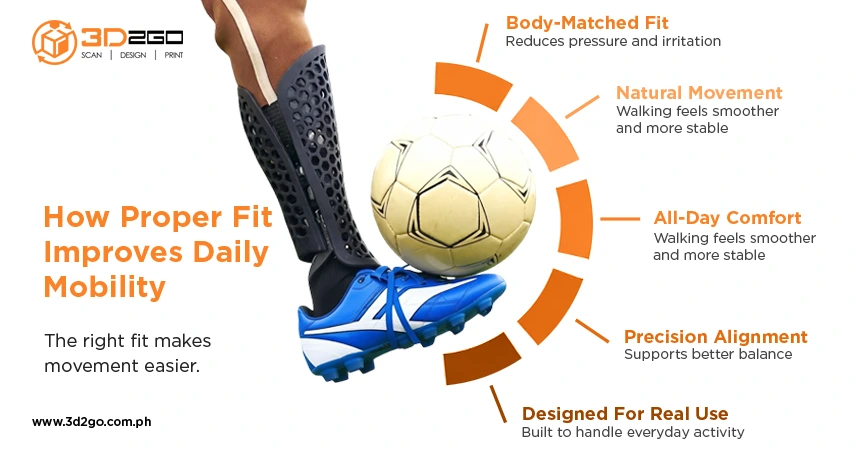
Comfort isn’t a luxury in prosthetics; it’s the foundation of mobility. When the interface between body and device feels right, movement becomes less effortful and more intuitive.
A well-balanced custom-fit prosthetic reduces micro-strain and repetitive irritation, allowing users to stay mobile without constant adjustment or fatigue.
Comfort and Performance Work Together
There’s a misconception that prosthetic design must prioritize strength over comfort. In reality, the best outcomes happen when both work together. Structural integrity ensures safety, while ergonomic design keeps the device comfortable to wear for extended periods.
A custom-fit prosthetic distributes load evenly, minimizing hotspots that often cause inflammation. This balance supports:
- Longer walking sessions with less fatigue
- Improved posture and stability
- Reduced need for mid-day adjustments
The difference becomes clear during real-life movement, such as stairs, uneven ground, or long standing periods, which feel more manageable.
Technology Driving Modern Prosthetics
Advancements in digital modeling and fabrication have raised the bar for precision. Today’s prosthetic systems integrate tools that were once reserved for aerospace and industrial design.
Key technologies include:
- High-resolution limb scanning
- Computer-aided biomechanical modeling
- Additive manufacturing for lightweight structures
- Performance-driven material engineering
These innovations allow a custom-fit prosthetic to be built faster, refined more accurately, and adapted to changing needs. As mobility goals evolve, whether returning to work or pursuing sports, adjustments can be implemented without starting from scratch.
Mobility Is More Than Movement
Restoring motion is only part of the story. Confidence, independence, and emotional well-being often follow when physical comfort improves.
Users frequently report:
- Greater willingness to participate in social activities
- Increased physical stamina
- Improved balance and coordination
- Reduced mental strain from constant discomfort
A properly fitted prosthetic doesn’t just support motion; it supports continuity of lifestyle.
Choosing the Right Prosthetic Path
Selecting a prosthetic solution is both technical and personal. Movement goals, daily routines, and long-term comfort all matter.
When evaluating options, consider:
- How precisely the device matches your anatomy
- Whether alignment supports natural gait
- Comfort during extended wear
- Durability for daily activity
A thoughtfully engineered custom-fit prosthetic balances all four, ensuring performance doesn’t come at the cost of usability.
A Practical Investment in Mobility
Quality prosthetics represent an investment in independence. Personalized devices reduce the cycle of refitting and discomfort that often accompanies generic alternatives. Over time, that consistency supports physical health, reduces strain, and encourages sustained activity.
For many users, the value isn’t just mechanical, it’s psychological. When movement feels dependable, daily life becomes less about limitations and more about possibilities.
Moving Forward with Confidence
Regaining mobility isn’t about returning to a previous version of yourself; it’s about building a new rhythm that supports how you want to live today. A custom-fit prosthetic provides the structural foundation for that transition, blending precision engineering with real-world comfort.
3D2GoPH advanced digital fabrication meets personalized design to deliver prosthetic solutions centered around individual movement. Every project focuses on accuracy, usability, and long-term comfort, because mobility should feel natural, not negotiated.
Movement restored isn’t just mechanical; it’s personal, practical, and empowering.