
When Parts Go Obsolete: How 3D Scanning Spare Parts Keeps Machines Running
March 16, 2026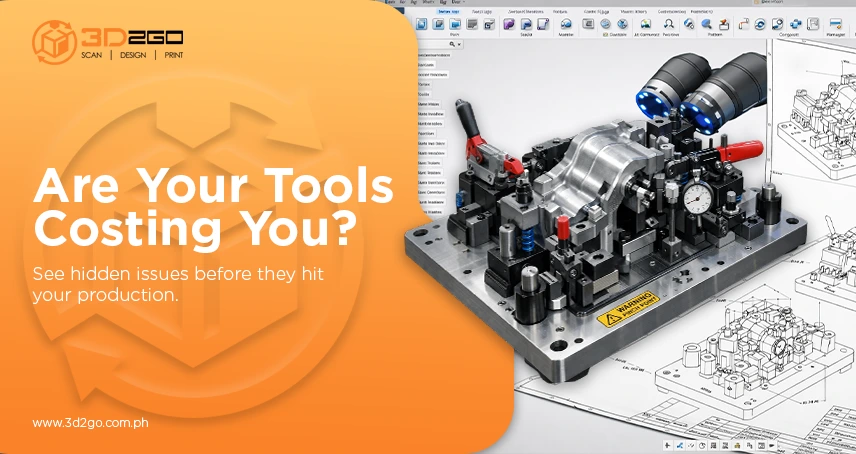
Most production issues don’t start big. They creep in quietly, slight misalignments, barely noticeable wear, tiny shifts that eventually throw everything off. By the time defects show up, the real problem has already been sitting in your tools for weeks, maybe longer.
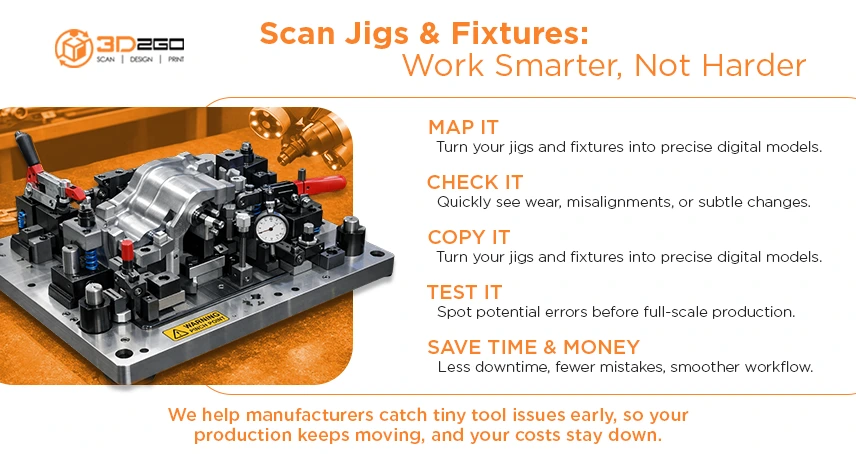
That’s where jig fixture scanning comes in. Instead of guessing or relying on routine checks, manufacturers can now see the exact condition of their tools with precision. A quick scan turns physical jigs and fixtures into detailed digital models, making it easier to spot issues before they affect output.
If you’re dealing with inconsistent quality or tools that don’t perform as well as they used to, it’s worth considering solutions like scan jigs and fixtures.It’s a practical shift, fewer assumptions, more clarity.
And interestingly, this same need for precision shows up in other industries, too. Think about the offshore call center philippines space, everything is tracked, measured, and optimized to maintain consistency. Manufacturing is heading in that same direction.
What Are Scan Jigs and Fixtures?
Let’s keep it simple.
Jigs guide how something is made. Fixtures hold things in place while they’re being made. Both are critical, and both take a beating over time.
Here’s the catch: when these tools wear down, the changes aren’t always obvious. A fraction of a millimeter might not seem like much, but in production, that’s enough to cause defects.
Scanning solves that. It captures the exact shape and condition of the tool, down to fine details, and turns it into a digital version you can actually inspect and measure.
No guesswork. No, “it looks okay.” Just data.
Why Quality Control Breaks Down Over Time
A lot of businesses assume their processes are solid until they aren’t.
The problem is, tools don’t fail overnight. They degrade gradually:
- Edges wear down
- Surfaces shift slightly
- Alignment drifts
At first, nothing seems wrong. Then small inconsistencies appear. Then defects. Then delays.
Without a way to accurately track these changes, teams end up reacting rather than preventing. That’s expensive, and it’s avoidable.
How Jig Fixture Scanning Changes the Game
What makes scanning valuable isn’t just accuracy; it’s timing.
Instead of waiting for defects, you catch the cause early.
Here’s how it usually plays out:
- The tool is scanned to capture its current condition
- That scan is compared to the original design
- Any deviation is flagged immediately
- Fixes are made before production is affected
It’s quick, precise, and doesn’t disrupt operations. More importantly, it shifts quality control from reactive firefighting to proactive maintenance.
The Benefits You Don’t Immediately Notice
Most people focus on precision, and yes, that matters. But the real advantage shows up in day-to-day operations.
Problems Get Caught Early
You’re not waiting for defects to show up in finished products. Issues are spotted at the source.
You Can Recreate Tools Anytime
Once a tool is scanned, it’s essentially backed up. Need a replacement? You don’t start from scratch.
Downtime Drops
Instead of emergency fixes, maintenance becomes planned and predictable.
Output Becomes Consistent
When tools stay accurate, results stay consistent. Simple as that.
What’s Behind the Process
The technology sounds complex, but the idea is straightforward.
- Scanning captures thousands (or millions) of measurement points
- Software turns that into a clean, usable model
- That model can be adjusted, analyzed, or even reproduced
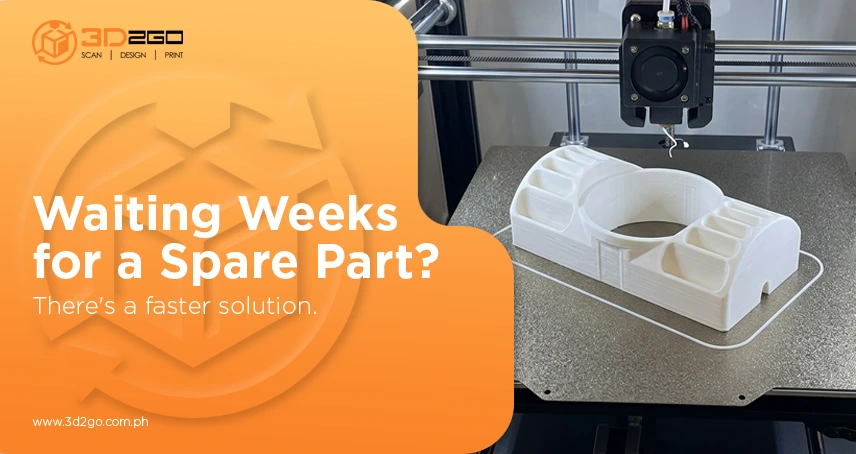
In some cases, tools can be rebuilt using 3D printing, faster than traditional sourcing.
Real Business Impact
This isn’t just about better tools, it’s about better outcomes.
Companies using scanning in their workflow often see:
- Less material waste
- Fewer rejected products
- Faster turnaround times
- More control over production
And the bigger picture supports this shift. According to Statista, the additive manufacturing industry continues to grow rapidly, indicating that more businesses are investing in digital production methods to remain efficient and competitive.
Where Things Are Headed
Manufacturing is moving toward a more connected, flexible model.
Instead of relying on physical inventory or slow supply chains, businesses are:
- Creating digital copies of tools
- Producing parts on demand
- Integrating digital and physical workflows
This isn’t some future concept; it’s already happening.
When It Makes Sense to Start
Not every company adopts scanning right away, but the signs are usually clear.
You might need it if:
- You’re dealing with repeat quality issues
- Tools don’t last as long as they should
- Production delays are becoming common
- Replacement parts take too long to source
At that point, it’s less about innovation and more about solving real operational problems.
A Smarter Way to Handle Quality
Traditional inspection methods still have their place, but they’re limited. They rely heavily on manual checks and can miss subtle issues.
Scanning fills that gap. It adds precision, speed, and consistency.
It’s the same principle that drives performance in the offshore call center philippines industry; everything is measured, tracked, and improved continuously. Manufacturing is simply applying that mindset to physical production.
Stay Ahead of Costly Production Issues
Quality issues don’t usually hit all at once; they build quietly in the background until they start affecting your output, timelines, and costs.
Using scan jigs and fixtures gives you a clearer edge. You’re not relying on assumptions or waiting for problems to show up. You’re working with accurate data, catching issues early, and keeping everything in control.
That shift changes how you run operations, with less downtime, fewer defects, and more consistent results.
If you want a smarter, more reliable way to keep your production on track, get in touch with 3D2GoPH today.