
3D Printed Jigs and Fixtures Enable Faster and Flexible Manufacturing
April 8, 2026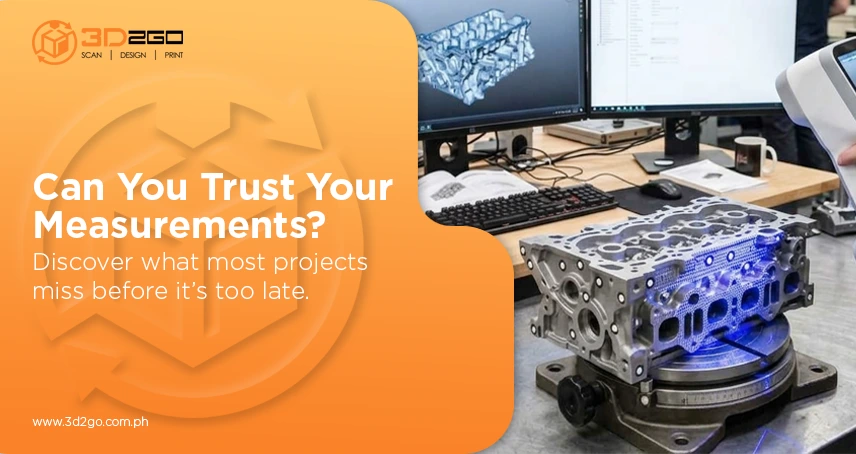
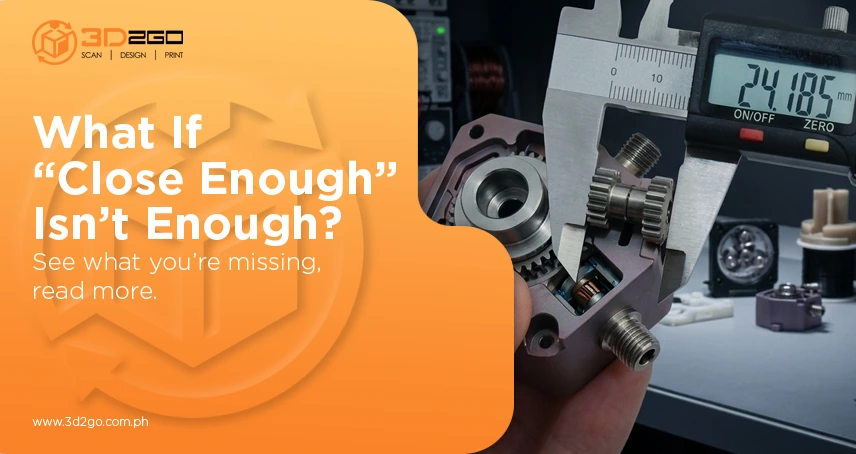
In projects where every millimeter matters, “close enough” isn’t good enough.
That’s why more teams are leaning into precision scanning technology to capture real-world conditions exactly as they are. With solutions like this, there’s less guesswork and more confidence in every measurement taken.
At the heart of it is laser scanning technology, a method that doesn’t just measure spaces, but captures them in full detail, down to the smallest edge or curve.
The Problem With Measuring Things Manually
Manual measurements still have their place. But let’s be honest—they’re slow, and they depend heavily on human accuracy.
On simple projects, that might be fine. But once you’re dealing with complex structures or tight tolerances, small errors start to pile up.
One missed dimension. One slight misalignment. That’s all it takes to throw things off.
This is where laser scanning technology changes the pace. Instead of measuring point by point, it captures entire environments in a single sweep, reducing the chance that something slips through.
Capturing What’s Actually There, Not What You Think Is There
There’s a big difference between interpreting a space and recording it.
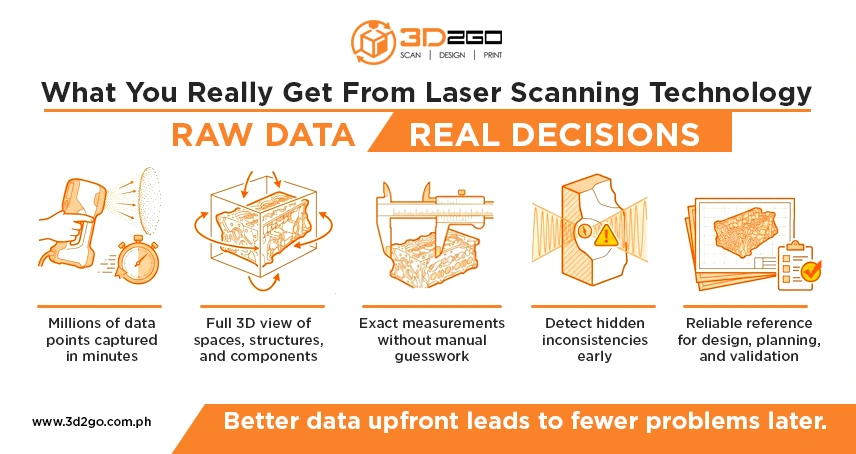
Laser scanning technology works by firing laser beams across surfaces and collecting millions of data points. The result is a “point cloud”, a highly detailed digital version of the real world.
What makes this valuable isn’t just the detail. It’s the accuracy.
You’re not relying on assumptions or rough sketches. You’re working with data that reflects what’s physically there.
And when your data is solid, everything built on top of it becomes more reliable.
Faster Work Without Cutting Corners
There’s always been that tension: move fast or be accurate. Rarely both.
But laser scanning technology doesn’t force that trade-off.
Large areas can be scanned quickly, and the data is still highly precise. What used to take days of manual measurement can now be done in a fraction of the time.
That speed doesn’t just save time, it keeps projects moving when delays would otherwise stack up.
Fewer Mistakes, Less Rework
If you’ve ever dealt with rework, you know how quickly costs escalate.
It usually starts with a small error. Something that seemed minor at first but becomes a bigger issue as work progresses.
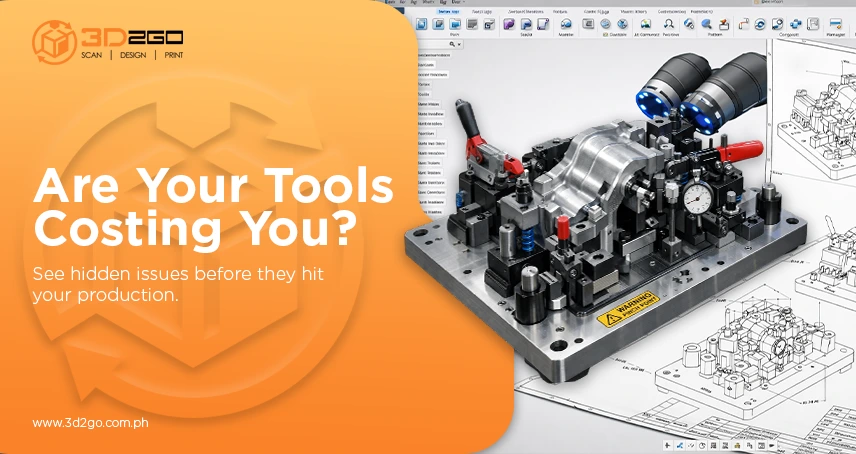
With laser scanning technology, you catch those issues earlier. The data shows inconsistencies before they become expensive problems.
That alone can make a huge difference, with less backtracking, fewer corrections, and smoother execution overall.
Better Input, Better Output
Design teams rely on accurate inputs. If the measurements are off, even slightly, the final output won’t align.
That’s why laser scanning technology has become such a valuable tool in planning and design.
Instead of building from assumptions, teams work from precise data. It makes collaboration easier, too; everyone is working from the same reference, not different interpretations.
And when everyone is aligned early, projects tend to run more smoothly.
Where It Makes the Most Sense
The value of laser scanning technology becomes obvious in environments where accuracy and detail matter most.
You’ll often see it used in:
- Construction and site documentation
- Renovation and retrofitting projects
- Industrial inspections
- Reverse engineering
- Quality control and verification
In each case, the goal is simple: get the data right from the start.
A Shift Toward Smarter Data Collection
There’s a clear shift happening.
Teams are moving away from manual, time-consuming processes and toward digital methods that are faster and more reliable.
Laser scanning technology fits right into that shift. It turns physical spaces into usable digital data that can be analyzed, shared, and applied across different stages of a project.
It’s not just about capturing data, it’s about making that data work for you.
Why the Right Execution Still Matters
Even with advanced tools, results depend on how they’re used.
Poor scanning practices can lead to incomplete data or misalignment. And that defeats the purpose entirely.
That’s why experience matters.
Working with a provider that understands both the technology and its real-world application makes a difference. With laser scanning technology, precision isn’t just about the equipment; it’s about how it’s handled.
Turning Data Into Action
Collecting data is one thing. Using it effectively is another.
With laser scanning technology, the process doesn’t stop at capture. The data feeds directly into modeling, analysis, and planning.
That connection shortens workflows and reduces friction between teams.
Instead of working with partial information, everyone operates with a complete, accurate view.
Build With Confidence, Not Assumptions
At the end of the day, better data leads to better decisions.
Laser scanning technology gives teams the clarity they need to move forward without second-guessing measurements or designs.
It reduces uncertainty, speeds up workflows, and helps avoid mistakes that could cost time and money.
3D2GoPH brings this capability into real-world applications, delivering precise scanning solutions that support accurate results from start to finish.