

The Growing Demand for Custom Replacement Parts in Modern Manufacturing
March 11, 2026
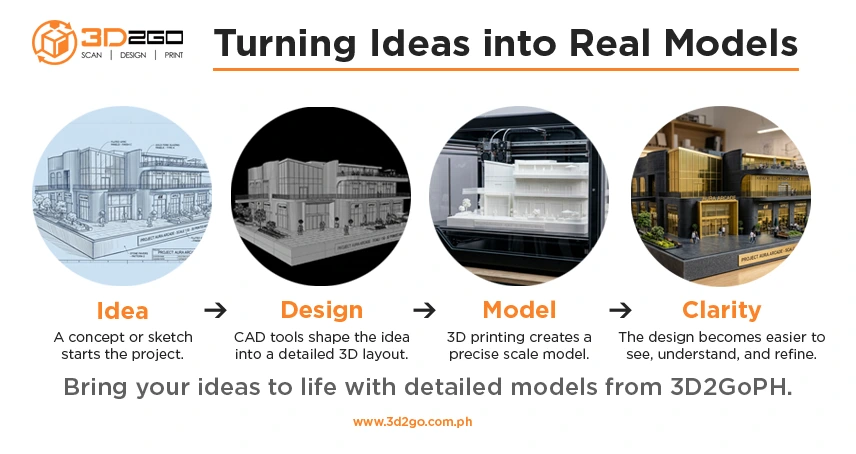
Every project begins as an idea. Sometimes it’s a sketch in a notebook. Other times, it’s a digital design sitting quietly inside a modeling program. But ideas don’t always translate easily into something people can fully understand.
That’s where custom scale models make a real difference. When a design becomes a physical object, something you can hold, rotate, and examine from every angle, the concept suddenly feels real.
With modern fabrication tools like 3D printing, turning designs into tangible models has become far more accessible. Individuals working on personal projects, product concepts, or architectural ideas can now transform digital files into detailed physical representations without building a full-scale prototype.
And the demand for these models continues to grow.
For creators who want to present ideas clearly, test concepts, or simply see their vision outside a computer screen, detailed scale models can completely change how a project develops.
What Exactly Is a Detailed Scale Model?
A scale model is a miniature version of a real object, built to maintain the same proportions as the original. The structure, layout, and geometry all stay consistent; only the size changes.
For example, a 1:100 scale model means every measurement on the model is one hundredth of the actual object.
Common examples include:
- Building models used in architectural planning
- Product prototypes before manufacturing
- Vehicle replicas for engineering studies
- Personal hobby projects and collectibles
The purpose of these models isn’t just visual appeal. They serve as tools for understanding design in a practical way.
Looking at a blueprint can tell you a lot, but holding a physical representation of the same design often reveals far more.
Why Physical Models Still Matter in a Digital World
Design software today is incredibly powerful. Architects, engineers, and designers can generate photorealistic renderings within minutes. But even with all that technology, digital visuals have limits.
A physical model engages the brain differently.
When you place a model on a table, people naturally gather around it. They lean closer. They point out details. Conversations begin to flow more easily because everyone can see the same thing from the same perspective.
This simple interaction makes scale models powerful communication tools.
They also remove a common problem with digital designs: interpretation. Not everyone can visualize space or proportions from a flat drawing. A model removes the guesswork.
Suddenly, what once required explanation becomes instantly clear.
The Real Value of Scale Models in Personal Projects
For individuals working on personal designs, whether it’s a home renovation idea, a custom product, or a creative concept, scale models offer several advantages.
They Turn Ideas Into Something Tangible
There’s a big difference between imagining a design and seeing it in front of you. A model gives the concept a physical presence.
Once the design exists in the real world, it becomes easier to evaluate.
They Reveal Design Issues Early
Sometimes proportions that look fine on a screen feel awkward in person. A hallway may seem too narrow. A structure might appear unbalanced.
These details often surface only after a model is built. Catching them early can save significant time and effort.
They Make Presentations Far More Engaging
If you’re explaining a project to friends, collaborators, or potential investors, a scale model makes the conversation smoother.
People don’t have to imagine the design; they can simply look at it.
The Benefits Go Beyond Visualization
Detailed scale models aren’t just impressive to look at. They play a practical role in improving project outcomes.
Faster Design Feedback
Because models can be examined physically, feedback tends to come quicker. Viewers can immediately point out improvements or concerns.
Lower Prototyping Costs
Building a full-sized prototype can be expensive and time-consuming. A scale model lets you test the concept without committing significant resources.
Clearer Communication
Misunderstandings happen often when people rely solely on sketches or descriptions. A model eliminates ambiguity.
Everyone sees the same thing.
How Modern Scale Models Are Created
Scale modeling has come a long way from hand-carved miniatures and hobby kits. Today, the process often blends digital design with advanced manufacturing.
Several methods are commonly used.
Traditional Model Building
This approach relies on assembling pre-made components or manually crafting parts from raw materials. It’s still popular among hobbyists because of the craftsmanship involved.
However, the process can be slow and requires significant skill.
Scratch-Built Models
Some projects require completely custom structures. Builders create these models piece by piece using materials like plastic sheets, wood, or resin.
While highly customizable, scratch building demands experience and patience.
3D Printing and Digital Fabrication
This is where modern technology has truly transformed scale modeling.
Using 3D printing, a digital design file can be converted into a highly detailed physical object layer by layer. Complex shapes that would be nearly impossible to craft manually can now be produced with remarkable precision.
The result is faster production and extremely accurate models.
The Growing Role of Technology in Model Creation
Digital tools now play a major role in the scale modeling process.
Most projects begin with computer-aided design (CAD) software. Designers create a detailed digital version of the object before producing a physical model.
Once the design is finalized, it can be manufactured using technologies such as:
- 3D printing
- CNC machining
- Laser cutting
This hybrid workflow, digital design followed by physical fabrication, has made scale modeling faster and more accessible than ever before.
What once required weeks of manual labor can now be completed in a fraction of the time.
Who Benefits From Detailed Scale Models?
Scale models aren’t limited to professional industries. They’re useful in a wide range of creative and practical projects.
Architecture and Real Estate
Architects frequently use scale models to present building designs. Seeing the structure physically helps clients understand spatial layouts and design features more clearly.
Product Development
Entrepreneurs and inventors often rely on prototypes before launching new products. A scale model allows them to refine the design before manufacturing.
Engineering Projects
Engineers use models to study structural balance, mechanical layouts, and design efficiency.
Personal and Hobby Projects
For enthusiasts, scale models offer a way to bring passion projects to life, from detailed vehicle replicas to miniature landscapes.
Turning Your Vision Into Something Real
There’s a moment in every project when the idea shifts from imagination to reality.
For many creators, that moment happens when they see their design outside the screen for the first time.
Scale models bridge that gap between concept and creation. They help people analyze designs more clearly, communicate ideas more effectively, and refine projects with confidence.
When a design becomes physical, the project suddenly feels much closer to completion.
Bring Your Project to Life with 3D2GoPH
Creating accurate scale models requires more than just equipment. It takes experience, technical knowledge, and attention to detail.
That’s where 3D2GoPH comes in.
Their team specializes in transforming digital concepts into highly detailed physical models using advanced 3D printing and scanning technologies. Whether you’re developing a product concept, architectural idea, or personal project, professional fabrication ensures your design is translated with precision.