
Why Architectural Businesses Outsource Work to a Professional Digital Modeler
March 26, 2026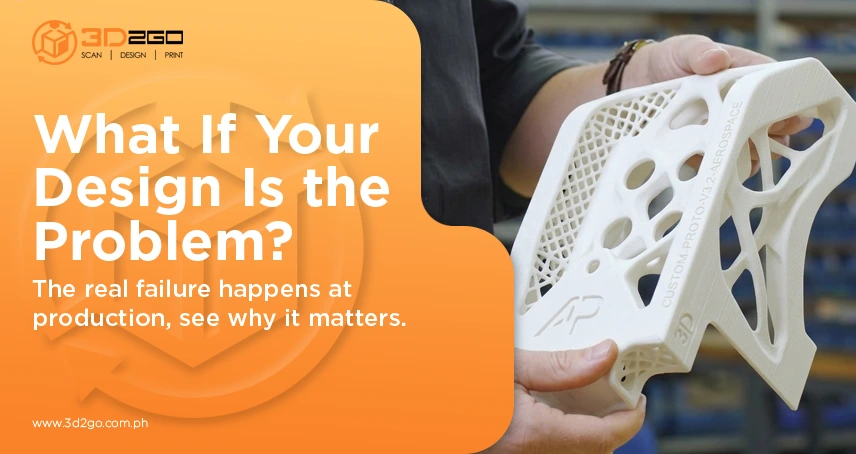
Custom parts manufacturing is rapidly transforming how modern industries design, test, and produce specialized components. From engineering to architecture and product design, businesses are shifting away from standard production methods toward digital, on-demand fabrication.
With advancements in 3D printing services in the Philippines and 3D scanning, companies can now create highly precise components tailored to exact requirements, rather than relying on mass-produced parts.
At its core, custom parts manufacturing is the process of turning digital designs, often created in CAD or 3D modelling software, into physical components that meet exact specifications. This shift is reshaping product development, allowing faster prototyping, improved accuracy, and more efficient production cycles across industries.
What Custom Parts Manufacturing Means Today
Unlike traditional manufacturing, which relies on fixed molds and large-scale production, custom parts manufacturing is flexible, digital-driven, and highly adaptive.
From Digital Design to Physical Output
Every project begins with a digital model. Engineers and designers create 3D Modelling files that define exact shapes, sizes, and functions. These files are then transformed into real-world objects using 3D printers.
This process enables the production of:
- Functional prototypes
- Engineering components
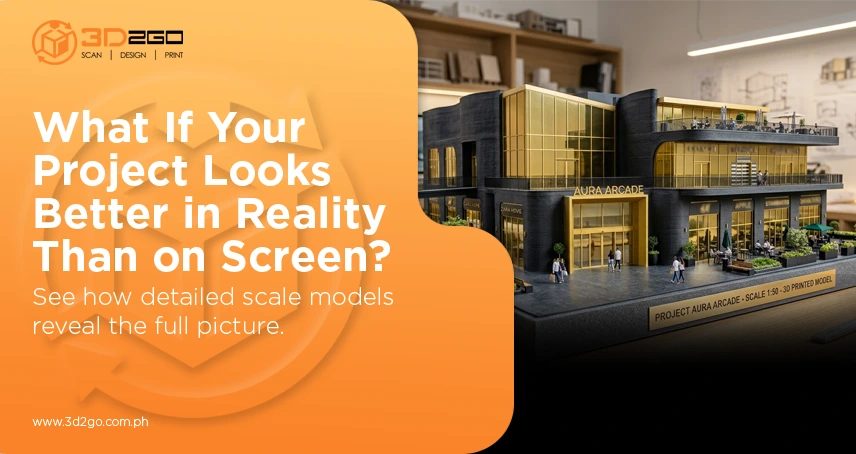
- Architectural scale models
- Visualization and presentation tools
Why Industries Are Shifting
The demand for customization is growing because industries now require:
- Faster production cycles
- Greater design flexibility
- Reduced material waste
- Lower development risks
This is where custom parts manufacturing becomes a strategic advantage rather than just a production method.
Core Technologies Driving Custom Manufacturing Growth
Modern fabrication relies on a combination of digital and physical technologies that work together seamlessly.
3D Printing and Rapid Prototyping
Rapid prototyping allows companies to turn ideas into physical models within hours or days. This drastically improves product development timelines by enabling fast iteration and testing.
Through 3D printing services in the Philippines, businesses can:
- Validate designs faster
- Reduce development costs
- Improve prototype accuracy
3D Scanning for Digital Accuracy
3D scanning captures real-world objects and converts them into precise digital models. This ensures that replicated parts maintain exact dimensions and structural integrity.
It is especially useful in:
- Architecture
- Engineering restoration
- Urban development modeling
How Custom Parts Manufacturing Supports Product Development
One of the biggest advantages of custom parts manufacturing is its impact on product development cycles.
Faster Iteration Cycles
Designers can test multiple versions of a product without waiting for full-scale production.
Reduced Production Risks
Early-stage physical prototypes help identify design flaws before mass manufacturing begins.
Better Team Collaboration
Physical models help engineers, designers, and stakeholders align faster on design decisions. This makes custom manufacturing a critical tool for innovation-driven industries.
Industry Applications of Custom Manufacturing
Engineering and Industrial Design
Used for machine parts, tooling components, and functional testing prototypes.
Architecture and Urban Planning
Used to create detailed scale models of buildings, infrastructure, and master plans.
Real Estate Visualization
Developers use physical models for presentations, investor pitches, and project approvals.
Across all sectors, custom parts manufacturing improves clarity, communication, and decision-making.
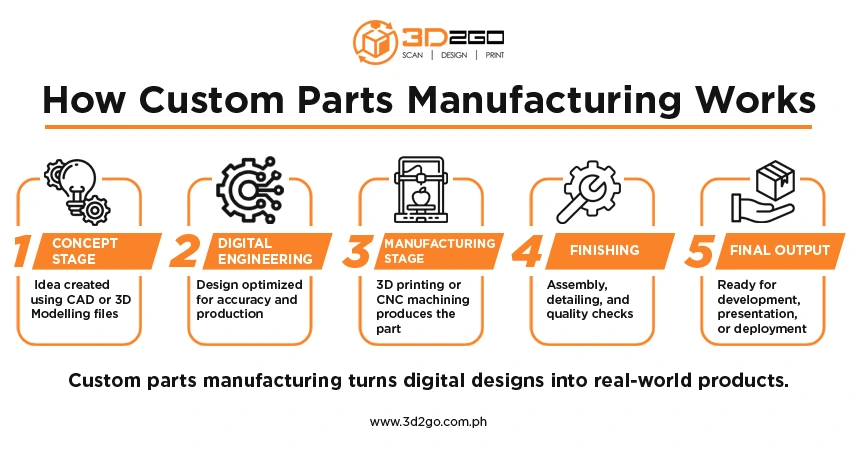
How the Custom Manufacturing Workflow Works
Step 1: Concept and Digital Design
Projects begin with CAD models or 3D Modelling files that define structure and purpose.
Step 2: Design Optimization
Engineers refine the design for manufacturability, ensuring accuracy and efficiency.
Step 3: Fabrication Using 3D Printing
The design is produced using additive or subtractive manufacturing methods, depending on requirements.
Step 4: Assembly and Finishing
Parts are cleaned, assembled, and refined for final use or presentation.
Step 5: Final Deployment
The finished model is used for prototyping, visualization, or stakeholder approval.
Key Benefits of Custom Parts Manufacturing
Faster Production Speed
Reduces turnaround time from weeks to days.
Higher Precision Output
Ensures components match exact design specifications.
Cost Efficiency for Small Runs
Eliminates expensive tooling and mold requirements.
Design Flexibility
Enables complex and unique structures that traditional manufacturing cannot easily produce.
Why 3D Printing Services in the Philippines Are Growing
The demand for 3D printing services in the Philippines continues to rise as industries adopt digital fabrication workflows.
Rise of Rapid Prototyping Needs
Companies need faster product validation to remain competitive.
Increased Accessibility of Digital Tools
3D printing and scanning technologies are becoming more widely available.
Integration into Product Development Pipelines
Digital fabrication is now a standard part of modern product development strategies.
According to Statista, the global additive manufacturing market is expected to nearly triple between 2020 and 2026, indicating strong global adoption of technologies such as custom parts manufacturing.
Future of Custom Parts Manufacturing
Hybrid Manufacturing Systems
The combination of 3D printing and scanning is becoming the industry standard.
Digital-to-Physical Workflows
End-to-end digital production pipelines are replacing traditional manufacturing stages.
Expansion Across Industries
Adoption is growing in healthcare, automotive, architecture, and industrial design.
Build Smarter with Custom Manufacturing Solutions
Custom parts manufacturing is no longer just a production method; it is now a strategic advantage for modern industries. It improves speed, enhances accuracy, reduces costs, and strengthens decision-making across teams.
For businesses looking to innovate and scale efficiently, custom manufacturing provides a direct path from idea to execution.
Start your project with 3D2GoPH.