

Why Model Car Diorama Builds Are Growing in the Collector Community
March 18, 2026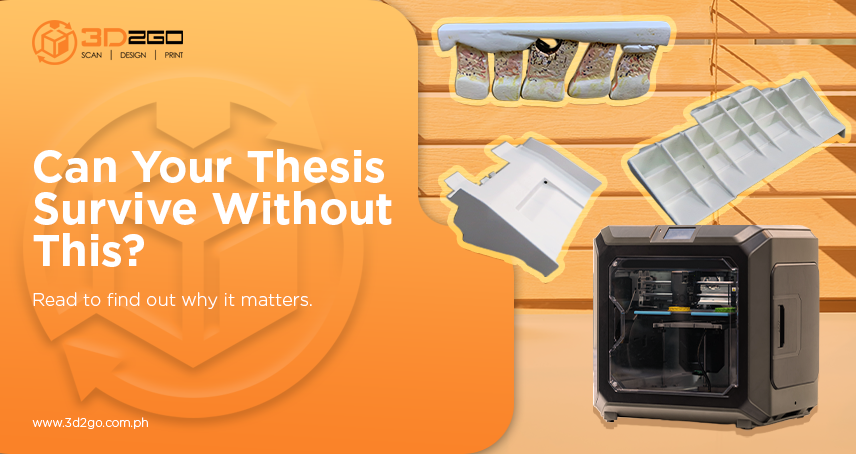
Learn why a strong thesis prototype is essential for demonstrating your design, functionality, and research concept during your final defense.
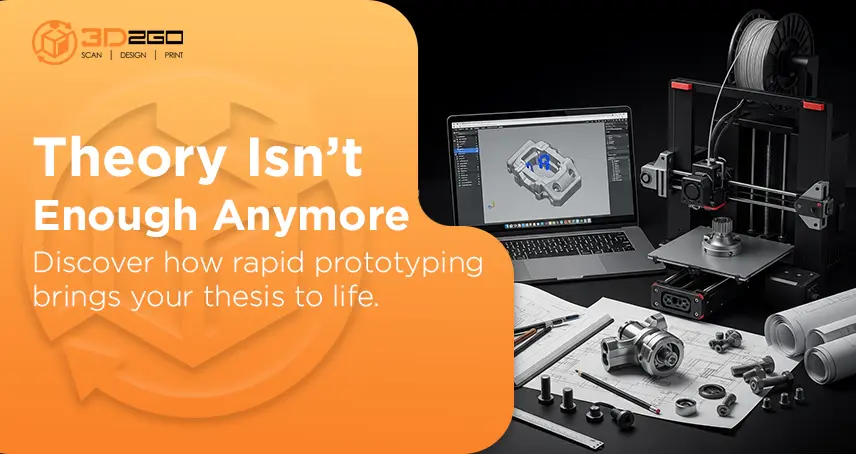
Walking into your thesis defense can feel like stepping into a courtroom; you’re on trial for your own idea. You’ve done the research, written the paper, and memorized your talking points. Yet, no matter how compelling your explanation is, sometimes words alone aren’t enough. That’s where a 3d printed prototype for thesis changes the game. It transforms your concept from abstract theory into something tangible, something your panel can see, touch, and interact with.
A strong thesis prototype doesn’t just support your defense, it anchors it. It’s the difference between the panel nodding politely and the panel being genuinely impressed.
What Exactly Is a Thesis Prototype?
At its core, a thesis prototype is a working or semi-working model of your project. It’s your idea made visible and functional, whether that’s a digital simulation, a 3D printed model, or a combination of both.
There are two main flavors:
- Low-fidelity prototypes: Quick sketches, diagrams, or basic mockups. They’re perfect for brainstorming, but rarely enough for the final defense.
- High-fidelity prototypes: Detailed and often functional models that allow the panel to see your concept in action. These are usually the centerpiece of a successful defense.
Think of it this way: slides tell, prototypes show. And showing often speaks louder than any explanation could.
Why a Thesis Prototype Can Make or Break Your Defense
Imagine this: two students present the same concept. One brings only slides, the other shows a working model. Which defense is more likely to leave an impression?
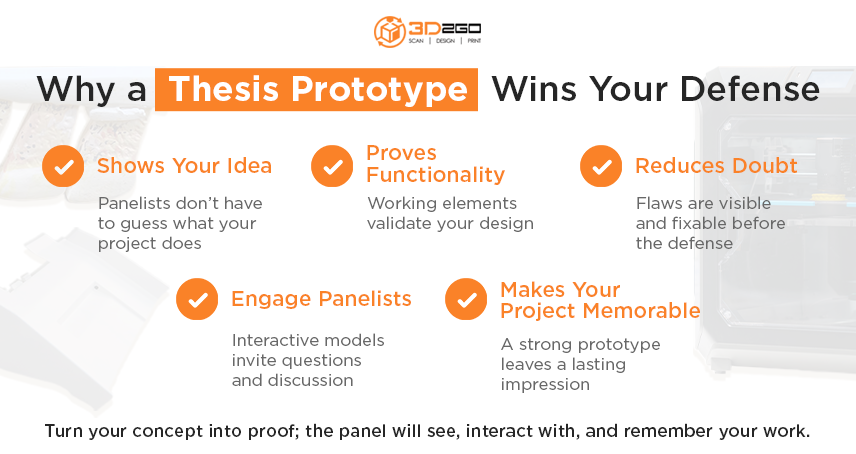
A thesis prototype bridges the gap between your explanation and reality. Here’s why it matters:
1. Removes Ambiguity
Panels don’t have to imagine how your project works; they can see it. Whether it’s a 3D printed device, an interactive app, or a small-scale system, a prototype translates theory into reality.
2. Instantly Boosts Credibility
A functional prototype screams, “I’ve done the work.” It shows that your project isn’t just a concept on paper; you’ve tested, refined, and validated it.
3. Engages Your Audience
Thesis defenses often follow a predictable script: slides, explanation, questions. A prototype breaks the pattern. It draws the panel in, invites questions, and encourages interaction.
4. Builds Confidence
When you know your idea works and can prove it, you present differently. You’re not just explaining; you’re demonstrating. That shift alone can make your defense more persuasive.
The Tangible Benefits of a Thesis Prototype
Building a prototype isn’t just about impressing your panel. It improves the project itself.
- Saves Time and Money: Early-stage testing reveals flaws before you invest heavily, potentially cutting development costs by up to 90%.
- Accelerates Iteration: Rapid testing and refinement help you polish your project faster.
- Reduces Risk: Identifying issues early prevents last-minute disasters and ensures a smoother defense.
- Improves Results: A project that’s tested and functional is easier to explain, easier to understand, and ultimately more convincing.
According to McKinsey & Company, businesses using rapid prototyping improve overall project outcomes and accelerate development cycles, a principle that applies just as well to student projects.
Types of Thesis Prototypes
Your prototype type depends on your project and timeline. Here’s a quick guide:
1. Low-Fidelity
- Quick sketches or mockups
- Useful for early testing and idea validation
2. High-Fidelity
- Detailed, often functional models
- Can include 3D printed parts, electronics, or complex interfaces
- Typically, the main feature in a defense
3. Digital Prototypes
- Software simulations or app mockups
- Useful for testing interaction or workflow
4. Physical Prototypes
- Tangible, touchable models
- Ideal for engineering, architecture, or product-focused theses
The right prototype depends on your subject, resources, and the points you need to communicate.
Prototyping Lessons From Industry
Your thesis prototype isn’t just academic; it mirrors real-world practice. Businesses prototype everything before scaling:
- Chatbots: AI-driven test models for interaction
Knowing that your work reflects actual professional practice adds credibility and perspective.
Current Trends in Prototyping
Prototyping isn’t static; it’s evolving quickly:
- AI-Driven Tools: Rapid creation, build-test-iterate cycles, and even design suggestions
- Hybrid Digital-Physical Models: Combine software simulations with tangible elements
- Rapid Fabrication: Affordable 3D printing and automated tools make high-quality prototypes accessible, even under tight deadlines
These trends mean students can now create prototypes that are both sophisticated and functional without needing industry-level budgets or equipment.
Tips for a Winning Thesis Prototype
- Start Early: Prototyping takes time; don’t leave it to the last week.
- Focus on Clarity: The goal is to communicate your idea, not achieve perfection.
- Test It: Let classmates or mentors interact with it first. If they’re confused, so might your panel be.
- Align With Your Thesis: Every feature should support your research objectives.
- Use Professional Help If Needed: Services like 3D2GoPH can turn your concept into a precise, polished prototype.
Make Your Thesis Visible and Memorable
A strong thesis prototype does more than complement your final defense; it defines it. It removes doubt, demonstrates functionality, and gives your panel something tangible to evaluate. With a well-crafted prototype, you’re not just telling your story, you’re showing it.
Investing time and effort into a high-quality prototype isn’t just smart. It can be the difference between a decent defense and a compelling, memorable one.
Ready to make your thesis unforgettable? Contact 3D2GoPH to bring your concept to life with a professional 3D-printed prototype.