

Custom Christmas Cake Toppers: Boost Holiday Sales for Philippine Pastry Businesses
December 15, 2025
How 3D Scanning Helps Filipinos Digitize Personal Collections for the Year Ahead
December 22, 2025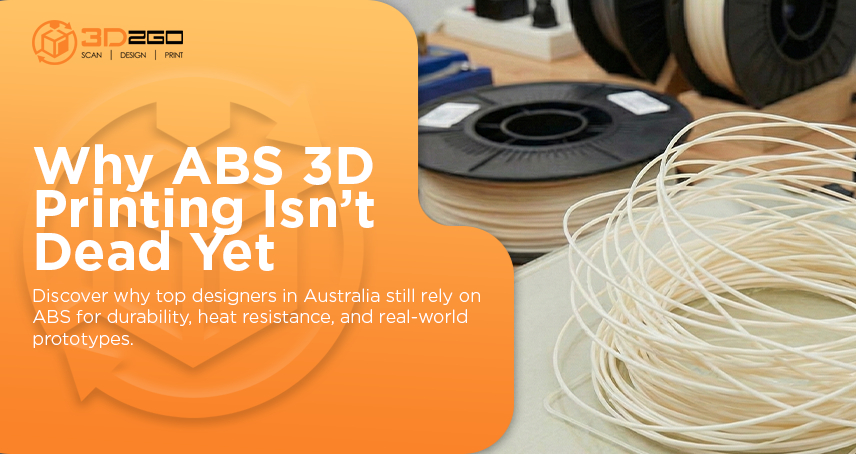
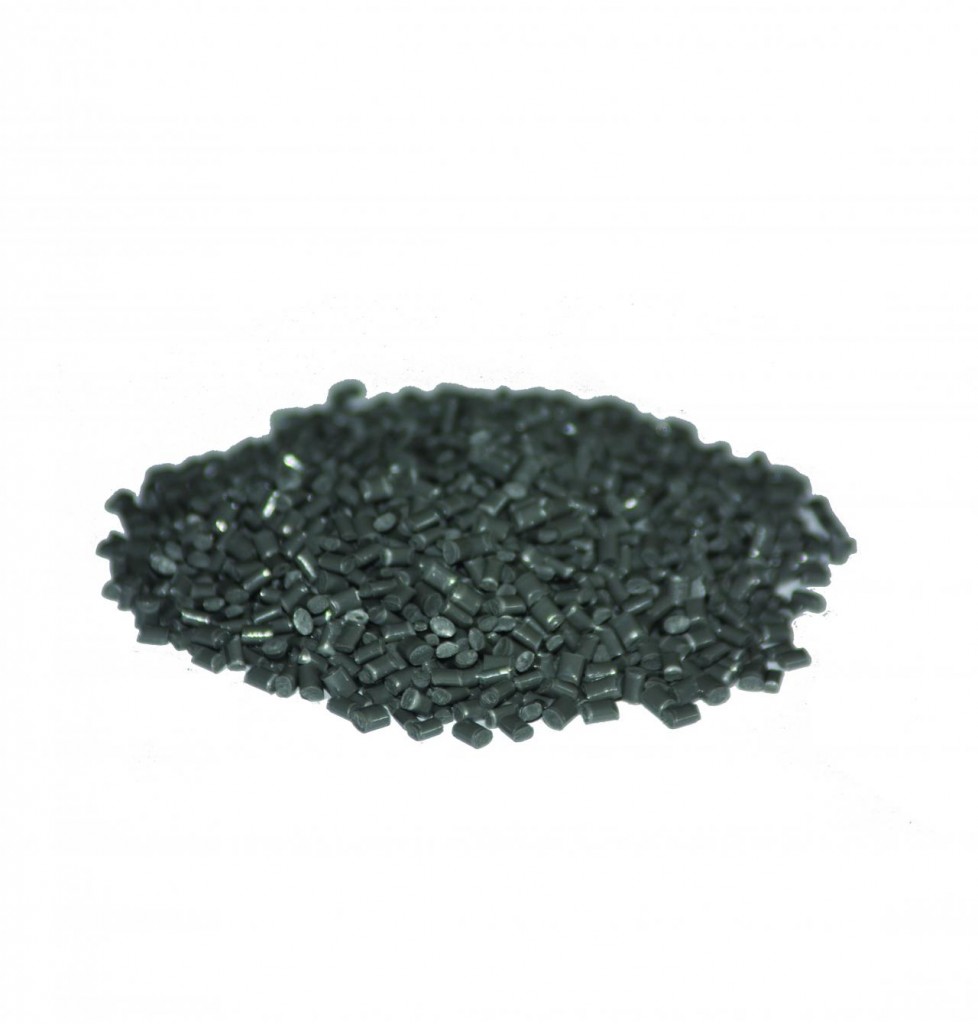
If you’ve ever worked with ABS 3D printer filament, you already know it’s not the easiest material to handle, but there’s a reason designers keep coming back to it. ABS has been around for decades, quietly doing the heavy lifting in products that need to last. Think automotive interiors, appliance housings, and durable consumer goods. It’s not flashy, but it’s dependable.
For Australian makers and product designers, ABS 3D printing remains a practical choice when strength, heat resistance, and real-world use matter more than quick turnaround. This guide outlines what ABS excels at, where it struggles, and why it remains a significant factor in modern product development.
What Makes ABS Different From Other 3D Printing Materials
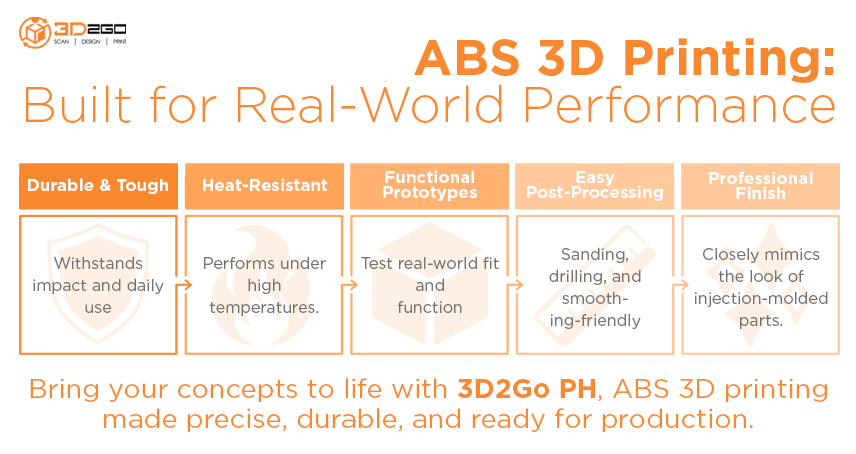
ABS, short for Acrylonitrile Butadiene Styrene, is a tough thermoplastic designed to take impact and pressure without cracking. That toughness is exactly why ABS 3D printing is often chosen for functional parts rather than decorative ones.
Unlike softer materials, ABS can handle higher temperatures and repeated use. It doesn’t deform easily and feels more like traditional molded plastic. For designers, that means prototypes behave more like final products, not fragile stand-ins.
In simple terms, ABS is the material you use when “good enough” isn’t good enough.
Why ABS 3D Printing Still Matters in Australia
Australia’s climate, combined with growing demand for locally tested products, makes material choice especially important. Parts exposed to heat, electronics, or mechanical stress must withstand these conditions over time.
This is where ABS 3D printing earns its place. ABS performs well in warm environments and doesn’t soften as quickly as PLA. It’s also easier to sand, drill, or chemically smooth, which helps designers refine both form and function.
For Australian startups, engineers, and independent makers, ABS offers a balance of durability and flexibility without resorting to expensive manufacturing methods.
Where ABS Fits Best in Product Design
ABS shines when used for:
- Functional prototypes that need real-world testing
• Product housings and enclosures
• Mechanical parts that experience movement or friction
• Custom tools, fixtures, and brackets
Because ABS 3D printing produces parts closer to injection-molded plastics, it’s especially useful during late-stage prototyping. Designers can test fit, assembly, and usability with more confidence before committing to mass production.
The Trade-Offs: What to Know Before Choosing ABS
ABS isn’t perfect, and pretending otherwise only leads to frustration.
It requires controlled printing conditions. Warping can occur if temperature changes too quickly, and fumes indicate the need for proper ventilation. That’s the trade-off for strength and heat resistance.
For designers who don’t want to wrestle with settings and enclosures, professional ABS 3D printing services remove that friction. You still get the benefits of the material—without the trial-and-error.
ABS vs PLA and PETG: A Practical Comparison
PLA is popular because it’s easy to use. PETG is flexible and moisture-resistant. But when it comes to structure and long-term use, ABS 3D printing still stands apart.
PLA softens under heat and cracks under stress. PETG bends more, which isn’t always ideal for rigid components. ABS remains firm, retains its shape, and resists wear over time.
For designers building parts that need to “just work,” ABS is often the safer bet.
ABS for Small-Batch Production and Custom Parts
Beyond prototypes, ABS 3D printing works well for small production runs. When injection molding isn’t yet cost-effective, ABS allows designers to produce limited quantities without significant upfront investment.
This is especially useful for:
- Niche consumer products
• Replacement components
• Custom-fit parts
• Market testing before scaling
It gives businesses room to adapt without locking themselves into rigid manufacturing processes.
Industry Adoption and Long-Term Relevance
ABS isn’t fading out; it’s evolving alongside the industry. According to Statista, the global 3D printing market is expected to exceed USD 40 billion by 2027, driven primarily by industrial and functional applications rather than hobbyist printing. That growth reflects continued demand for materials like ABS that deliver performance, not just convenience.
As product development leans more toward real-world applications, ABS 3D printing remains part of that foundation.
Choosing the Right Partner for ABS 3D Printing
Material choice is only half the equation. Print quality, consistency, and finishing matter just as much. Working with experienced providers ensures ABS parts are printed under the right conditions, with fewer defects and better overall results.
For designers who value accuracy and durability, professional ABS 3D printing support makes the process smoother from concept to final output.
Why ABS Still Deserves a Place in Your Workflow
ABS may not be trendy, but it’s reliable, and reliability is what turns ideas into usable products. For Australian makers and product designers, ABS 3D printing offers strength, flexibility, and real-world performance that many materials can’t match.
If you’re developing functional parts and want results that reflect professional standards, 3D2Go PH provides dependable 3D printing solutions built around material expertise and consistency. When you’re ready to move from testing to execution, having the right partner makes all the difference.