
Build Smarter Robots with 3D Printed Robot Parts
February 9, 2026
The Rise of Custom Figure Models in the Philippines
February 11, 2026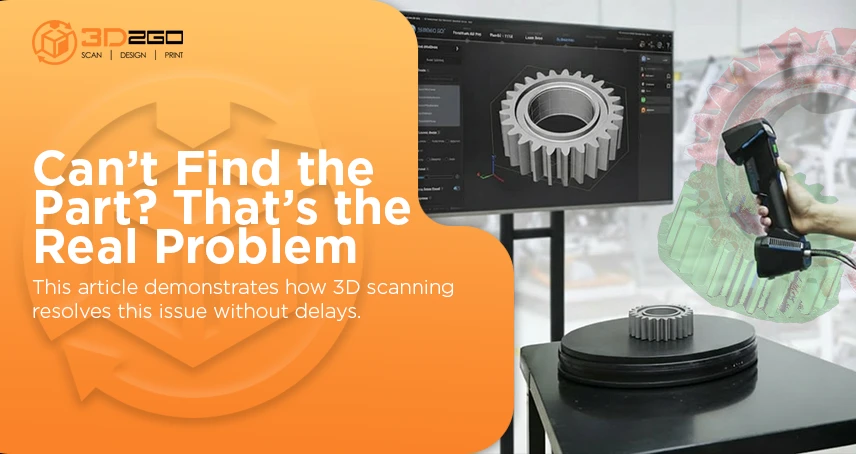
Sourcing replacement parts shouldn’t feel like detective work, but for many businesses, it does. One missing component can stall production, delay repairs, or force teams into costly workarounds. When catalogs come up empty and suppliers shrug, 3D parts scanning opens a door that didn’t exist before.
Instead of chasing discontinued components or waiting months for overseas shipments, companies are now turning physical parts into digital assets. With 3D scanning spare parts services, even worn, damaged, or obsolete components can be recreated with surprising accuracy and speed.
Why Spare Parts Are Getting accHarder to Find
Machinery today lasts longer than ever. That sounds like good news until something breaks, and the part you need hasn’t been manufactured in years.
This problem shows up across industries:
- Older machines are still doing critical work
- Imported equipment with limited local support
- Custom-built components with no drawings
- Suppliers phasing out low-volume parts
That’s why 3d scanning spare parts isn’t just a technical upgrade, it’s a practical response to a real operational problem.
What 3D Scanning Spare Parts Actually Does
At its simplest, 3d scanning spare parts means capturing the exact shape of an existing component and converting it into a usable digital model.
Using high-precision scanners, technicians record the geometry of a physical part. That scan becomes a 3D file that can be:
- Reproduced through 3D printing
- Machined using CNC processes
- Modified for better fit or durability
- Stored for future replacements
No original drawings required. No dependency on the original manufacturer. Just a clear digital reference you can use again and again.
Why Businesses Are Choosing 3D Scanning Over Traditional Sourcing
Companies don’t switch methods unless there’s a strong reason. In this case, there are several.
Faster Turnaround When Time Matters
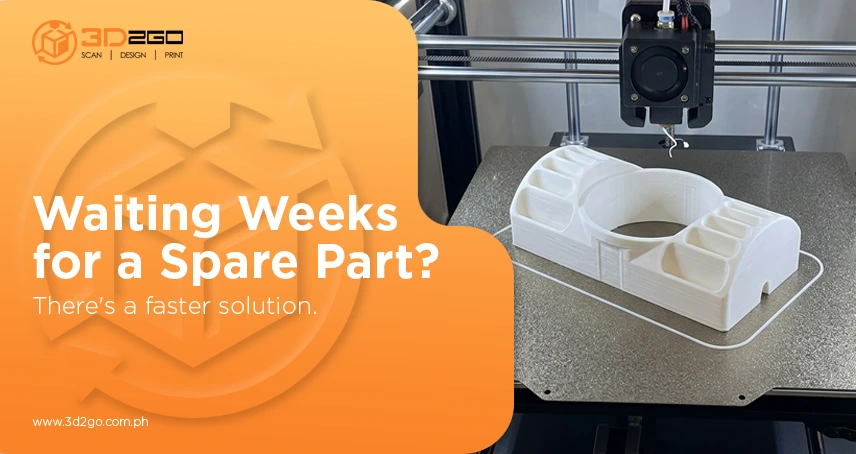
Waiting weeks or months for a spare part isn’t always realistic. 3D scanning spare parts shortens the path from problem to solution by leveraging existing inventory.
Freedom from OEM Limitations
When original manufacturers discontinue parts, options disappear fast. Scanning restores flexibility by enabling businesses to manage their own replacements.
Accuracy Without Guesswork
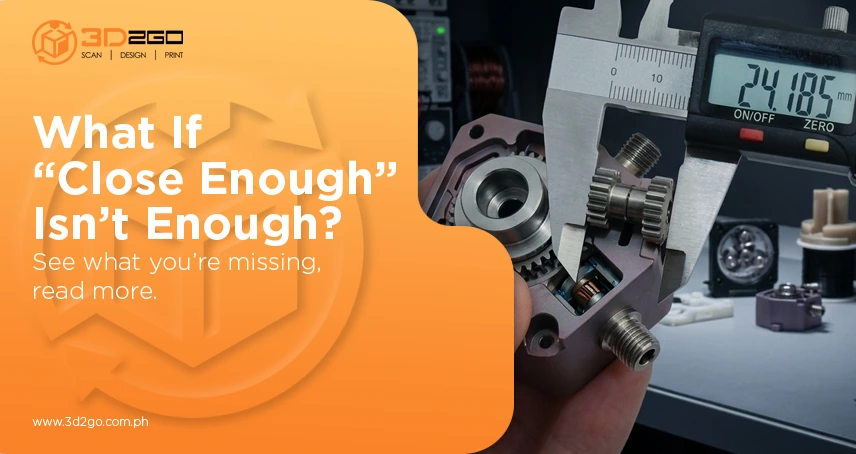
Even complex shapes and tight tolerances can be captured accurately, making 3d scanning spare parts reliable for functional components, not just visual ones.
Room for Improvement
Once a part is scanned, it doesn’t have to stay the same. Weak points can be reinforced. Materials can be upgraded. Small design tweaks can extend lifespan.
Where 3D Scanning Spare Parts Makes the Biggest Impact
Not every industry struggles with spare parts in the same way, but some face greater pressure than others.
- Manufacturing – gears, brackets, housings, tooling parts
- Energy and utilities – valves, connectors, custom fittings
- Construction equipment – mechanical components under heavy wear
- Transportation – legacy vehicle parts, interior fixtures
- Facilities management – discontinued hardware and fixtures
In many cases, replacing an entire machine because of a single unavailable part simply doesn’t make sense. 3d scanning spare parts keeps assets running longer and more efficiently.
From Physical Part to Functional Replacement
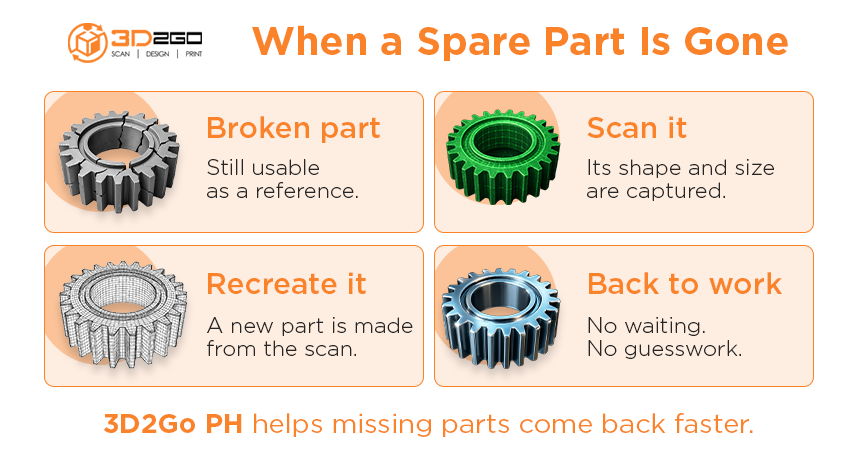
One reason 3d scanning spare parts keeps gaining traction is that the process is straightforward and repeatable.
First, the physical part is inspected. Even damaged pieces can usually be scanned, provided the original geometry is still readable. The scanning phase captures every curve, edge, and surface detail. From there, the digital model is cleaned and refined until it’s ready for production.
Once approved, the part can be manufactured using the most suitable method based on strength, material requirements, and usage conditions. Fit and function are verified before the part goes into service.
It’s not guesswork. It’s a controlled process.
Digital Inventory Instead of Physical Stock
Stocking spare parts “just in case” ties up storage space and capital. Many of those parts may never even be used.
With 3d scanning spare parts, businesses can create a digital inventory instead. Critical components are scanned once, stored as files, and reproduced only when needed. This approach reduces waste while keeping replacement options available.
For companies managing multiple machines or sites, that flexibility matters.
Accuracy That Holds Up in Real Conditions
A common question is whether scanned parts can really match the original performance.
Modern 3d scanning spare parts services combine high-resolution scanning with engineering review. This ensures tolerances, fits, and material choices align with how the part actually functions, not just how it looks.
In some cases, scanned replacements perform better than the originals due to improved materials or refined geometry.
Why Working with the Right Partner Matters
The technology is important, but experience makes the difference. Knowing how to scan complex parts, clean digital models properly, and choose the right production method is what turns a scan into a working solution.
That’s where 3D2GoPH comes in. With hands-on experience in scanning, modeling, and manufacturing workflows, the focus is on producing spare parts that perform in real-world conditions, not just on-screen.
For Philippine-based businesses, local 3d scanning spare parts services also mean faster communication and shorter turnaround times.
A Smarter Way to Keep Operations Moving
Hard-to-find parts don’t have to slow everything down. When sourcing hits a wall, 3D scanning spare parts provides teams with a practical way to move forward. Instead of waiting for discontinued stock or overseas suppliers, damaged or missing components can be quickly and accurately recreated, so work doesn’t have to stop.
3D2GoPH focuses on making spare parts scanning useful in real-world situations, without being overly technical or complicated. If you’re dealing with obsolete or unavailable parts, it’s time to look at a more flexible option, because downtime shouldn’t be the cost of parts that no longer exist.