
Speed Up Your Project Innovation with Rapid Prototyping Equipment
February 19, 2026
Restore Mobility with a Custom-Fit Prosthetic Designed for You
February 23, 2026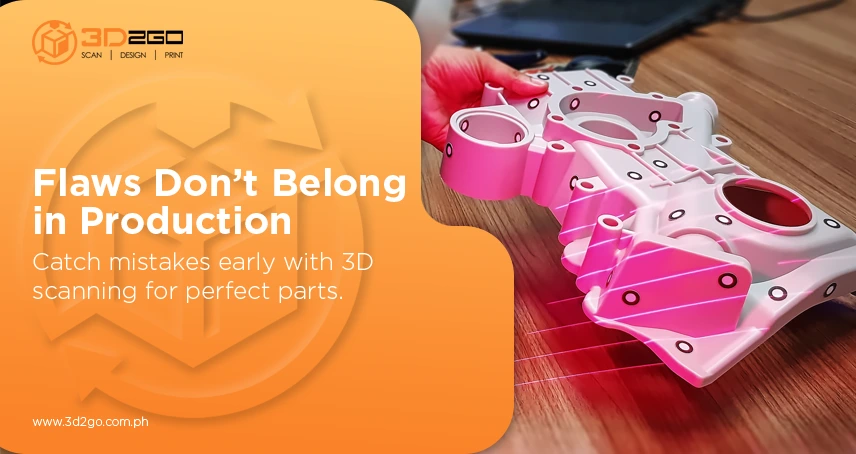
In manufacturing, precision isn’t negotiable; even a tiny misalignment can cause big headaches. That’s why many companies are relying on precision part scanning to verify every component before it hits the assembly line.
With 3d scanning for dimensional accuracy manufactured parts, engineers can capture the exact shape, size, and surface details of any component. This means fewer mistakes, less wasted material, and faster project timelines. Whether it’s a complex industrial part or a critical consumer component, scanning ensures your designs aren’t just theoretical, they’re production-ready.
What Is 3D Scanning for Dimensional Accuracy?
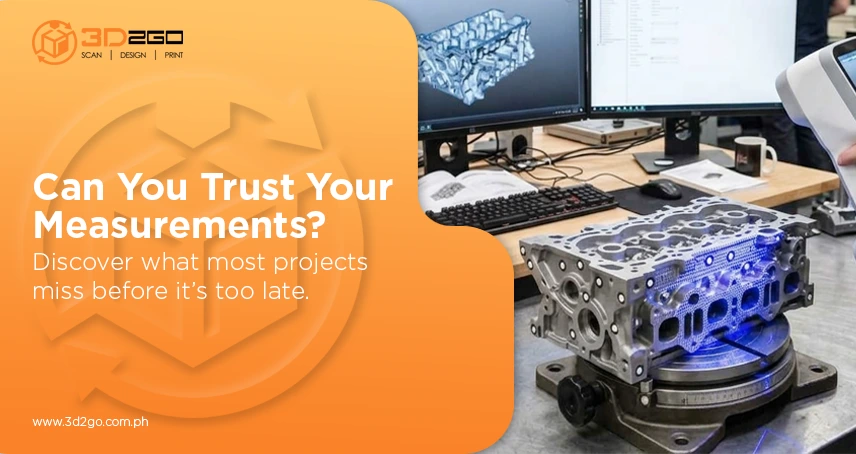
Simply put, 3d scanning for dimensional accuracy of manufactured parts creates a digital twin of your physical component. High-precision scanners capture every curve, hole, and surface nuance, producing a model that can be directly compared to the original CAD design.
With this digital model, teams can:
- Identify deviations before assembly.
- Reduce trial-and-error adjustments.
- Ensure parts meet strict tolerances every time.
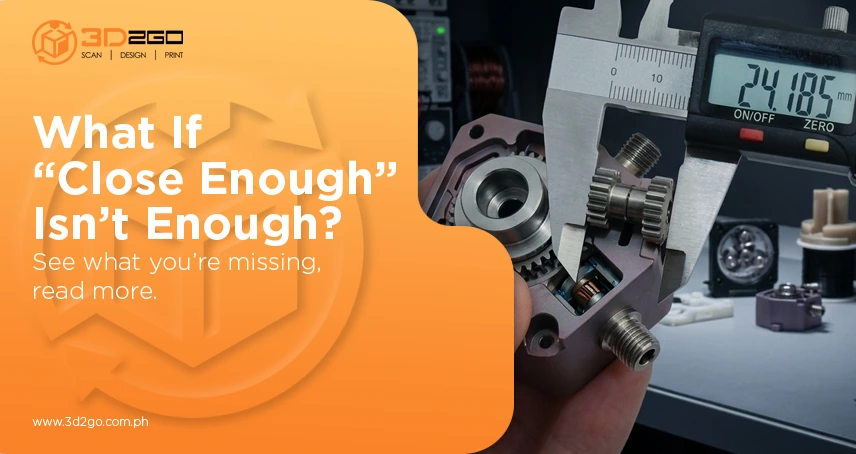
This approach replaces slow, error-prone manual checks and gives manufacturers confidence that each piece will fit and function as intended.
Why Accuracy Matters
Even small defects can ripple through production:
- Misaligned surfaces or holes can stall assembly.
- Scrap parts eat up budgets.
- Delays frustrate clients and slow the whole workflow.
How 3D Scanning Boosts Production
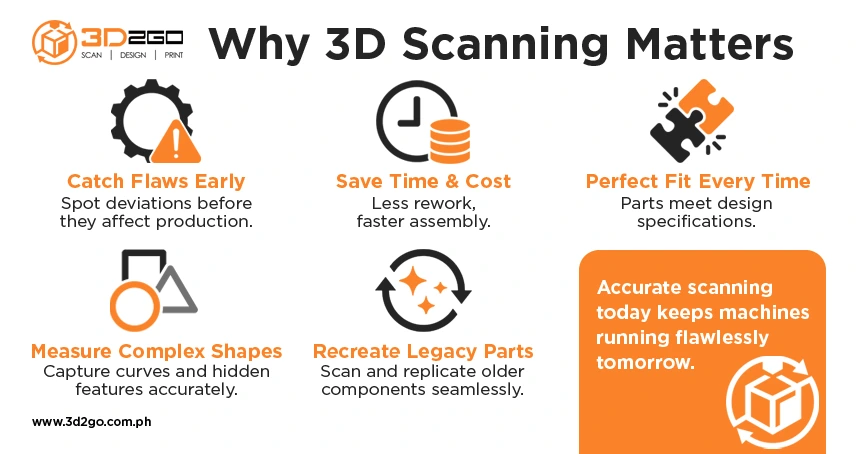
1. Spot Flaws Early
Catch deviations immediately to prevent downstream problems.
2. Save Time and Money
Reduce manual checks and costly rework.
3. Guarantee Perfect Fit
Compare every part to its CAD model to ensure consistency.
4. Handle Complex Designs
Scan curves, hidden features, and intricate geometries with ease.
5. Support Legacy Parts
Accurately replicate older components to keep machines running.
Common Applications
3d scanning for dimensional accuracy manufactured parts works across industries:
- Aerospace: Inspect engines and structural components.
- Automotive: Ensure panels, brackets, and assemblies meet strict tolerances.
- Industrial Machinery: Check shafts, gears, and couplings before integration.
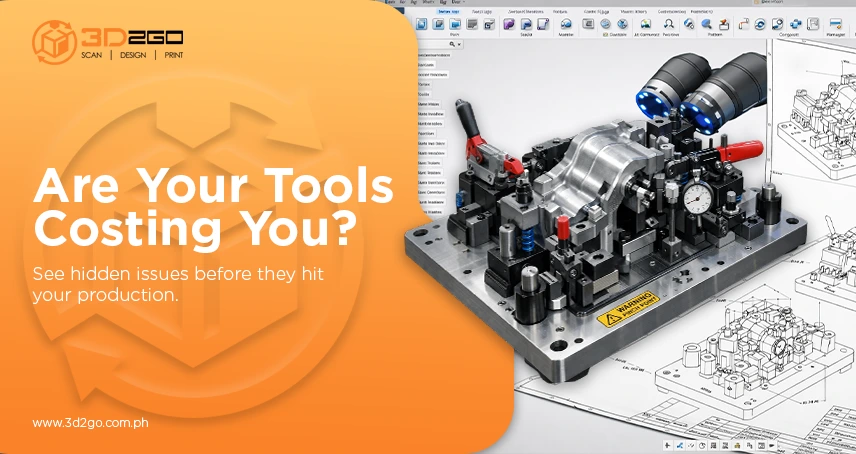
- Consumer Products: Confirm molds and tools produce consistent parts.
By scanning parts early, manufacturers can reduce defects, improve fit, and maintain high-quality standards.
Why Philippine Manufacturers Are Adopting 3D Scanning
Local manufacturers are quickly recognizing the value:
- Faster design feedback loops.
- Reduced reliance on external labs.
- Consistent quality for both local and export markets.
Using 3d scanning for dimensional accuracy manufactured parts, teams can iterate faster, minimize waste, and maintain global-quality standards without slowing down production.
How to Make It Work for Your Team
To maximize results:
- Choose the right scanner — match equipment to part size, complexity, and tolerance.
- Train your operators — skilled use ensures accurate scans.
- Scan early and often — integrate scanning at multiple stages for continuous quality control.
When done right, 3d scanning for dimensional accuracy manufactured parts becomes an essential part of your production workflow, not just an optional extra.
Take the Next Step
Don’t let misaligned or faulty parts slow your production. 3d scanning for dimensional accuracy manufactured parts is the fastest, most reliable way to catch errors before they cost time and money.
Partner with 3D2GoPh to streamline your quality control, reduce rework, and ensure every component fits perfectly.