

2026 Trends: How 3D Scanning Will Transform Philippine Manufacturing and Design
December 29, 2025
Why Australians Choose to Outsource 3D Modelling and Rendering Services for Personal Projects
January 5, 2026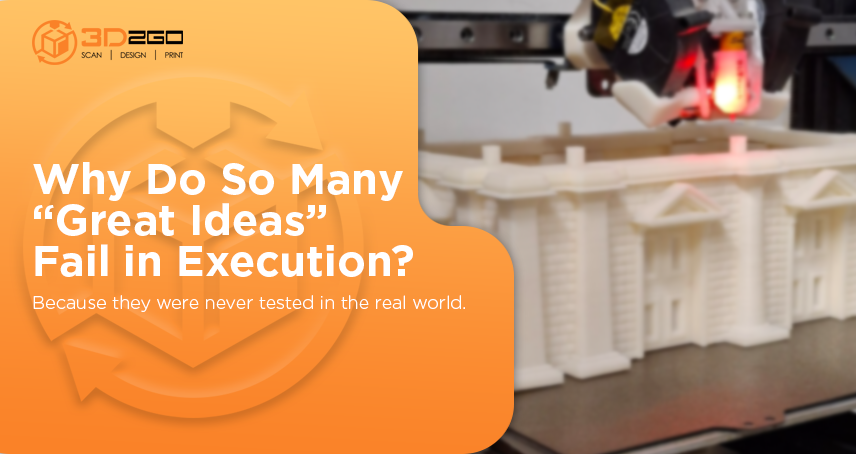
Great product ideas don’t fail because they lack creativity. Most fail because they take too long to test, cost too much to revise, or move forward without enough real-world feedback. That’s why more Filipino creators, founders, and product teams rely on professional 3D prototype development services to quickly turn concepts into tangible results.
Today, 3d rapid prototyping plays a central role in how products are designed, refined, and validated in the Philippines. It’s no longer a “nice-to-have” step. It’s part of how people reduce risk, save money, and make smarter decisions before production begins.
Why Rapid Prototyping Is Now a Standard Step
Product development used to follow a rigid path. Designs stayed on screens. Feedback stayed theoretical. Problems were discovered late, when fixing them was already expensive.
With 3d rapid prototyping, that process changes. Designs are tested early. Adjustments happen while they’re still affordable. Instead of waiting weeks to see if an idea works, teams can hold a physical version and assess it almost immediately.
This shift isn’t about speed alone. It’s about clarity. When you can touch a prototype, you stop guessing.
From Digital Concept to Physical Reality
There’s a big difference between seeing a design and experiencing it. On a screen, proportions can be misleading. Ergonomics can feel fine until you actually hold the object.
That’s where 3d rapid prototyping proves its value. It turns ideas into physical models that reveal flaws early and clearly highlight strengths.
Suddenly, decisions become easier:
- Does it feel right in the hand?
- Does the part fit where it’s supposed to?
- Does the design hold up under real use?
Those answers don’t come from assumptions. They come from testing.
Cost Control Through Early Testing
Many people assume prototyping adds cost. In reality, it often prevents far more expensive mistakes.
Traditional manufacturing usually requires tooling, molds, or bulk production before issues become apparent. If something needs to change at that stage, costs rise quickly. 3d rapid prototyping helps catch problems before that point.
How 3D Rapid Prototyping Is Used Today
In the Philippines, 3d rapid prototyping is used across industries, not just by large manufacturers, but by individuals and small teams who want to build smarter.
Product Design and Consumer Goods
Creators test size, shape, and usability before committing to production.
Custom Parts and Components
When off-the-shelf parts don’t exist, prototypes help validate fit and function.
Electronics and Casings
Designers test enclosure layouts, button placement, and internal clearances.
Creative and Functional Objects
Artists and makers refine both aesthetics and durability in parallel.
In many cases, the prototype itself becomes the blueprint for final production.
Better Feedback, Better Products
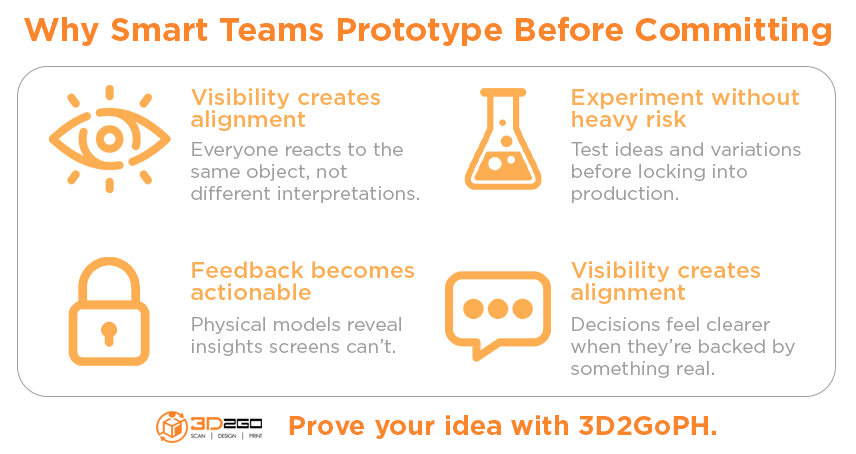
One of the most significant advantages of 3d rapid prototyping is the quality of feedback it generates. When stakeholders see a physical model, discussions become more specific rather than vague.
Instead of comments like “Something feels off,” feedback becomes actionable:
- This edge needs softening
- This part needs reinforcement
- This section feels too bulky
That level of clarity leads to faster refinement and stronger final outcomes.
Why Local Prototyping Makes a Difference
Working with a local provider matters. Communication is quicker. Adjustments don’t take weeks. Iterations feel manageable instead of frustrating.
A reliable prototyping partner doesn’t just produce what’s sent; they help identify material considerations, tolerances, and design details that affect real-world performance. That insight saves time and avoids unnecessary trial and error.
For many Philippine-based creators, that hands-on collaboration is what keeps projects moving forward.
Making Prototyping Part of the Process
The most effective teams don’t wait for a design to be “perfect” before prototyping. They prototype early, revise often, and test continuously.
3d rapid prototyping supports that mindset. It allows ideas to evolve naturally instead of being locked in too soon. And when it’s time to move toward production, decisions feel informed—not rushed.
Build First, Assume Less
Product development doesn’t need to be a guessing game. 3D rapid prototyping enables creators to test ideas early, refine designs with confidence, and move forward knowing their decisions are grounded in real-world feedback.
If you’re developing a product, improving a design, or validating an idea, working with a dependable local partner makes the process smoother and more efficient. 3D2GoPH supports builders with practical guidance, consistent quality, and prototype solutions designed for real use, not just presentation.