

Why Australians Choose to Outsource 3D Modelling and Rendering Services for Personal Projects
January 5, 2026
Custom 3D Print Jig Fixtures for PH Factories and Assembly Lines
January 12, 2026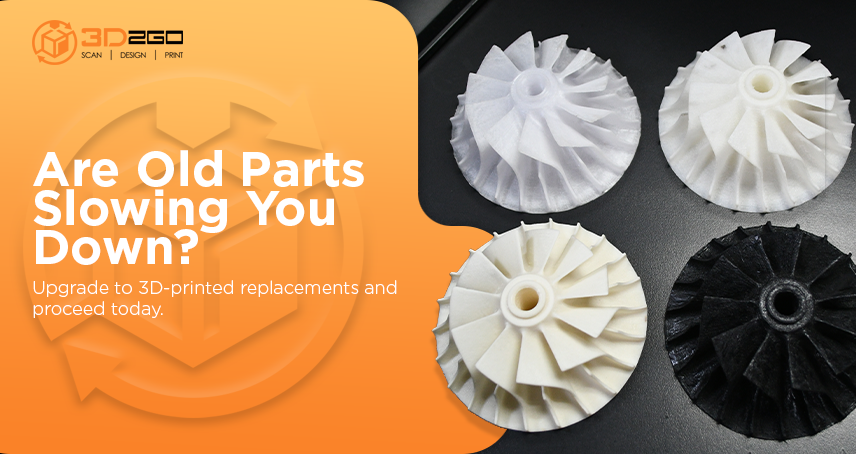
Unexpected downtime is rarely dramatic, but it’s always expensive. A single broken component can quietly stall production, disrupt schedules, and create ripple effects across operations. That’s why more Singapore-based companies are rethinking how they source replacement components. Instead of relying on rigid OEM supply chains, many now source 3D-manufactured parts through affordable 3D printing services in the Philippines.
This shift isn’t about cutting corners. It’s about gaining speed, flexibility, and control. 3d printed replacement parts are no longer viewed as temporary fixes. For many organizations, they’ve become a smarter, long-term alternative to original equipment manufacturer parts.
The Limitations of OEM Replacement Parts
OEM parts are designed for mass production, not for urgent production. While they work well in ideal conditions, they often fall short when businesses need fast solutions. Long lead times, overseas shipping, and strict minimum order quantities can turn a simple repair into weeks of downtime.
There’s also the issue of aging equipment. Once a model is discontinued, OEM parts can become difficult or impossible to source. Companies are then left with two options: replace an entire system or find an alternative. This is where 3d printed replacement parts offer a practical way forward.
Instead of waiting for factory availability, teams can reproduce or redesign components based on actual usage needs.
Why 3D Printed Replacement Parts Are Becoming the Preferred Option
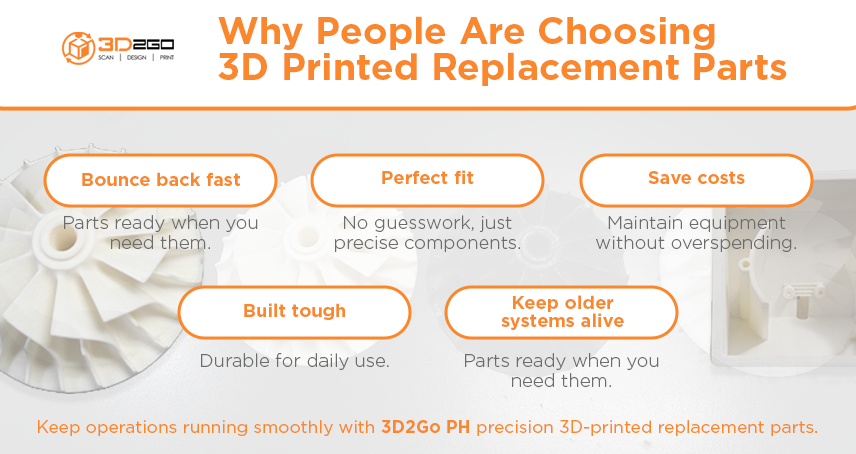
The real strength of 3d printed replacement parts lies in how they’re made. Digital production removes the need for molds, tooling, or bulk inventory. Parts are produced only as needed, reducing waste and accelerating delivery.
More importantly, digital designs allow for improvement. Components can be reinforced, resized, or adapted to fit updated systems. This flexibility makes replacement parts more than just substitutes—they become upgrades.
Companies benefit from:
• Faster turnaround times
• Lower upfront costs
• Reduced inventory storage
• Greater design control
These advantages make 3D printed replacement parts especially useful in maintenance-intensive environments.
Why Outsourcing Beats In-House Printing
While desktop 3D printers are widely available, producing reliable 3d printed replacement parts requires more than basic equipment. Material selection, printer calibration, structural integrity, and finishing all affect performance.
Outsourcing allows companies to avoid trial and error and work with specialists who already understand these variables. Instead of investing in machines, training, and quality testing, teams gain access to professional-grade production that delivers consistent results.
This approach minimizes risk and ensures parts are ready for real-world use, not just visual fit.
A Growing Global Shift Toward Additive Manufacturing
This sourcing shift reflects a larger global trend. Companies are adopting it not just for innovation, but for resilience.
For Singapore organizations, this reinforces the role of 3D printed replacement parts as a strategic tool to reduce dependence on traditional suppliers while maintaining operational continuity.
Where 3D Printed Replacement Parts Deliver the Most Value
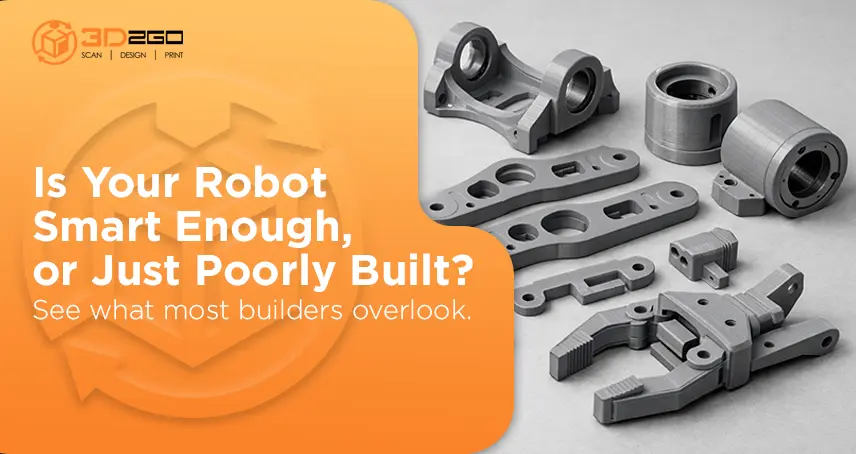
Across industries, 3D printed replacement parts are commonly used for components that experience frequent wear or are difficult to source from OEMs. These include brackets, housings, mounts, covers, and internal fixtures.
In equipment-heavy operations, these parts help extend asset lifespan without major capital investment. Instead of replacing entire systems, companies replace only what’s necessary, when it’s necessary.
This targeted approach keeps costs predictable and downtime minimal.
Quality Depends on Execution, Not the Method
A common misconception is that OEM parts are always superior. In reality, performance depends on how a part is designed and produced. Professionally made 3D-printed replacement parts use materials selected for strength, heat resistance, and durability.
When handled by experienced providers, these parts are tested for fit, function, and longevity. The result is a component that performs reliably under daily operational stress.
Why the Philippines Is a Strategic Production Partner
Many Singapore companies choose to source 3d printed replacement parts from the Philippines for practical reasons. Skilled technical teams, efficient communication, and competitive pricing make cross-border collaboration seamless.
Providers like 3D2GoPH specialize in producing functional replacement parts that meet operational standards without unnecessary complexity or delay.
Smarter Replacement Strategies Start Here
Replacement parts aren’t just operational necessities. They influence uptime, productivity, and long-term cost control. By choosing 3d printed replacement parts, companies gain flexibility without sacrificing reliability.
This approach allows teams to respond quickly, adapt designs, and keep systems running efficiently.
Move Forward with Confidence
When long lead times, discontinued OEM parts, or rising maintenance costs start affecting daily operations, it’s time to consider a more flexible approach. Reliable alternatives help teams stay productive without waiting on traditional supply chains.
3D2GoPH provides professionally produced 3d printed replacement parts built for performance, accuracy, and fast turnaround, so operations keep moving without unnecessary delays.