

Laser Scanning Technology Ensures Accurate 3D Data Capture
April 9, 2026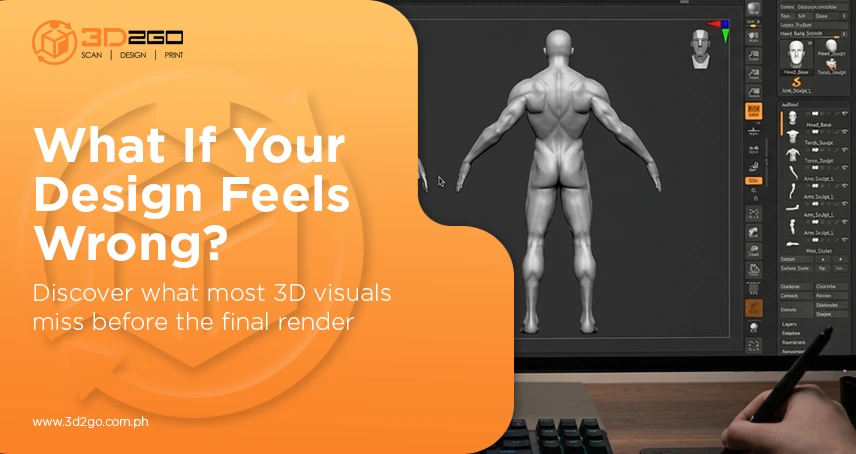
Some visuals look impressive at first glance, but don’t quite hold up when you look closer. That disconnect usually starts at the foundation.
In projects where presentation matters, such as real estate, tourism and urban planning, people aren’t just looking at designs. They’re trying to understand how a space feels, how it works, and how people fit into it. That’s where digital character modeling comes in. With solutions like Teams, teams can move beyond static visuals and create scenes that actually make sense.
At the center of it all is the 3d realistic character model base. It’s not flashy. It’s not the final output. But it quietly determines whether everything else works.
What a Character Model Base Really Does
Strip away the textures, lighting, and styling, and what you’re left with is the base.
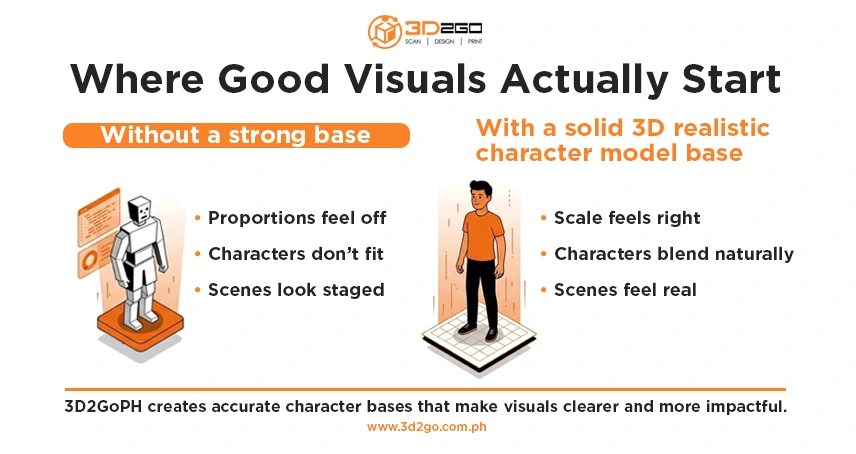
A 3d realistic character model base is the structure that defines how a character exists in a scene, its proportions, posture, and physical presence. It’s the difference between something that looks believable and something that feels slightly off, even if you can’t explain why.
At this stage, the focus is simple but critical:
- Does the scale feel right?
- Does the posture look natural?
- Does the silhouette make sense in context?
If the answer is no, adding more detail won’t fix it. It’ll just make the problem harder to spot and harder to correct later.
Why This One Step Changes the Entire Output
Here’s the thing: most teams don’t realize that people don’t analyze visuals logically; they react to them.
A strong 3d realistic character model base makes a space feel right almost instantly. You don’t have to explain scale or usability. It’s already there.
It also removes friction in decision-making. Instead of debating abstract ideas, stakeholders can react to something tangible. That usually shortens feedback loops and cuts down unnecessary revisions.
And when visuals feel lived-in rather than staged, they tend to land better, especially in presentations meant to persuade.
Where This Makes a Real Difference
You’ll see the impact of a 3d realistic character model base most clearly in projects where visuals drive decisions.
Real Estate
Empty spaces are hard to sell.
When realistic characters are placed within a scene, the space starts to feel usable. Buyers can picture movement, interaction, even lifestyle. That shift—from empty to occupied—changes how people respond.
Tourism
A destination without people feels incomplete.
Adding a 3d realistic character model base introduces energy. It shows how people move, explore, and experience the environment. That emotional layer makes the visual more persuasive.
Urban Development
Planning isn’t just about structures; it’s about behavior.
Character models help simulate how people interact with spaces, from foot traffic to public flow. According to Deloitte, digital visualization tools are becoming essential for planning and simulating real-world environments more effectively.
The Workflow Behind It
A reliable output doesn’t happen by chance; it follows a process.
It usually starts with references and direction. What kind of character is needed? Where will it be used? What’s the context?
From there, the base for the 3D realistic character model is built. This is where proportions and structure are set in stone.
Once that’s approved, refinement begins, details, textures and lighting. Finally, the model is ready for use, whether in a presentation, animation, or walkthrough.
Here’s the catch: if the base is rushed, every step after that becomes harder.
Fewer Revisions Start Here
Most delays in design projects don’t come from big mistakes. They come from small issues that snowball.
A slightly off proportion. A pose that doesn’t feel natural. A mismatch between character and environment.
These things don’t always stand out immediately, but they show up during reviews.
A well-built 3d realistic character model base catches those issues early. It gives teams something solid to work from, reducing surprises later.
And fewer surprises usually mean faster approvals.
Not All Methods Deliver the Same Results
There are a few ways to create a character base, but they’re not equal in flexibility.
3D modeling from scratch gives full control. Every detail can be tailored to the project, making it ideal for business use.
3D scanning captures real-world subjects, which helps with realism but often needs cleanup.
3D printing turns digital models into physical forms, mostly for display or presentation.
For most visualization projects, especially those that require customization, digital modeling remains the most practical approach for building a realistic 3D character model base.
Why Quality at the Start Saves Time Later
It’s tempting to move quickly at the beginning, especially when timelines are tight.
But a weak base almost always leads to more work down the line.
A poorly built 3d realistic character model base can throw off scale, disrupt realism, and affect how the entire scene is perceived. Fixing those issues later isn’t just time-consuming; it’s costly.
On the other hand, getting it right early keeps everything aligned.
It’s one of those decisions that doesn’t seem urgent, but ends up affecting everything.
The Demand for Better Visuals Is Growing
Expectations around visual content have changed.
According to research, the global 3D visualization and rendering market is projected to grow significantly, reaching $9.61 billion by 2030. That growth reflects how much industries now rely on clear, immersive visuals to communicate ideas.
And as more businesses invest in 3D, the quality standard rises, too.
A strong 3d realistic character model base isn’t just a technical detail anymore, it’s part of what makes a visual effective.
What to Look for in a 3D Modeling Partner
If you’re planning to invest in this kind of work, it’s worth looking beyond surface-level output.
A reliable partner should understand more than just modeling—they should understand context.
Look for:
- Accurate proportions and realistic scaling
- A structured workflow from base to final output
- Awareness of how visuals are used in business settings
- Consistency across different scenes and applications
Because in the end, the goal isn’t just to create something that looks good, it’s to create something that communicates clearly.
Turn Visual Concepts Into Something People Can Actually Understand
A strong concept only works if people can grasp it quickly.
That’s exactly what a well-built 3d realistic character model base helps achieve. It grounds your visuals in reality, making them easier to interpret, evaluate, and trust.
It’s not about adding more detail; it’s about getting the foundation right.
3D2GoPH focuses on building character models that don’t just look accurate, but feel right in real-world applications.