

Why Model Car Diorama Builds Are Growing in the Collector Community
March 18, 2026
Why a Strong Thesis Prototype Can Make or Break Your Final Defense
March 23, 2026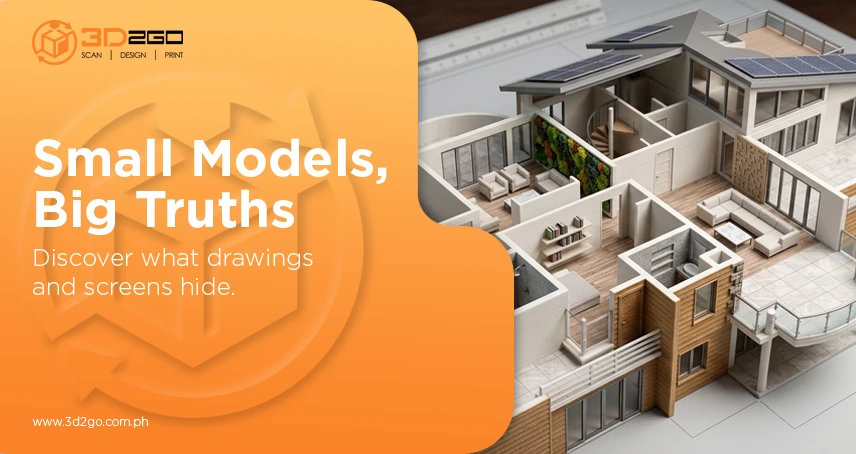
Understand how miniature scale models help stakeholders visualize designs, layouts, and planning details for large projects.
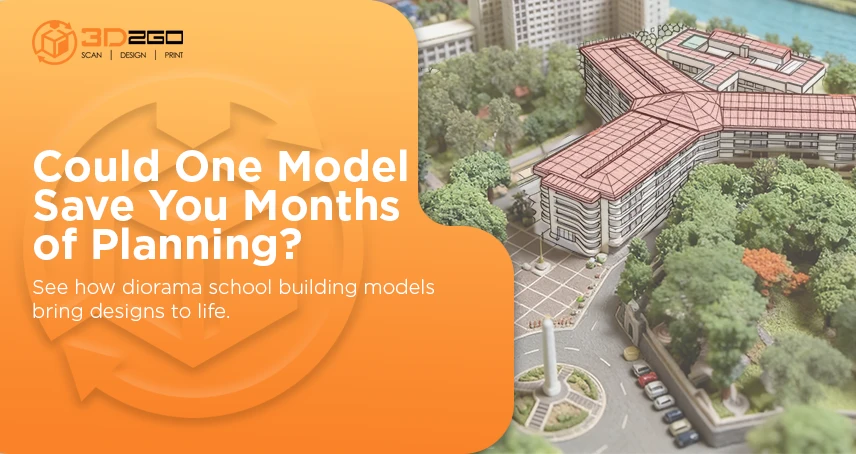
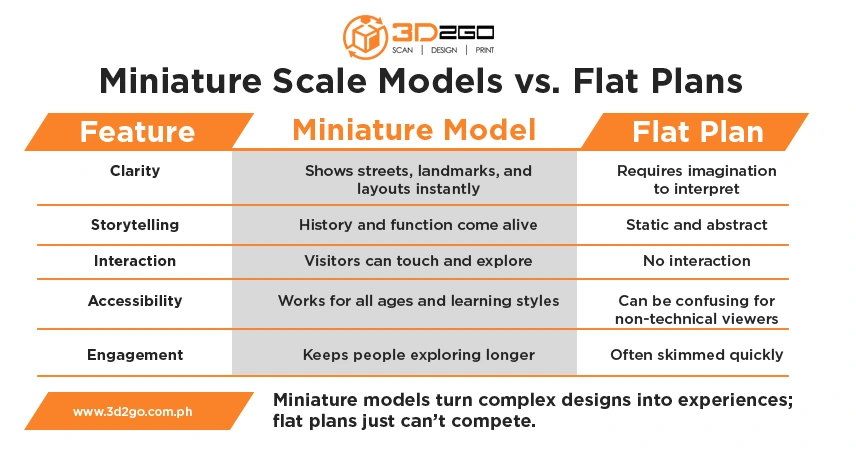
When it comes to presenting large-scale developments, nothing beats the clarity of a physical, custom scale model. Digital screens and flat plans can only do so much, your brain still has to translate lines into reality. A miniature model, on the other hand, puts the project right in front of you, tangible, touchable, and immediately understandable.
Whether you’re an architect pitching to investors, a developer seeking city approval, or a brand marketing a new space, a well-crafted scale model turns abstract ideas into something everyone can see, and believe.
What Exactly Is a Miniature Scale Model?
A miniature scale model is essentially a downsized replica of a real-world object or space, built to precise proportions. Think 1:18, 1:72, or 1:144 ratios that shrink skyscrapers, campuses, or urban developments to a manageable size while keeping all spatial relationships intact.
Materials range from resin, metal, and plastic to cutting-edge 3D-printed composites. Unlike virtual-only renderings, these models give stakeholders a tactile experience, allowing them to walk through your vision before committing to the full build.
Why They Matter for Big Projects
Miniature scale models aren’t just pretty displays; they’re strategic tools. Here’s why:
1. Cost-Efficient Prototyping
Building large-scale mockups would be expensive and time-consuming. A miniature lets teams test ideas quickly and affordably, cutting material and labor costs by up compared to full-size builds.
2. Clear Communication
Two-dimensional drawings can confuse even seasoned professionals. A physical model conveys the whole story at a glance, reducing misunderstandings and speeding up approvals in design reviews.
3. Early Risk Detection
Miniatures reveal flaws that might go unnoticed on paper, sightlines, ergonomic issues, or spacing conflicts, helping teams fix problems before they cost millions in rework.
4. Marketing and Presentation Power
A high-quality model does more than inform; it impresses. At investor meetings, trade shows, or public exhibitions, these models showcase professionalism, creativity, and attention to detail.
How Miniature Scale Models Are Made
Creating a model that’s both accurate and engaging involves several steps:
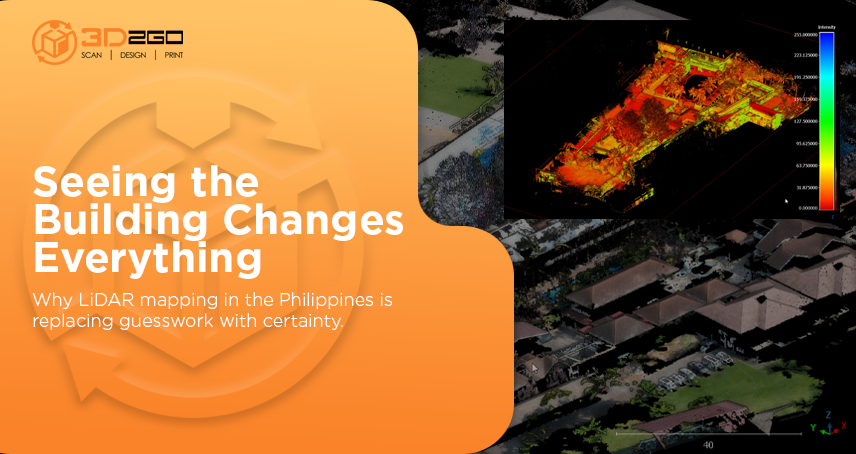
- Data Collection: Gather architectural plans, surveys, or satellite scans for a solid foundation.
- Digital Modeling: Use CAD and 3D software to create precise blueprints. Adjust proportions, simulate lighting, and test visibility before fabrication.
- Fabrication: Turn digital designs into reality with 3D printing, CNC machining, or laser cutting, using materials chosen for durability and realism.
- Finishing Touches: Paint, labels, and lighting complete the model, sometimes with interactive or AR elements for enhanced engagement.
Professional services, like 3D2GoPH’s custom scale models, specialize in translating these designs into tangible, eye-catching miniatures.
Trends and Market Insights
Miniature modeling is booming thanks to 3D printing and hybrid digital-physical workflows. The global scale model market was valued at roughly $1.2 billion in 2023 and is expected to grow at an 8% CAGR through 2030, driven by the architecture, engineering, and manufacturing sectors.
Applications Across Industries
Architecture & Urban Planning
Miniatures help planners and city officials understand how buildings, landscapes, and public spaces fit together. Seeing it in 3D reveals sightlines, shadows, and flow that plans alone can’t communicate.
Real Estate Development
Investors and clients grasp layouts instantly. A model conveys scale, context, and vision far better than renderings or photos.
Manufacturing & Product Design
From cars to complex machinery, miniatures help teams test ergonomics, assembly, and spatial relationships before tooling full-size parts.
Exhibitions & Marketing
Trade shows, museums, and tourism exhibits use miniatures to engage audiences. Visitors interact, explore, and share experiences, making the display both informative and memorable.
Why Miniatures Are More Than Models
Miniature scale models are small, but their impact is huge. They reduce costs, clarify communication, reveal risks early, and elevate presentations. They’re strategic assets, not just visual props.
If your project involves complex layouts, high stakes, or ambitious marketing, a well-crafted miniature model could be the difference between confusion and clarity. Bring your designs to life and impress every stakeholder. Contact 3D2GoPH today to start your custom scale model journey.