

How 3D Aerial View Rendering Services Can Elevate Your Philippine Resort Design
January 23, 2026
Why 3D Printing Replica Is the Smarter Way to Recreate Complex Objects
January 27, 2026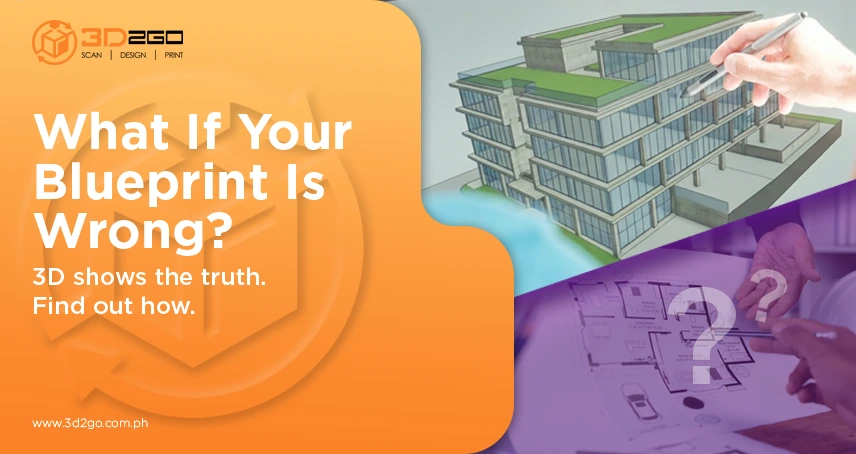
Before concrete is poured or steel is raised, every building starts as an idea. The challenge has always been turning that idea into something everyone, clients, engineers, and local stakeholders, can clearly understand. That’s where 3D architecture models come in.
More than just polished visuals, modern 3D modeling has become a practical design tool that helps architects think better, plan smarter, and communicate with confidence. In the Philippines, where urban development moves fast and design expectations keep rising, 3D architectural building models continue to play a critical role in shaping, approving, and ultimately building projects.
Why 3D Models Still Matter in a Digital-First World
At first glance, it’s easy to assume that digital plans alone are enough. After all, architects today have access to powerful software, precise measurements, and detailed technical drawings. But here’s the reality: not everyone reads plans the same way.
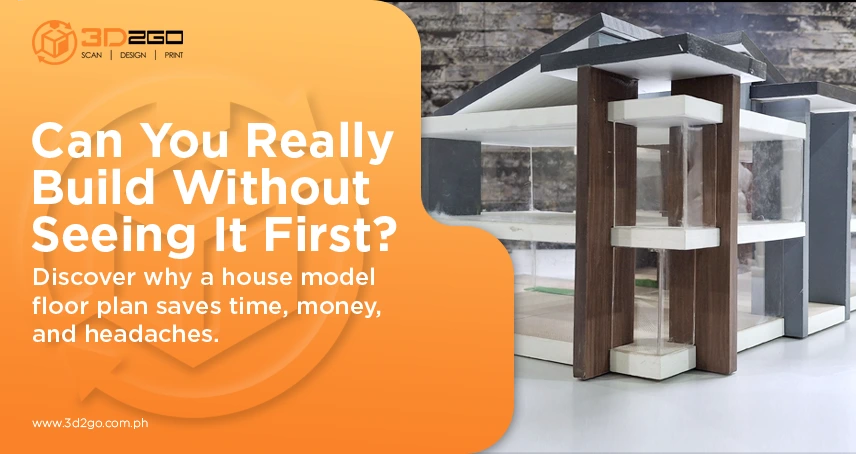
Flat drawings leave room for interpretation. A 3d architecture building model doesn’t.
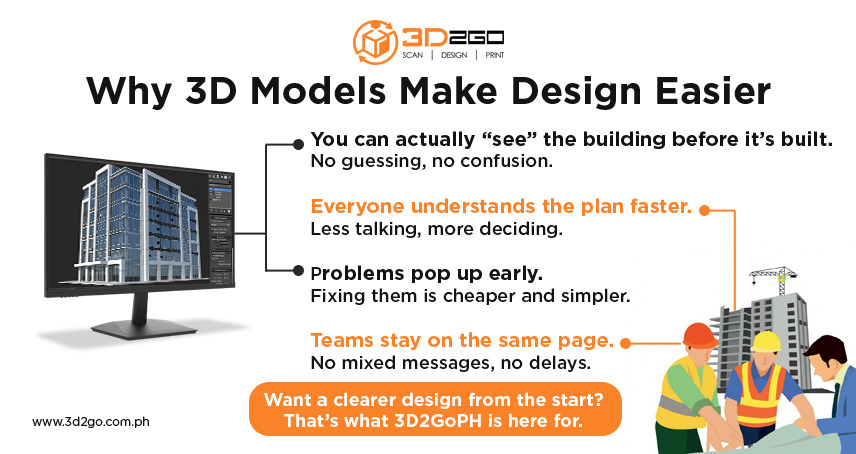
By showing depth, scale, and spatial relationships intuitively, 3D models eliminate guesswork. You’re no longer asking someone to imagine how a space might feel—you’re showing them. That clarity leads to better feedback early on, when changes are easier and far less expensive.
Clearer Communication Across Every Stakeholder
One of the biggest strengths of 3d architecture building models is how they level the playing field. Architects, engineers, developers, and even non-technical decision-makers can look at the same model and be on the same page instantly.
This shared understanding matters, especially in collaborative projects. Instead of long explanations or back-and-forth revisions, teams can point to the model and discuss real design elements, window placements, sightlines, and circulation paths, without confusion.
In many Philippine projects involving multiple consultants and regulatory reviews, that clarity alone can shave weeks off the planning phase.
Better Decisions, Earlier in the Process
Design changes are part of the job. What matters is when those changes happen.
With 3d architecture building models, potential issues surface early. Structural conflicts, awkward spatial layouts, or impractical design choices become obvious before construction starts. That early visibility allows teams to test alternatives quickly and move forward with confidence.
Clients also benefit. Seeing a realistic model helps them make decisions faster because they understand exactly what they’re approving. Fewer surprises later on means smoother timelines and fewer costly revisions.
Supporting Design, Marketing and Project Buy-In
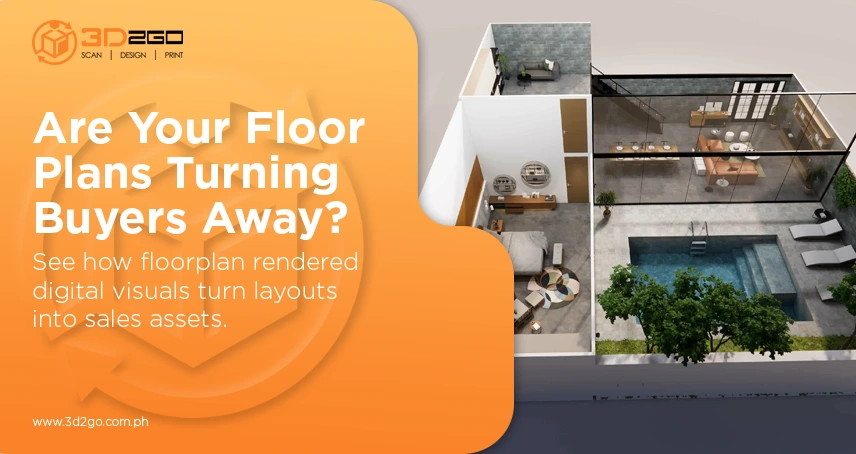
Beyond technical use, 3d architecture building models have become essential communication tools for presentations, proposals, and project marketing. Developers use them to showcase unbuilt spaces, helping investors and buyers visualize value before anything exists physically.
This isn’t just a creative preference; it’s an industry shift. For Philippine developers competing in dense urban markets, that visual edge can make all the difference.
Adapting to Philippine Design Challenges
Local architecture involves unique considerations, including limited space, environmental factors, zoning constraints, and mixed-use requirements. 3d architecture building models allow designers to explore these challenges realistically, not hypothetically.
Sun paths, building massing, and surrounding context can all be assessed visually. This leads to designs that are not only functional but also better aligned with how spaces will actually be used in real life.
In fast-developing cities, that foresight is invaluable.
Not Just a Trend, A Long-Term Design Tool
It’s tempting to think of 3D modeling as a presentation upgrade. In practice, it’s become a core part of the architectural workflow. As software improves and expectations grow, 3d architecture building models are now baked into how professionals design, review, and refine their work.
They help reduce risk, support better collaboration, and create smoother project journeys from concept to completion. That’s why they continue to hold their ground, even as new technologies emerge.
Why This Matters for Philippine Architects and Developers
For professionals working in the Philippines, using 3D architectural models isn’t about keeping up with trends. It’s about working smarter.
They help:
- Communicate ideas clearly
- Catch problems early
- Align teams faster
- Build trust with clients
- Make confident design decisions
In a field where clarity saves time and mistakes cost money, those benefits add up quickly.
Where 3D2GoPH Fits In
At the end of the day, 3d architecture building models are about clarity, clear ideas, clear communication, and clear direction. When done right, they don’t just show what a building will look like. They help teams understand how it will work, feel, and function in the real world.
That’s where experienced 3D modeling partners make a difference. If you’re looking to turn architectural concepts into precise, well-crafted visual models built for real-world use, working with specialists matters.
Connect with 3D2GoPH to explore how professionally built 3D architecture models can support your next project, from early planning to final presentation.