

The Modern Approach to Creating a Replacement for Broken Vehicle Part
March 24, 2026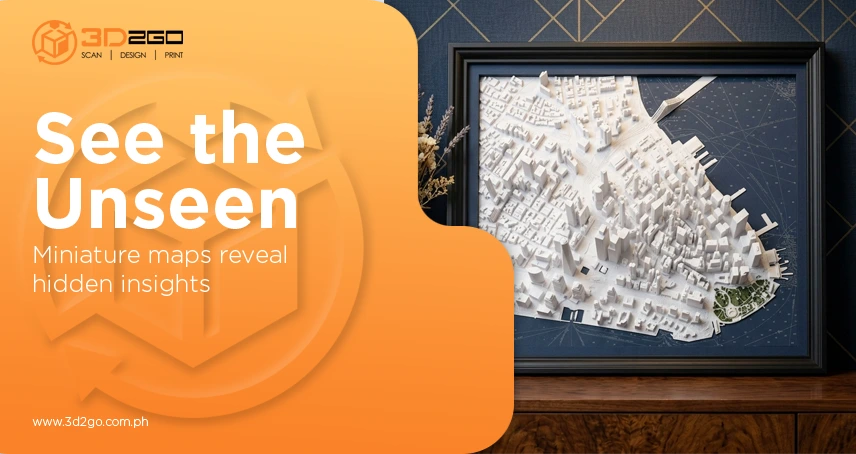
See how a miniature map model supports museums and tourism exhibits by clearly presenting locations, landmarks, and regional layouts.
Have you ever tried to picture a sprawling city, a historic battlefield, or a cultural site just from a flat map? It’s tricky. That’s where a digital scale map model makes all the difference. Miniature maps transform complex spaces into tangible, scaled visuals that visitors can immediately understand and interact with.
For museums and tourism exhibits, they don’t just inform; they immerse. Visitors can see, touch, and explore layouts, making the story behind every landmark clear and memorable. Small-scale, yes, but mighty in impact.
Why Miniature Map Models Matter
Miniature maps aren’t just pretty props. They’re a bridge between curiosity and understanding.
- People understand 3D spaces better than 2D diagrams.
- They make exhibits interactive and engaging.
- They turn abstract geography or history into something visitors can experience.
Museums know this works. Attendance figures show people still flock to physical exhibits: major museums like the Louvre and the British Museum draw millions of visitors each year, proving visitors crave immersive experiences.
How Miniature Maps Enhance Exhibits
1. Quick Spatial Understanding
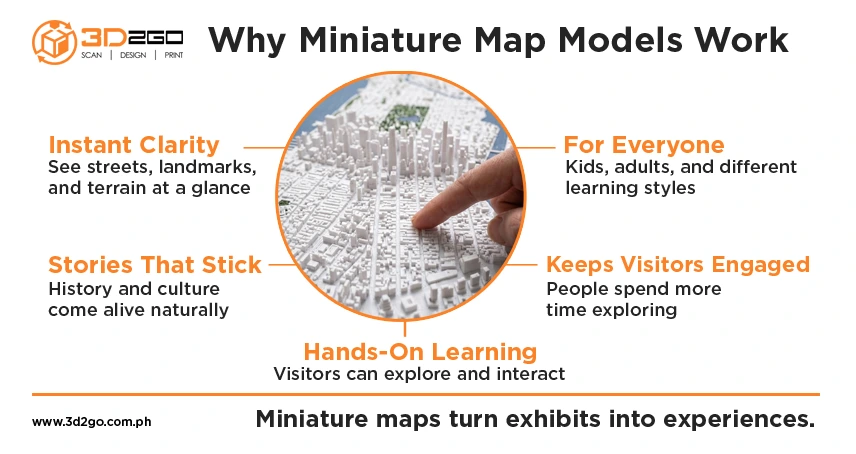
Flat maps require interpretation. Miniature models show it all at once: streets, hills, waterways, city walls. Visitors get the layout immediately, no guesswork.
2. Storytelling Made Simple
A miniature map can illustrate centuries of history, trade routes, or cultural shifts without walls of text. People see how it all connects, which makes stories stick.
3. Interactive Learning
Kids point, adults discuss, and tour guides highlight key spots. A tactile, scaled model encourages questions and sparks curiosity, turning observation into active learning.
Creating a Miniature Map Model
Building a miniature map blends precision with artistry:
- Collect Data: GIS files, surveys, and architectural plans form the foundation.
- Digital Modeling: Transform raw data into a detailed 3D representation. Decisions on scale, emphasis, and flow happen here.
- Fabrication: 3D printing, laser cutting, or CNC machining turns the model into a physical piece. Material choice affects durability and texture.
- Integration: Add lighting, labels, AR overlays, or audio for immersive interaction.
Every step ensures the model isn’t just accurate, it’s engaging and memorable.
Applications in Museums
- Historical Exhibits: Ancient cities, battlefields, and settlements come to life.
- Cultural Displays: Trade routes, festivals, and migrations are instantly clear.
- Natural History & Geography: Mountains, rivers, and ecosystems become visual stories.
Visitors instantly understand context, which helps exhibits leave a lasting impression.
Applications in Tourism Exhibits
- City Guides: Miniature maps show landmarks, neighborhoods, and walkable routes.
- Heritage Sites: Visitors can visualize the entire site before physically exploring it.
- Itinerary Planning: Interactive elements guide tourists to must-see spots efficiently.
Miniature maps aren’t just informative, they’re shareable. Visitors often photograph or post about your exhibit, giving it organic promotion.
Trends and Innovations
Miniature maps are evolving beyond static models:
- Augmented Reality: Layer timelines, historical reconstructions, or animations onto the physical map.
- Interactive Lighting & Sensors: Highlight zones as visitors approach.
- Hybrid Experiences: Combine tactile models with digital screens and audio guides for multiple learning pathways.
These innovations make exhibits dynamic, engaging, and highly memorable.
Design Tips for Success
- Right Scale: Balance size with detail; too small, you lose info; too big, you overwhelm.
- Accessibility: Ensure everyone can view or touch the map comfortably.
- Placement: Position at exhibit entry points, pause spots, or focal areas.
- Narrative Flow: A map should introduce or guide, not interrupt the story.
Why Miniature Maps Still Work
Miniature map models turn complexity into clarity. They make history tangible, geography understandable, and exhibits unforgettable. Museums and tourism centers achieve higher engagement, better storytelling, and more informed visitors with a single, well-crafted model.
If you want your exhibit to wow visitors while simplifying information, start with a professional miniature map. Connect with the experts and bring your spaces to life: Contact 3D2GoPH today.