
Top 10 Challenges Students Face in Hardware Prototyping for Thesis Projects
March 31, 2026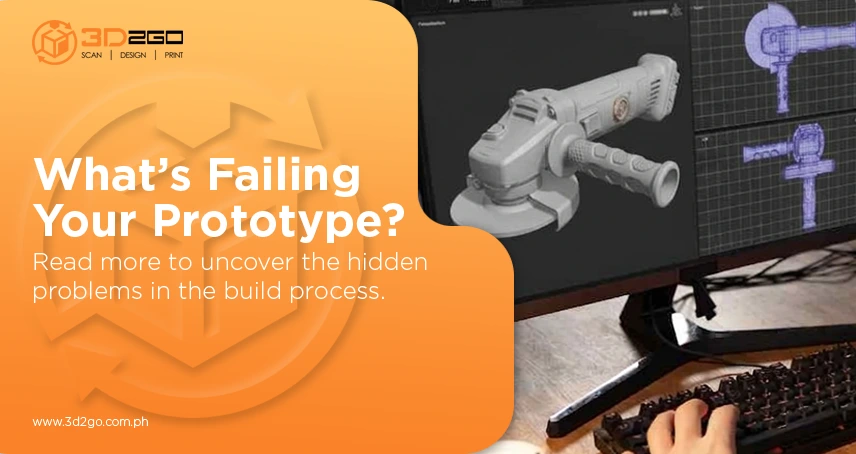
You can describe them, sketch them, even present slides, but until people see them clearly, they don’t fully land. That’s usually where things stall.
This is exactly where custom figure modeling changes the game. Instead of guessing how something might look or function, you’re working with something concrete, something you can rotate, refine, and eventually build.
A skilled 3d modeler or figure artist doesn’t just “draw in 3D.” They translate intent into structure. Every curve, proportion, and detail becomes part of a file that can move seamlessly into production, whether that’s for product development, custom parts manufacturing, or a one-off prototype that needs to work the first time.
It’s Not Just Modeling, It’s Decision-Making in Disguise
At a glance, modeling can look like a creative task. And sure, there’s artistry involved.
But underneath that, it’s a series of decisions.
How thick should this part be? Will it hold under pressure? Does this dimension align with how it’ll be manufactured later?
Those questions don’t get answered in the factory, they get solved during modeling.
That’s why 3D modelling files carry so much weight. They don’t just represent a design; they define whether it’s buildable, scalable, or even viable in the first place.
Get the model right, and everything downstream gets easier. Get it wrong, and you’re stuck fixing problems that shouldn’t exist.
Where Ideas Start Taking Shape
Most projects don’t begin with polished plans. They start rough. A sketch. A reference. Sometimes just a conversation.
The role of a 3d modeler figure artist is to take that ambiguity and give it structure.
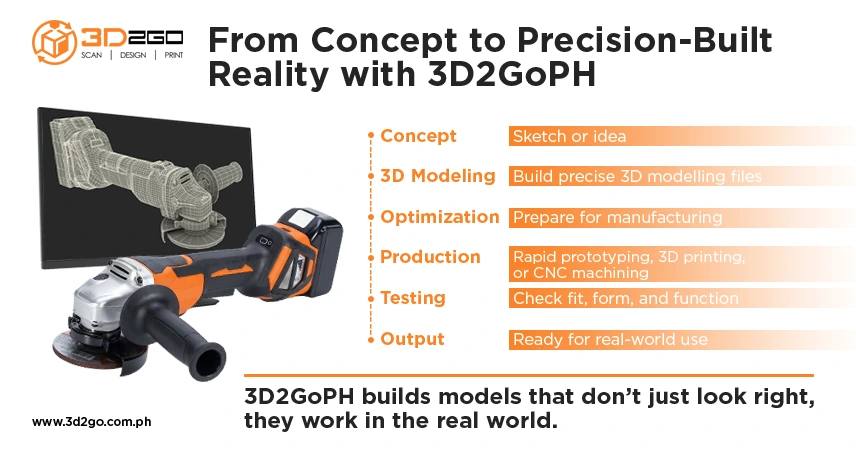
First comes the base form, blocking out the shape, proportions, and layout. Nothing fancy yet, just getting the foundation right.
Then comes refinement. Details are added, surfaces are cleaned, and the model starts to feel real. This is where you begin to see whether the idea actually holds up.
Finally, the model is prepared for production. And this part matters more than most people realize. A model that looks great on screen can still fail if it’s not optimized for rapid prototyping, printing, or machining.
Good modeling doesn’t stop at “looks right.” It ends at “works in real life.”
Why Custom Parts Manufacturing Always Starts Here
There’s a common misconception that manufacturing begins when machines start running.
In reality, it begins long before that, with the model.
In custom parts manufacturing, there’s no room for guesswork. You’re not pulling from a catalog. You’re building something specific, often from scratch.
That means the 3d modeler figure becomes the blueprint for everything that follows.
If the model is clean, accurate, and production-ready, the process moves smoothly. If not, you’re looking at failed prints, wasted materials, and delays that add up quickly.
This is why businesses that rely on custom parts invest heavily in getting the modeling stage right.
The Technology That Closes the Gap Between Digital and Physical
Once the model is ready, the next question is simple: how do you bring it to life?
3D Printing for Speed
With 3D printing services Philippines, you can move from file to physical object in a fraction of the time traditional methods require.
This is where rapid prototyping shines. You’re not locked into a single version—you can test, adjust, and improve quickly.
3D Scanning for Accuracy
Not everything starts from scratch. Sometimes, you need to replicate or improve an existing object.
3D scanning captures real-world geometry and turns it into a workable model, making it ideal for reverse engineering or modifications.
Why Product Development Depends on Modeling
In product development, timing and accuracy aren’t just nice to have; they’re everything.
The earlier you spot a flaw, the cheaper it is to fix.
That’s why modeling plays such a critical role. It gives teams a clear view of what they’re building before committing resources to full production.
Instead of debating abstract ideas, everyone’s looking at the same thing. Decisions become faster. Revisions become fewer.
And most importantly, the final product is stronger because the problems were solved early.
Where You’ll See 3D Modeler Figures in Action
The applications are broader than most people expect.
In engineering, models are used to create functional parts and test mechanical performance.
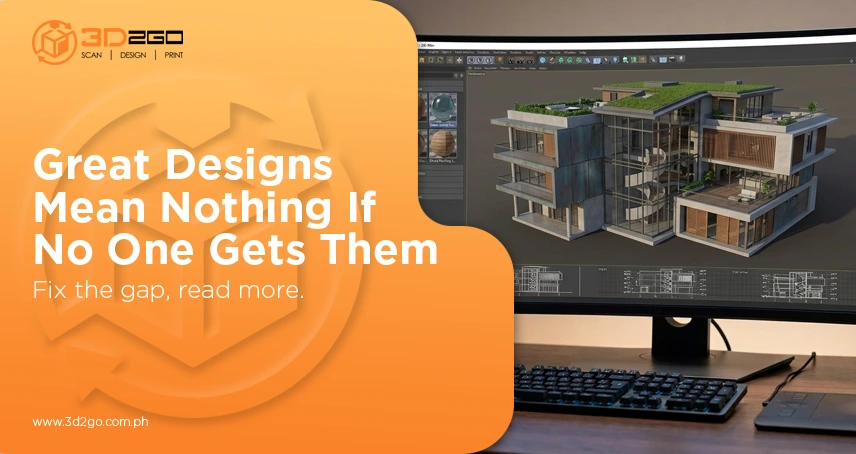
In architecture, they help visualize spaces in a way floor plans never could. You can actually feel how a space will work.
In creative industries, they’re used for custom figures, collectibles, and display models where detail matters just as much as accuracy.
Different industries, same principle: better models lead to better outcomes.
Why This Space Keeps Growing
There’s a reason more businesses are investing in modeling and prototyping.
According to Statista, the global 3D printing market continues to grow steadily, driven by the need for faster, more flexible production methods.
That growth isn’t just about technology; it’s about how companies operate.
Speed matters more. Accuracy matters more. And the ability to adapt quickly has become a competitive advantage.
That’s exactly what modern modeling and fabrication workflows deliver.
Why Working with Professionals Makes a Difference
You can try to piece things together on your own. Plenty of teams do.
But there’s a clear gap between “getting something done” and getting it done right.
A professional 3d modeler figure artist understands how design decisions affect production. They know how to prepare files properly, avoid common pitfalls, and align the model with the chosen manufacturing method.
That kind of expertise doesn’t just save time; it prevents expensive mistakes.
Turn Concepts into Models That Actually Work
At the end of the day, ideas are only as strong as their execution.
A well-built model doesn’t just show what something looks like; it proves that it can exist, function, and scale.
Whether you’re working on product development, exploring custom parts manufacturing, or testing a concept through rapid prototyping, everything starts with getting the model right.
If you’re ready to move from concept to something tangible, you can start here with 3D2GoPH.