

Why Restaurants Are Investing More in Custom Fake Food Display
March 5, 2026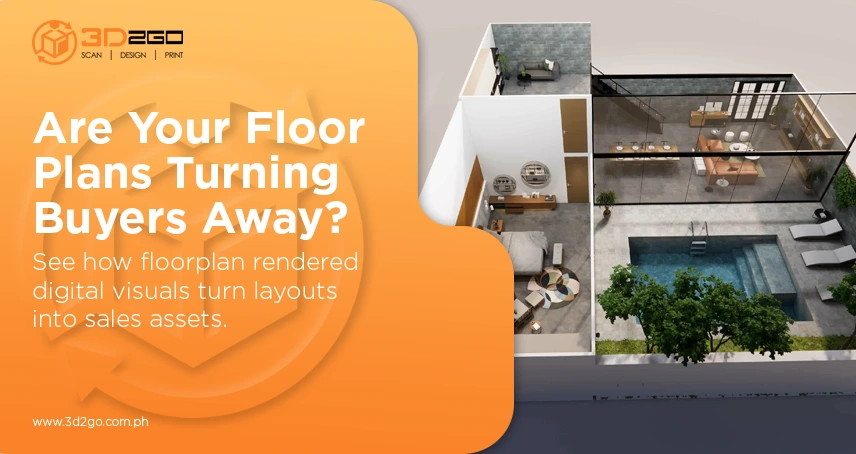
Ever looked at a floor plan and thought, “I still can’t picture the space.”
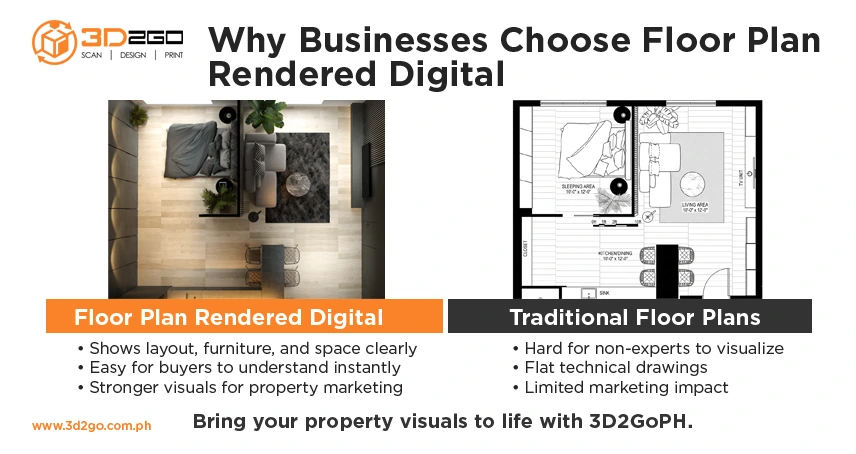
That’s a common problem with traditional architectural drawings. Blueprints show measurements, walls, and layout details, but they often leave too much to the imagination. For clients, investors, or property buyers who aren’t trained to read technical drawings, understanding the actual space can feel like solving a puzzle.
This is where 3D floorplan rendering changes the game. Instead of relying on imagination, businesses can transform simple layouts into immersive visuals that reveal how a space truly looks and feels. Companies can turn flat plans into realistic digital environments.
That transformation is known as floorplan rendered digital visualization. It converts 2D layouts into visually rich 3D representations that show furniture placement, room proportions, lighting, and materials. Instead of reading a drawing, viewers experience the space almost as if they were standing inside it.
For architects, developers, and real estate marketers, this visual upgrade doesn’t just improve presentations. It makes properties easier to understand, easier to market, and far more compelling to buyers.
What Floorplan Rendered Digital Actually Means
At its core, floorplan rendered digital refers to the process of transforming a standard 2D architectural plan into a realistic 3D visual representation.
Instead of lines and symbols on paper, the layout becomes a digital environment in which viewers can clearly see the space’s structure. Walls gain depth. Rooms show furniture arrangements. Textures and lighting add realism.
Think of it as the difference between reading a map and seeing a satellite image.
A rendered floor plan allows viewers to instantly understand how a property is organized. Living rooms connect naturally to kitchens. Hallways show flow between spaces. Bedrooms reveal how furniture might fit.
This level of clarity removes guesswork. Even someone with no architectural background can immediately grasp the design.
Why Visual Property Presentation Matters More Than Ever
Real estate is driven by visuals. Before buyers schedule visits or request more information, they first evaluate properties based on online images.
That’s why static blueprints often fall short. They may contain the right information, but they rarely capture attention.
Rendered floor plans tell a much stronger story. They show how a space functions in real life. They reveal proportions, movement, and layout in a way that’s easy to absorb.
The impact of visuals on decision-making is well-documented. According to a study, 89% of home buyers say photos are the most useful feature when searching for properties online.
While the statistic focuses on photos, the takeaway is clear: buyers respond strongly to visuals. The more clearly they can see a space, the easier it becomes to imagine living in it.
That’s exactly what rendered floor plans accomplish.
The Business Advantage Behind Floorplan Rendered Digital
Beyond aesthetics, digital floor plan rendering delivers measurable business value.
Faster Design Approvals
When clients struggle to understand blueprints, decision-making slows down. Rendered visuals solve this problem by making layouts immediately clear.
Clients no longer have to interpret technical drawings. They simply see the design as it will appear in reality.
Stronger Marketing Impact
Rendered floor plans work exceptionally well in marketing materials. They bring life to brochures, websites, property listings, and investor presentations.
A simple blueprint informs.
A rendered floor plan sells the experience.
Reduced Costly Design Changes
Seeing a space visually often reveals design flaws early. Awkward layouts, wasted space, or poor furniture placement become obvious.
Identifying these issues before construction saves time, money, and frustration.
Better Collaboration Across Teams
Large property projects involve architects, developers, marketers, and investors. Rendered floor plans provide a shared visual reference that everyone understands.
This helps teams stay aligned throughout the project.
Where Floorplan Rendered Digital Creates the Biggest Impact
This technology is widely used across several industries that rely heavily on visual communication.
Real Estate Development
Developers often market properties long before construction is completed. Rendered floor plans allow potential buyers to understand unit layouts early in the sales cycle.
This helps generate interest and accelerate pre-selling.
Architecture and Design
Architects frequently use rendered plans when presenting concepts to clients. Instead of explaining every detail verbally, they can show the design visually.
This improves communication and reduces revisions.
Interior Design
Interior designers rely on digital floor plans to demonstrate furniture arrangements, color palettes, and spatial flow.
Clients can see how design decisions will affect the space’s overall look.
Commercial Property Marketing
Office spaces, retail stores, and mixed-use developments also benefit from rendered layouts. Investors and tenants gain a clearer understanding of how the property functions.
How Floorplan Rendered Digital Visuals Are Created
Turning a blueprint into a realistic digital floor plan involves several stages of design and visualization.
3D Modeling
The process begins by converting the architectural layout into a 3D model. Walls, windows, and structural elements are recreated digitally.
Interior Layout Visualization
Furniture, lighting, textures, and materials are added to the model. This step gives rooms their realistic appearance.
Rendering
Rendering software generates high-quality visuals based on lighting conditions, shadows, and materials. The result is a polished image that looks like a real interior.
Final Presentation
The completed visual can be used across marketing channels, presentations, and digital property listings.
When done professionally, these visuals become a powerful storytelling tool.
Why the Demand for Digital Floorplan Rendering Keeps Growing
Several industry trends are accelerating the adoption of floorplan rendered digital solutions.
Online Property Searches Are Increasing
Buyers now spend more time evaluating properties online before visiting them. Strong visuals help listings stand out in crowded marketplaces.
Digital Marketing Is Now Standard
Developers rely heavily on digital advertising and online presentations. Rendered visuals perform better in these environments than technical drawings.
Buyers Expect Transparency
People want to understand a property before making a commitment. Visual floor plans reduce uncertainty and help buyers make confident decisions.
Faster Project Marketing
Developers can begin marketing properties earlier in the construction timeline when they have strong visualization assets.
Turn Your Floor Plans Into Powerful Visual Sales Tools
Blueprints are important for construction, but they’re rarely enough for marketing.
A floorplan rendered digital approach transforms technical drawings into clear, engaging visuals that help people understand a space instantly. Instead of guessing what a property might look like, clients can see the layout, imagine the experience, and make faster decisions.
For developers, architects, and real estate professionals, that shift can dramatically improve presentations and marketing results.
If you’re ready to elevate your project visuals, connect with the specialists at 3D2GoPH and explore how professional rendering can bring your designs to life.