

The Rise of Custom Figure Models in the Philippines
February 11, 2026
How Rapid Prototyping Can Strengthen Your Thesis Project
February 13, 2026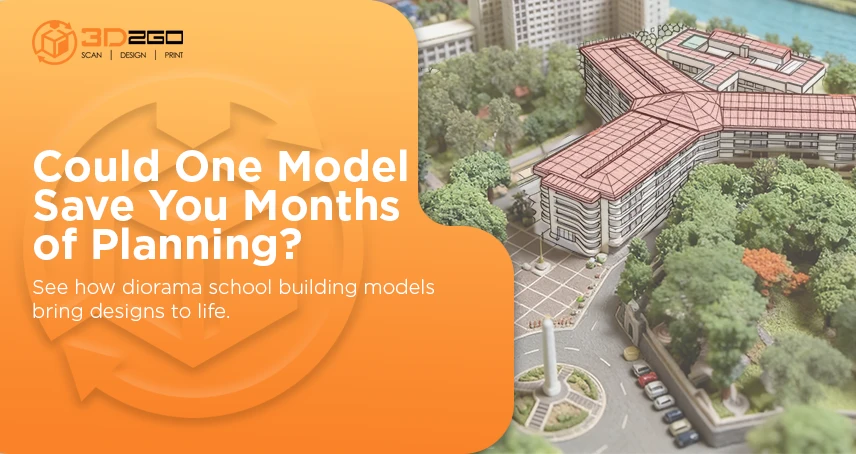
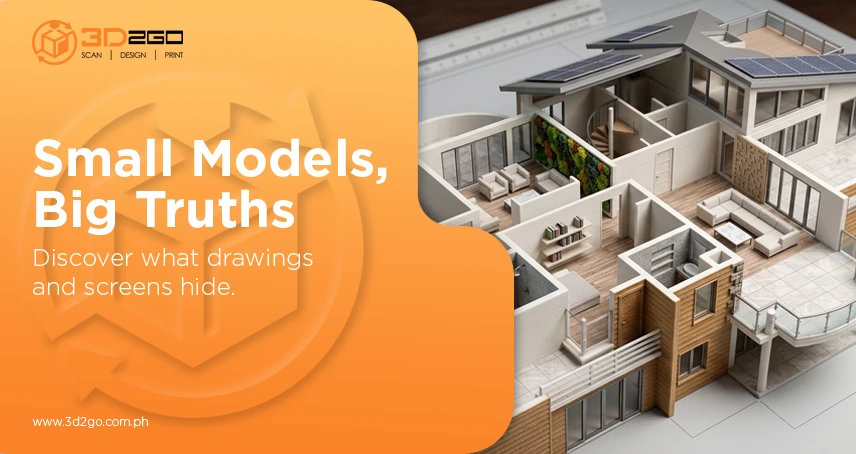
Plans look impressive on paper. Renderings can be stunning on screen. But when you’re presenting a new campus or expansion, nothing quite matches the clarity of something you can actually see and point to. That’s where lidar for architectural school diorama solutions comes into play. By capturing precise site data and translating it into a physical scale model, schools and architects can turn complex ideas into something instantly understandable.
A well-crafted diorama of a school building doesn’t just represent structures; it captures the vision. It provides the framework for future classrooms, walkways, green spaces, and gathering areas long before construction begins.
Why Physical Models Still Hold Their Ground
We’re surrounded by digital tools. 3D walkthroughs, VR simulations, flyovers, you name it. Yet, when decision-makers gather around a table, a physical diorama school building often becomes the center of attention.
There’s a reason for that. A model removes the barrier of technical interpretation. You don’t need to read blueprints or imagine scale. You see how buildings sit in relation to one another. You notice where open space breathes. You understand the flow almost instinctively.
Deloitte, in its construction and infrastructure insights, notes that improved visualization tools significantly reduce project misunderstandings and costly revisions. Physical models complement digital planning by making design intent clearer to non-technical stakeholders. When everyone sees the same thing, conversations become more productive.
What Makes a Diorama School Building Truly Effective?
Not every model delivers impact. An effective diorama school building balances realism with clarity.
It should reflect:
- Accurate scale and proportion
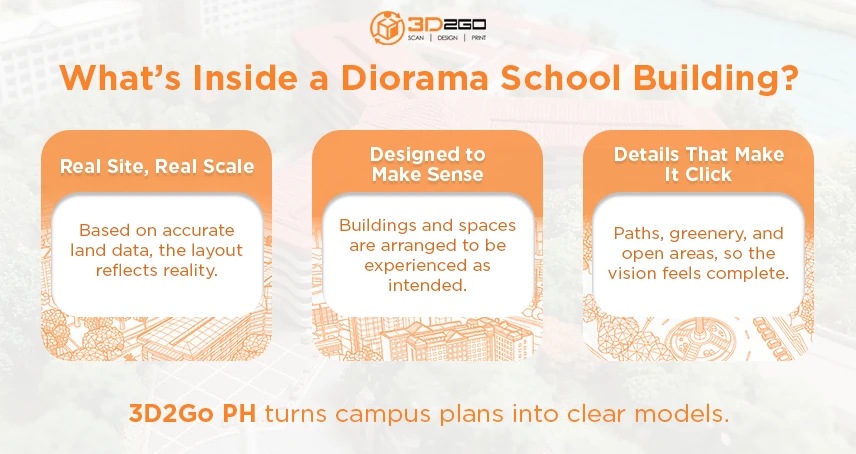
- Real terrain and surrounding context
- Clear distinction between academic, administrative, and recreational zones
- Landscaping details that show how the campus feels, not just how it functions
- Durable craftsmanship suitable for long-term display
When done right, the model doesn’t overwhelm. It guides the eye. It invites discussion.
From Real Campus Data to Scaled Reality
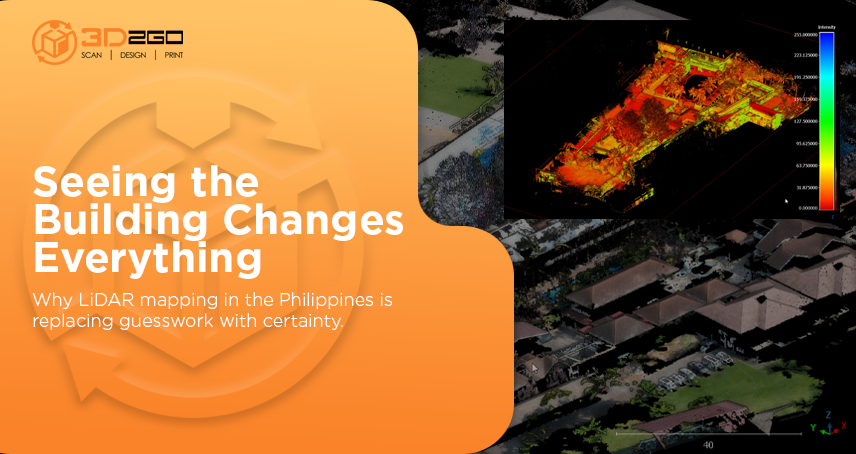
The process often starts with site scanning. Using LiDAR technology, teams gather highly accurate measurements of existing structures and land contours. That data becomes the backbone of the school building diorama, ensuring the model reflects reality rather than guesswork.
Once the digital framework is complete, fabrication begins. Precision tools, such as 3D printers and CNC machines, produce miniature buildings with clean edges and consistent scale. Details like windows, pathways, and greenery are carefully added to create depth and realism.
It’s meticulous work. But the result communicates far more effectively than flat drawings ever could.
Why Schools Are Investing in Diorama School Building Models
Campus development is a serious commitment. Whether it’s a new wing, a full expansion, or a master plan overhaul, institutions need stakeholders aligned.
A diorama school building simplifies that alignment.
For school boards, it removes ambiguity. For donors, it builds an emotional connection. For architects, it strengthens presentations. When people see a scaled campus in front of them, the project shifts from an abstract proposal to something that feels achievable.
It’s also a powerful teaching tool. Architecture and engineering students benefit from studying a physical diorama of a school building, gaining spatial awareness that’s difficult to develop on screens alone.
The Philippine Context
Across the Philippines, educational institutions are expanding to meet growing demand. Urban campuses are optimizing limited land. Provincial schools are modernizing facilities. With competition increasing, presentation quality matters more than ever.
A thoughtfully designed diorama school building signals preparation and professionalism. It communicates that planning wasn’t rushed, that every structure and pathway was carefully considered.
In accreditation meetings, open houses, and planning consultations, these models often become the focal point of discussion. They make long-term goals easier to explain and easier to support.
More Than Display: A Planning Advantage
Beyond presentations, a diorama school building offers practical planning benefits.
When viewed in three dimensions, campus planners can better evaluate:
- Pedestrian and vehicle movement
- Emergency access routes
- Outdoor gathering spaces
- Proximity between departments
Seeing the layout at scale sometimes reveals insights that don’t stand out on digital plans. It’s a subtle advantage, but one that can save time and reduce revisions later on.
Choosing the Right Partner for Campus Models
Creating a high-quality diorama school building requires more than fabrication skills. It demands architectural understanding, precise measurement, and attention to detail.
That’s where experience matters.
3D2GoPH integrates LiDAR data, 3D modeling expertise, and precision fabrication into one seamless workflow. The result isn’t just a miniature, it’s a reliable visual tool that reflects real campus conditions and future potential.
Their approach focuses on clarity and craftsmanship rather than unnecessary complexity. Every diorama school building is built with a purpose: to communicate effectively and stand the test of time.
Turning Vision Into Something You Can See
A campus expansion isn’t just about adding buildings. It’s about shaping how students learn, gather, and grow. Presenting that vision clearly can make all the difference in gaining support.
A well-executed diorama school building transforms plans into perspective. It brings ideas down to eye level. It helps people connect with what’s coming next.
If your institution is planning a development and needs a clearer way to present it, 3D2GoPH can help translate that vision into a precise, tangible model.
Because when people can see the future clearly, they’re far more likely to believe in it.