

How 3D Modelling Factory Machines are Used for Efficient Factory Design
February 5, 2026
Why Custom Made Trophies Are Replacing Traditional Awards in the Philippines
February 6, 2026
There’s a big difference between knowing an area and truly understanding it. Flat maps can show boundaries and basic layouts, but they rarely tell the whole story. Slopes disappear. Elevation gets flattened. Small details that matter in real life often go unnoticed.
That’s where a digital map using LiDAR changes everything.
By capturing terrain and structures in three dimensions, modern 3d map services give planners, developers, and decision-makers a clearer picture of what’s actually on the ground. And once you see that level of detail, it’s hard to go back to guessing.
Why Flat Maps No Longer Cut It
Traditional maps were designed for simplicity, not accuracy. They work fine for basic navigation, but when projects involve land development, infrastructure, or risk assessment, simplicity becomes a liability.
With 3d map services, elevation, depth, and spatial relationships are no longer assumptions. You can see how land rises and falls, how structures sit within their surroundings, and how different elements interact. This kind of visibility helps teams ask better questions early on, rather than fixing problems later.
What Makes LiDAR-Based Mapping Different
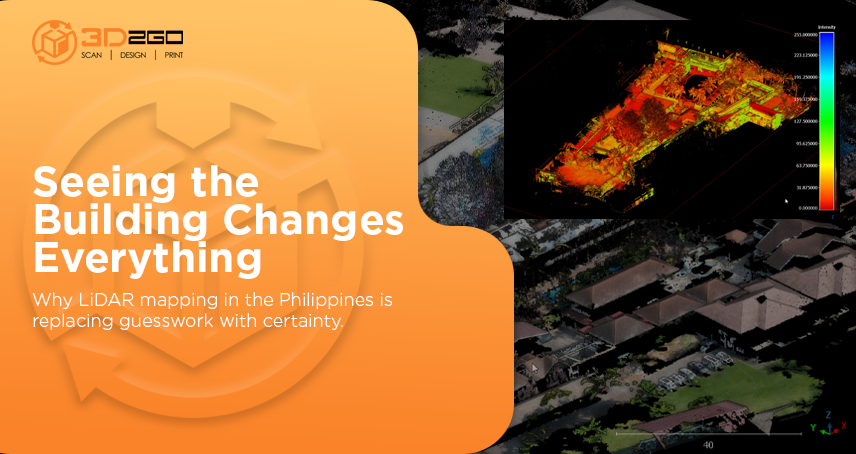
LiDAR technology uses laser pulses to measure distances with extreme precision. Millions of data points are collected and transformed into a detailed 3D model that reflects real-world conditions.
Unlike traditional surveying or aerial images, LiDAR doesn’t rely on interpretation alone. It captures measurable, verifiable data. That’s why 3d map services powered by LiDAR are trusted for projects where accuracy matters most.
Seeing Terrain the Way It Actually Exists
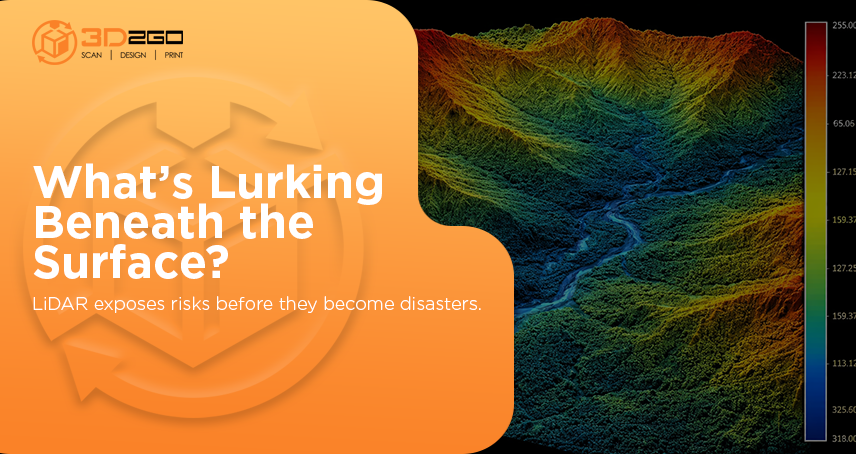
One of the strongest advantages of 3d map services is how they present terrain. Slopes, depressions, and elevation changes are immediately visible instead of hidden behind contour lines.
For industries dealing with land use, flood risk, or infrastructure placement, this clarity is critical. Instead of discovering issues during construction, teams can evaluate risks before committing time and resources.
Better Planning Starts with Better Visualization
Planning meetings often stalls because not everyone sees the same thing. Technical drawings make sense to specialists, but they can confuse stakeholders who don’t work with plans every day.
This is where 3d map services quietly improve collaboration. When teams look at the same 3D model, conversations change. Questions become more specific. Decisions come faster. Alignment improves without endless explanations.
Where Sales, Strategy, and Mapping Intersect
High-quality mapping supports technical planning. It also plays a role in how projects are presented, approved, and sold.
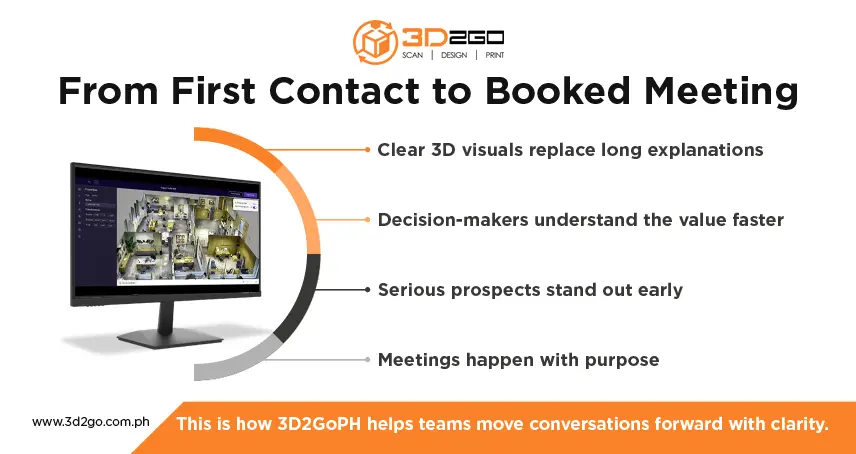
Clear visuals help businesses communicate value faster. Whether pitching a development, securing approvals, or aligning partners, 3d map services help reduce friction by making complex information easy to grasp.
Supporting Smarter Risk and Environmental Analysis
Environmental planning depends on understanding how land behaves, not just how it looks on paper. 3d map services allow teams to analyze drainage paths, elevation changes, and terrain stability in ways flat maps simply can’t.
This is especially valuable for flood modeling, zoning studies, and infrastructure planning. Risks are easier to spot, and mitigation strategies become more practical and cost-effective.
Long-Term Value Beyond the First Project
A well-built 3D map isn’t a one-time asset. It becomes a reference point that teams can reuse, update, and refine over time.
Organizations rely on 3d map services to:
- Track changes in land and structures
- Support future expansion planning
- Maintain accurate spatial records
- Improve coordination across departments
Instead of rebuilding data from scratch, teams build smarter with each new project.
Why Accuracy Leads to Better Decisions
Every project carries risk. The goal isn’t to eliminate uncertainty completely, but to reduce it as much as possible. 3d map services help do exactly that by replacing assumptions with measurable data.
When teams see the full picture early, decisions feel less risky. Budgets are easier to protect. Timelines become more realistic. And confidence improves across the board.
Choosing the Right Mapping Partner Matters
Not all mapping outputs deliver the same value. The real difference lies in how data is captured, processed, and translated into usable insights.
Working with an experienced provider ensures that 3d map services don’t just look impressive, but actually support real-world decisions. That practical focus is what turns data into results.
Seeing What Others Miss
As industries grow more data-driven, three-dimensional mapping is becoming essential rather than optional. Flat visuals can no longer keep up with the complexity of modern projects.
With 3d map services, teams don’t just see land. They understand it.
Ready to See the Full Picture?
Clear visibility leads to smarter planning, stronger presentations, and better outcomes. If your projects depend on accurate terrain and structural insight, now is the time to move beyond flat maps.
Start a conversation with 3D2GoPH and see how LiDAR-powered mapping can support your next move.
When clarity comes first, better decisions naturally follow.